Türkçe yazı için buraya tıklayın.
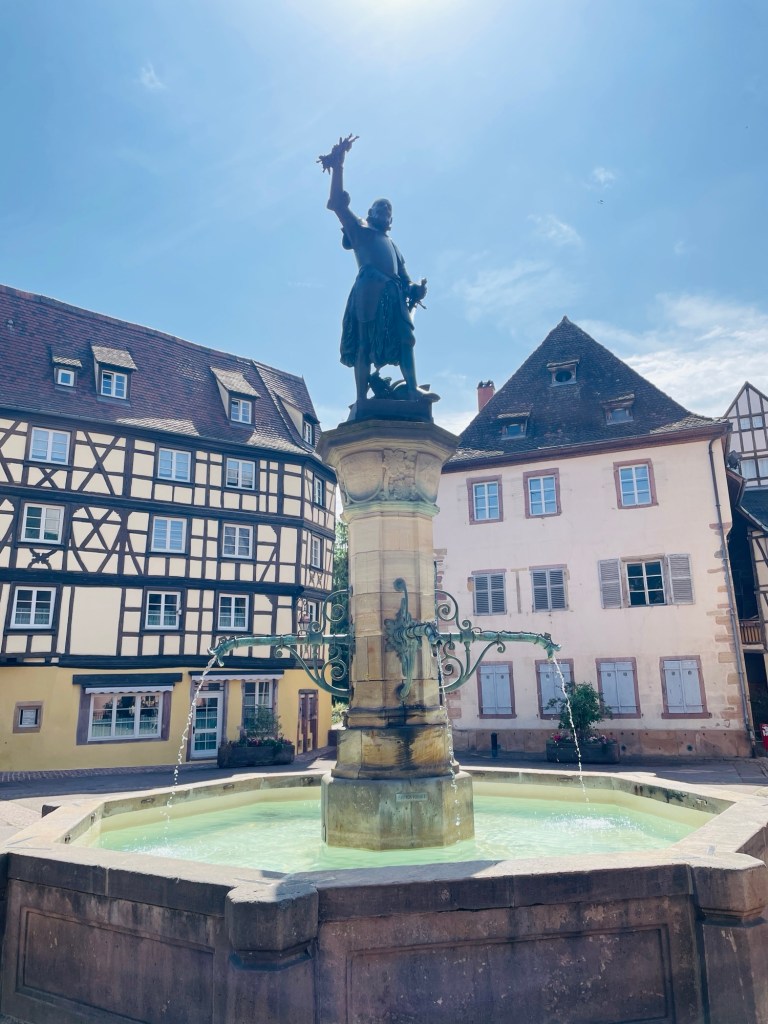
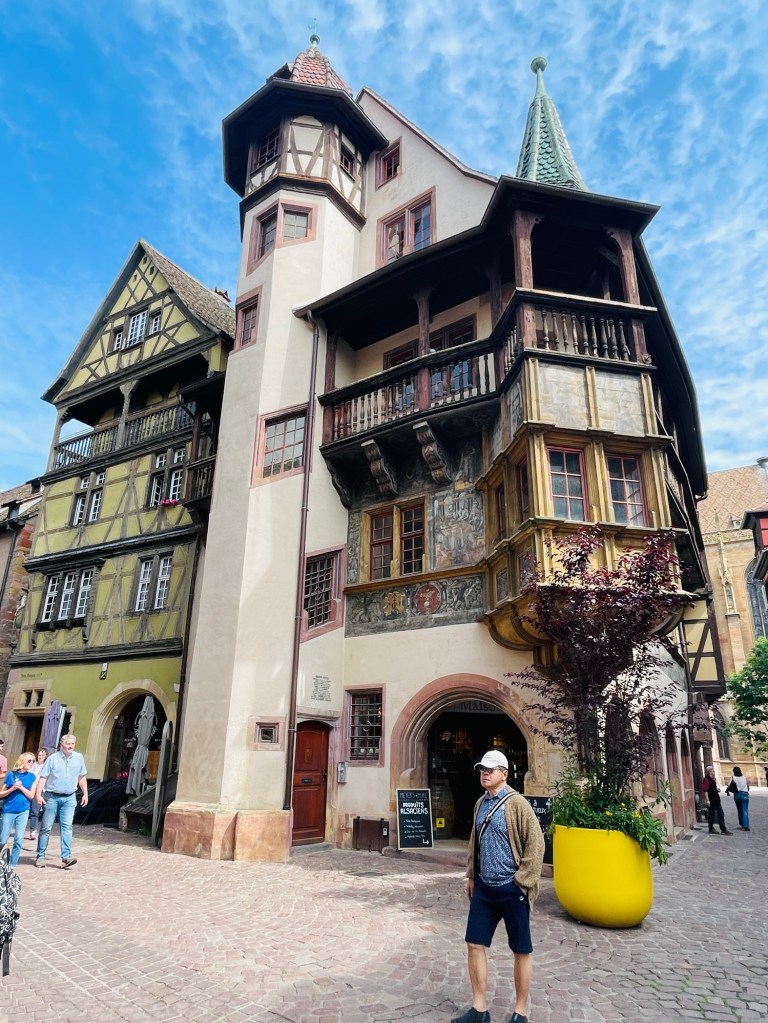
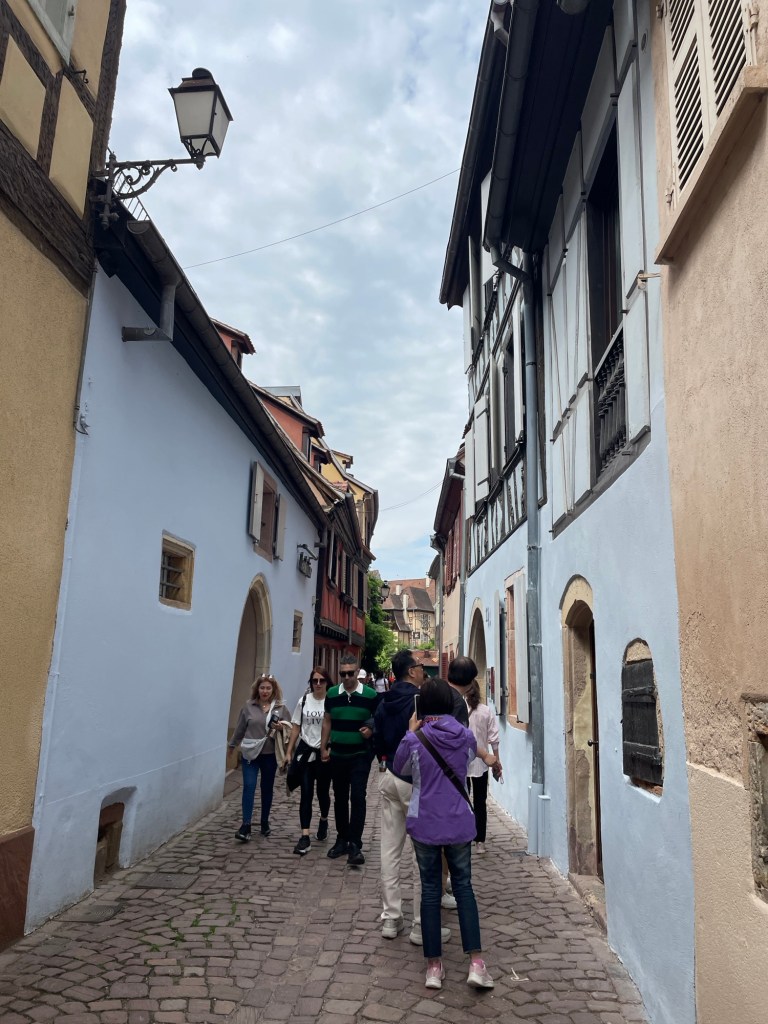
I guess everyone but me has been to Colmar by now 🙂 Colmar, which is frequented by European tourists as well as tourists from the Far East, is located in the heart of the Alsace region of France, known for its wine production. With its cobblestone streets and traditional half-timbered houses, this place is like a postcard. Colmar is known for its Christmas markets in winter as well as summer. The city was so fascinating that when I returned home I realized that I had taken very few photos, I just walked through the streets.


The region’s sunny, dry climate and rich soil produce some of the world’s finest white wines. Riesling, Gewürztraminer and Pinot Gris are some of them. If you have time, you can taste in the wine shops in Colmar and buy a wine that suits your taste.
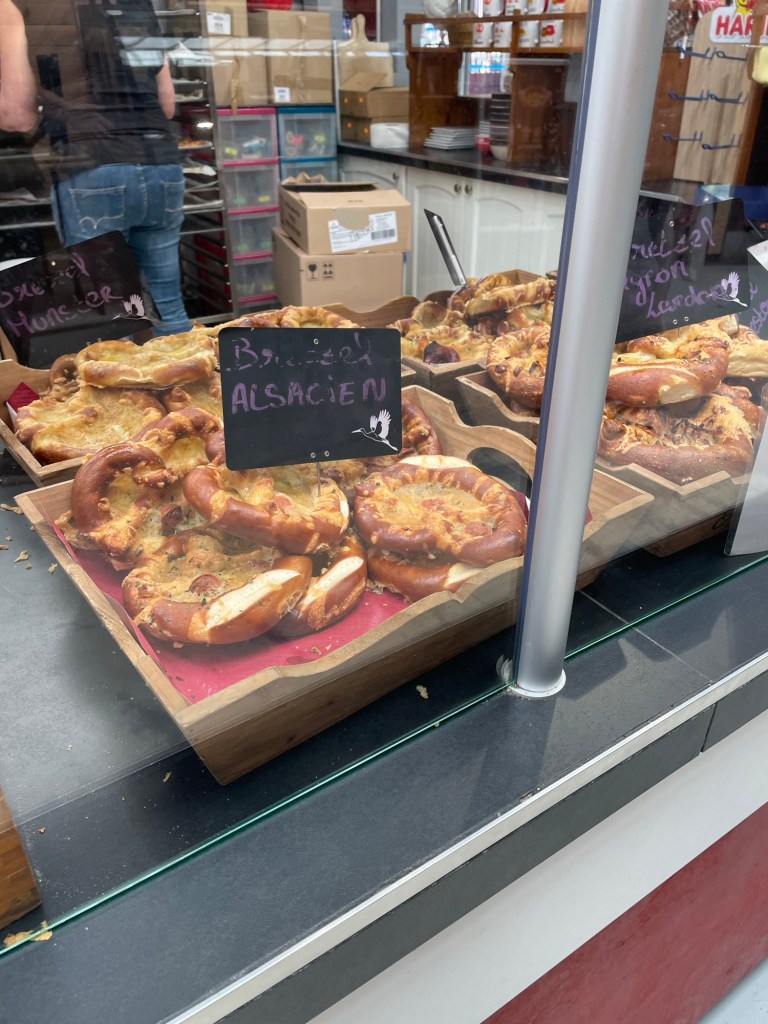
The region, which has historically oscillated between French and German control, shows the influence of these two cultures in architecture and food. For example, Bretzel, which we know from Germany, is served with cheese in Alsace.

What to see in Colmar
You can explore the whole of Colmar on foot. If you want a different experience, you can take the electric trains that take tourists around the city and the boats on the canal (25 minutes for 8 EUR). One day will be enough to explore the streets of Colmar. Here is the Colmar Travel Guide:
Unterlinden Museum: Housed in a former Dominican monastery, this museum has an impressive collection of medieval and Renaissance art, according to many people. I skipped the museum this time as I had seen similar works in many exhibitions before. The entrance ticket to the museum is 13 EUR.
Hansi Village and Museum: The museum’s shop, which features drawings and scenes from the life of the artist Jean-Jacques Waltz, known as Hansi, sells many items with traditional Alsatian motifs. There are mugs, kitchen linens, toys and Christmas decorations. The store is nice to visit but the prices are a bit high.
La Maison des Têtes: Just opposite the Hansi Museum, this orange-colored building, decorated with 106 grotesque masks, looks a bit like the set of a medieval horror movie. It serves as a hotel.
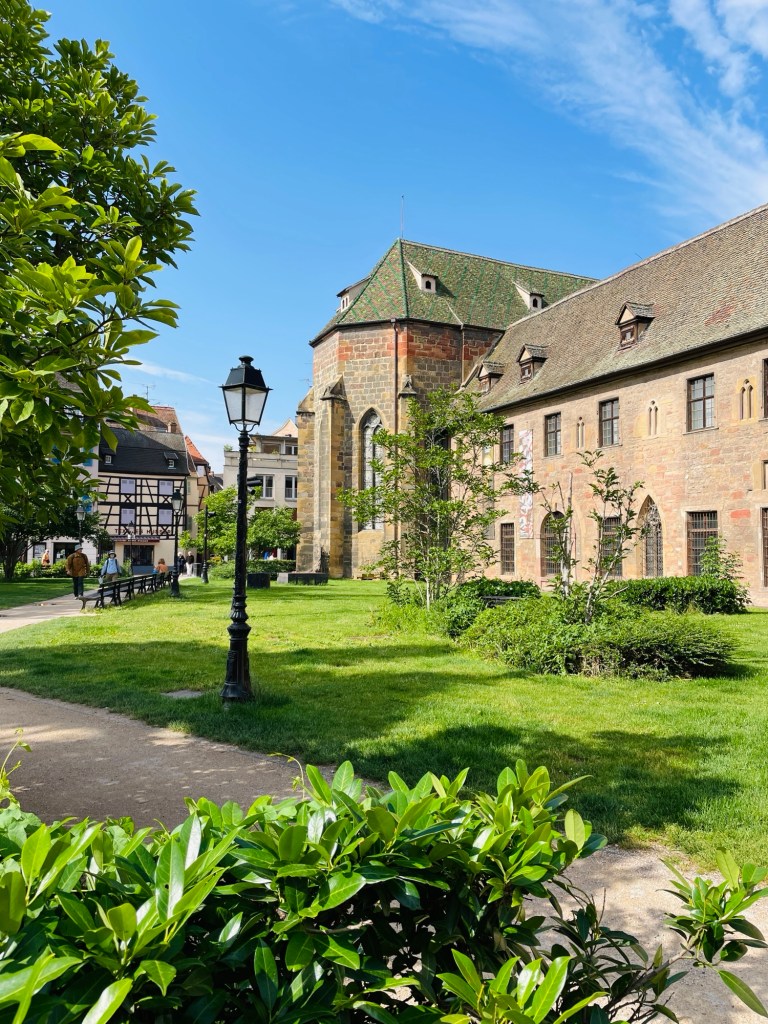
Collégiale Saint-Martin de Colmar: Due to the soil structure of the region, the upper parts of this church look more sepia-toned. I didn’t visit the inside because it was Sunday mass but I heard that there were beautiful stained glass windows inside.
Musée Bartholdi: Did you know that the creator of the Statue of Liberty in America was from Colmar? Born in Colmar in 1834, Bartholdi’s house was converted into a museum.


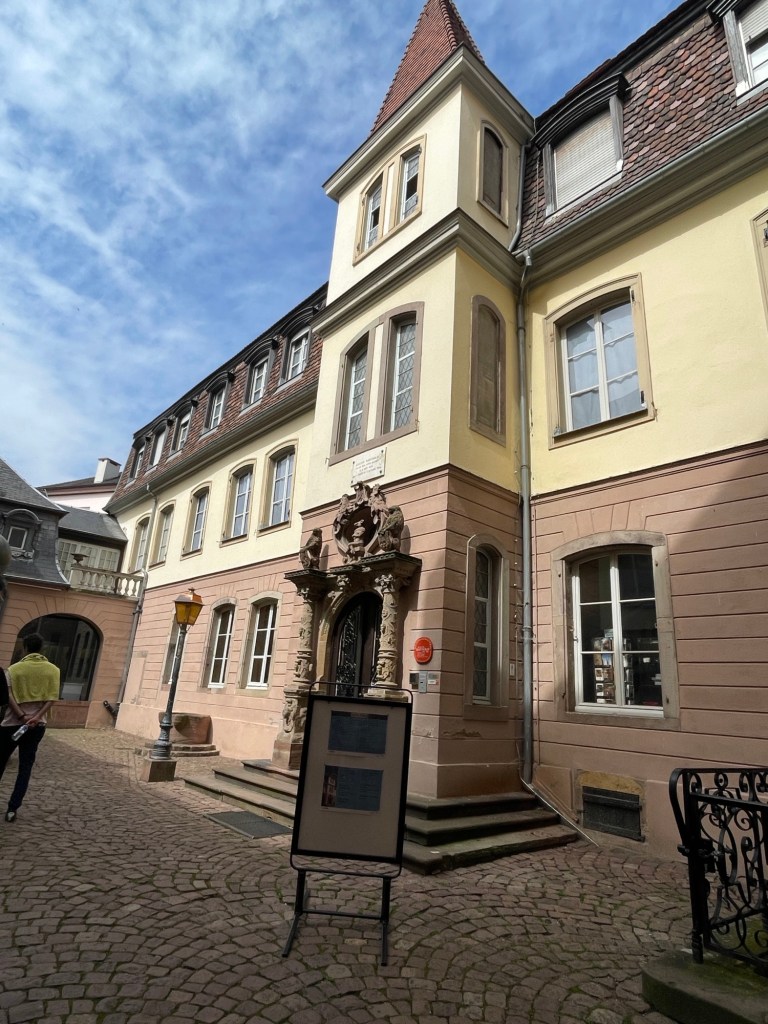
Maison Pfister: 1Dating from 537, this half-timbered house was built by a merchant who was once rich in silver mining. The exterior is covered with drawings depicting biblical stories and may be one of the most photographed buildings in Colmar.
Koïfhus: Also known as the Old Customs House, this building once served as a marketplace and administrative center. Today it is a venue for exhibitions and events.
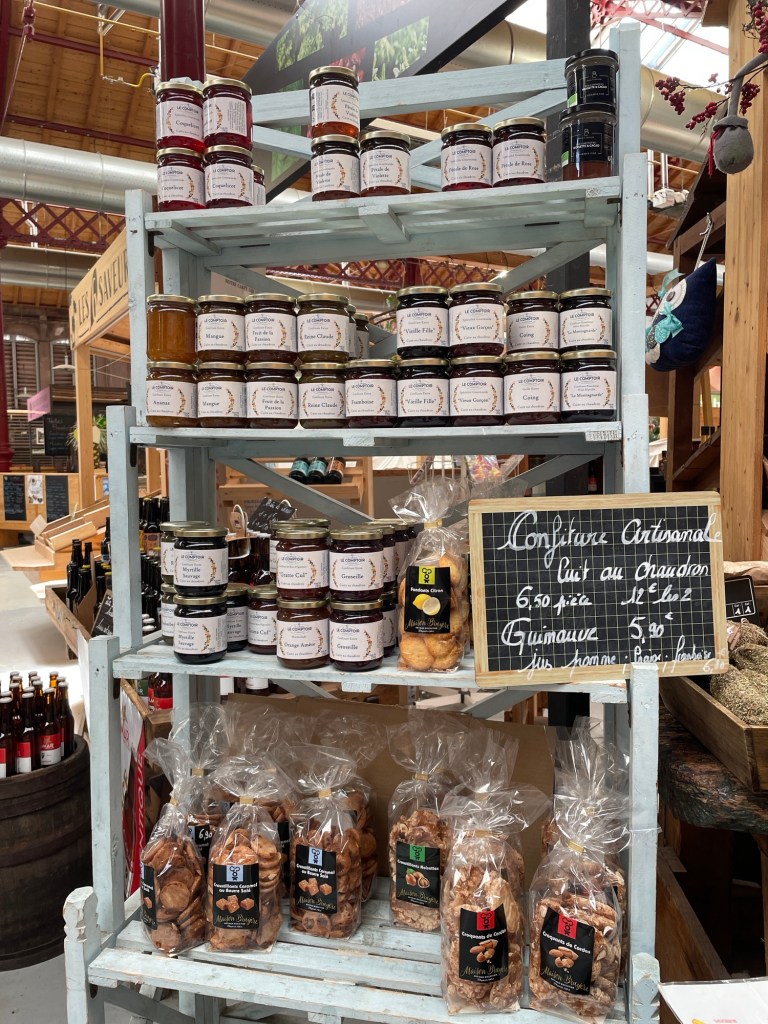
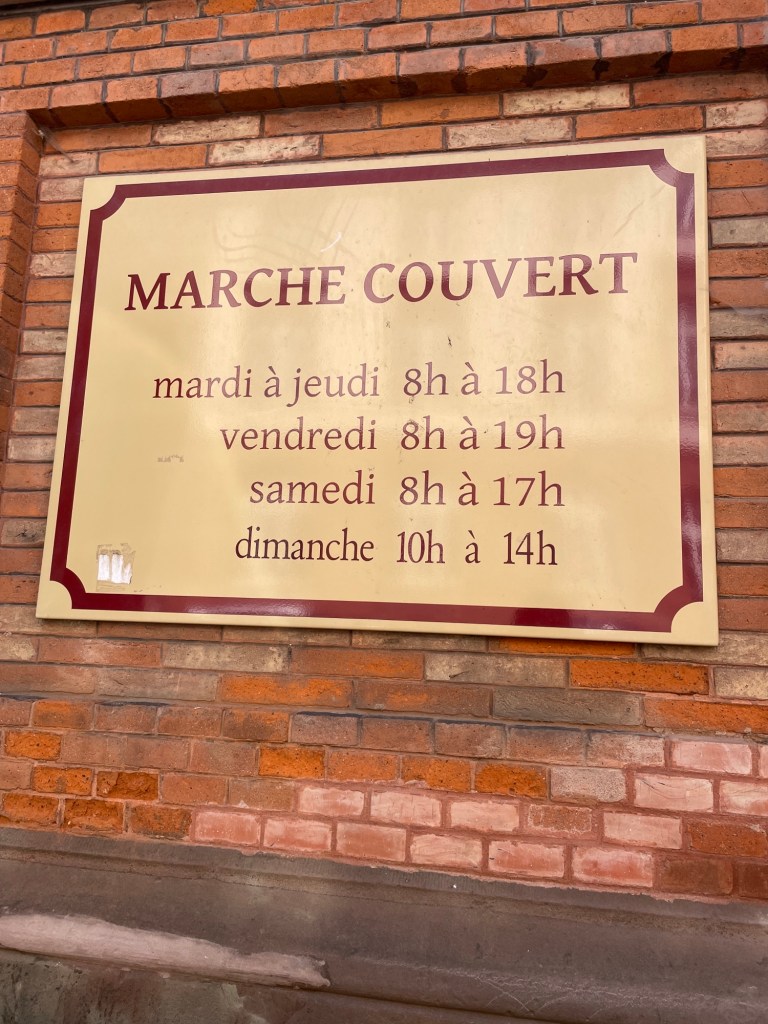
Marché Couvert Colmar: Be sure to visit this indoor marketplace. It is open from 8:00-18:00 on weekdays, 8:00-17:00 on Saturday and 10:00-14:00 on Sunday. It’s a small market where you can find cheese, pastries, wine, meat products and pâté. Pâté is a bread spread made from chicken, duck or goose liver, which has an important place in French cuisine. I’ve tried it before, it’s a taste I’m not used to, but maybe you’ll like it.
La Petite Venise: This area is called “Little Venice” because of its canals. The canal is very short, but it is possible to capture colorful shots with the houses around it and the flowers on the iron railings.
COLMAR Sign: Don’t forget to take a photo with the COLMAR sign next to Parc du Champ de Mars.
As you walk through the streets of Colmar, you will see milk jugs, ladders and pots hanging outside the houses. Families engaged in agriculture and animal husbandry in this region hung these objects to preserve cultural heritage over time. It is also rumored that in the past, hanging a pot outside your house meant that the owner of that house was hospitable.
Colmar and nearby cities
Since Colmar is close to the border between Germany and Switzerland, Freiburg im Breisgau and Basel are about an hour away. Likewise, Strasbourg is one of the cities that can be added to the plan when you go to Colmar. It takes about 6 hours by car from Dortmund.
If you come by car, there are many parking lots in the city, if they are full you can find a space if you wait a bit, there is a lot of circulation.


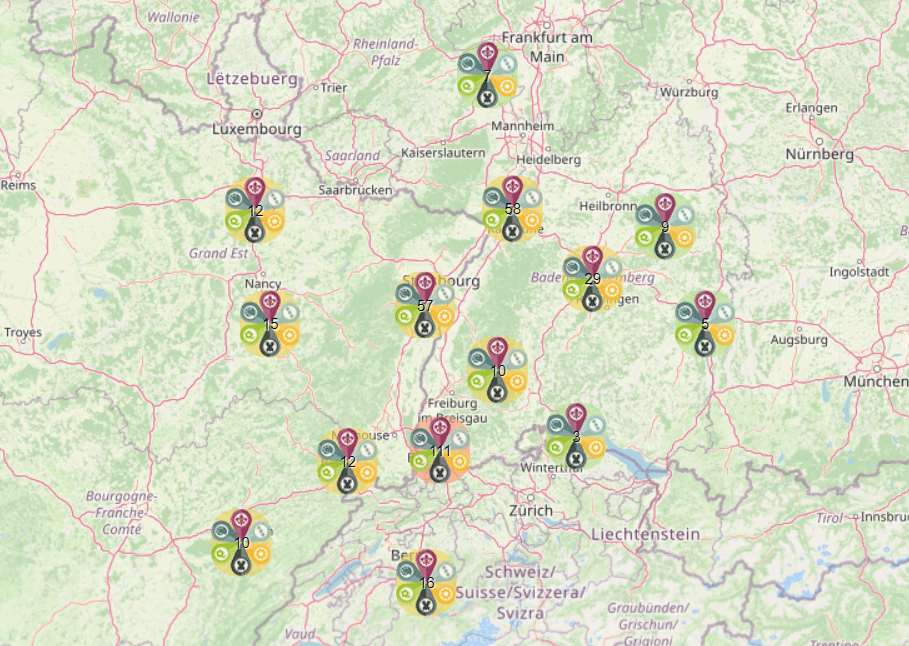
If you want to visit this region, you can get a museum card valid for museum and castle visits in the cities on the map below. The annual fee is 123 EUR and the details are here https://www.museumspass.com/en
Finally, I saw a lot of cyclists in Colmar. You can hike or cycle the Alsatian Wine Route, a 170-kilometer path through rugged vineyards and charming villages. Details are here https://www.wineroute.alsace , If I go there in the future, I will definitely add it to the posts.
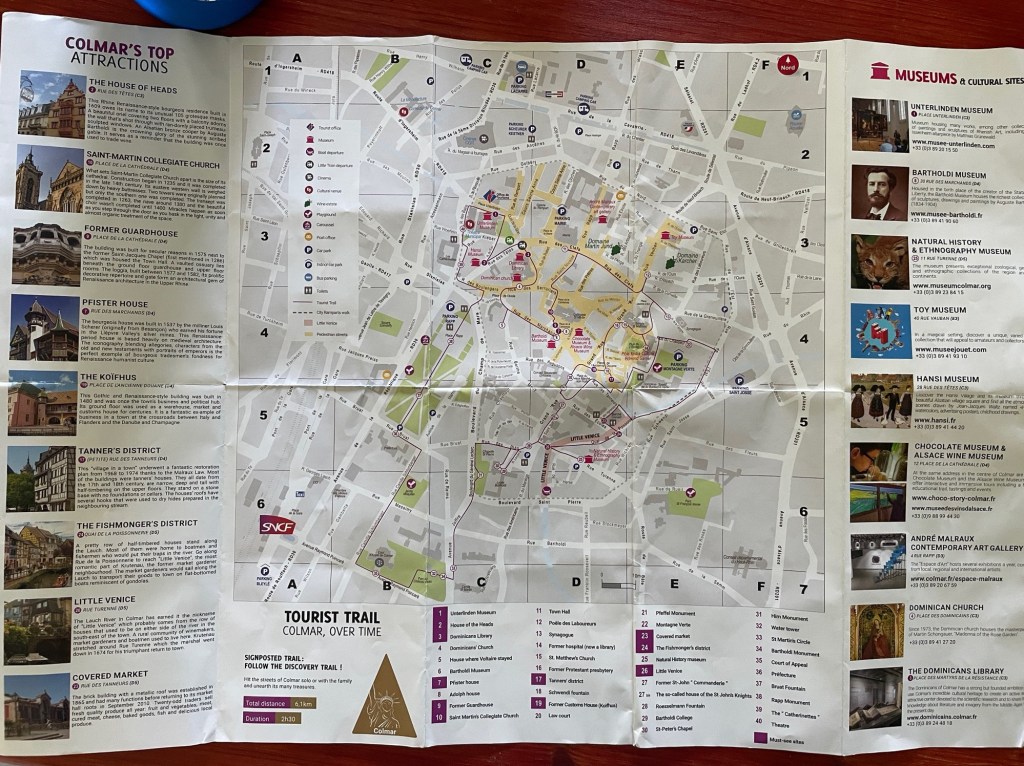
Click here for a touristic map of Colmar.

You can reach 40 different points in 2.5 hours with the Colmar map you can get from the Colmar Tourism Office or the hotel you are staying at. The map is really very detailed.
Colmar Christmas Markets 2024
They all say Christmas is one of the best time to visit Colmar. If you don’t know where to visit this Christmas, it’s a good time to start planning. For 2024 Colmar Christmas Market schedule and to check out the markets in nearby villages like Riquewihr and Ribeauville, have a look at this link: https://www.christmas.alsace/colmar-christmas-market/

Stay curious until the next post,
For more content, visit my Facebook, Instagram and YouTube accounts!
 One Day Wonder