Türkçe yazı için buraya tıklayın.
This Easter holiday, I decided to visit Luxembourg, which will be the 19th country I’ll set foot in. After spending a day in Luxembourg City, I explored Trier and Bernkastel-Kues, the wine route along the Moselle River in Germany. In this blog post, I’ll share my experience of Luxembourg, which truly captivated me.
General Information About Luxembourg
Luxembourg, officially known as the Grand Duchy of Luxembourg, has been a member of the European Union’s Schengen area since 1958. The country’s currency is the Euro, and it has three official languages: French, German, and Luxembourgish. However, in touristic areas local people speak English. It forms the BENELUX trade union with Belgium and the Netherlands. Despite its small size in terms of area, it has the highest per capita income in the world. While exploring, you’ll come across many international financial institutions. And the country’s population is only 650 thousand 🙂
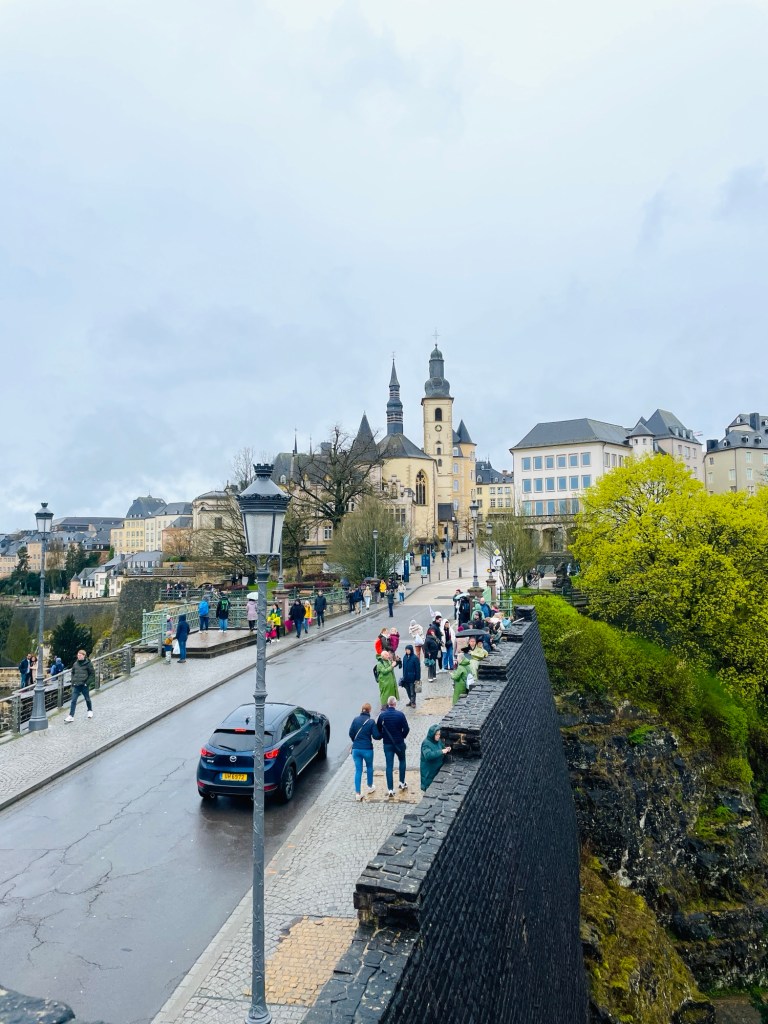
Luxembourg is the only country in the world governed by a duchy, and its capital Luxembourg City bears the same name as the country. Luxembourg’s old city centre has been a UNESCO World Heritage Site since 1994 and, together with Brussels and Strasbourg, is one of the three official centres of the European institutions. The city is the first capital city where public transport is free.
In the south of the country, wine is produced in the Mosel region and the Schengen Agreement, which allows freedom of movement within the European Union and is well known to all travelers, was signed in the town of Schengen.
Things to Do in Luxembourg
Even before reaching the city, the rain on the way showed me how the day would pass. I visited many of Luxembourg’s must-see places with great determination, accompanied by incessant rain and showers from time to time. But the taste of it was left in my mouth, I would like to visit this historical city again in a sunny season. In Luxembourg, which ranks second among my favourite cities after Prague, I wanted to stop every step and take photos. I hope I was able to explain how much I liked it 🙂 On Easter day at the end of March, the streets were full of tourists from many different countries.
The city consists of two layers, so don’t be intimidated by the ups and downs. But definitely wear comfortable shoes and bring a raincoat with you. For the places to visit, I made the order according to my own route below. I marked these places on Google Maps, here is the link.
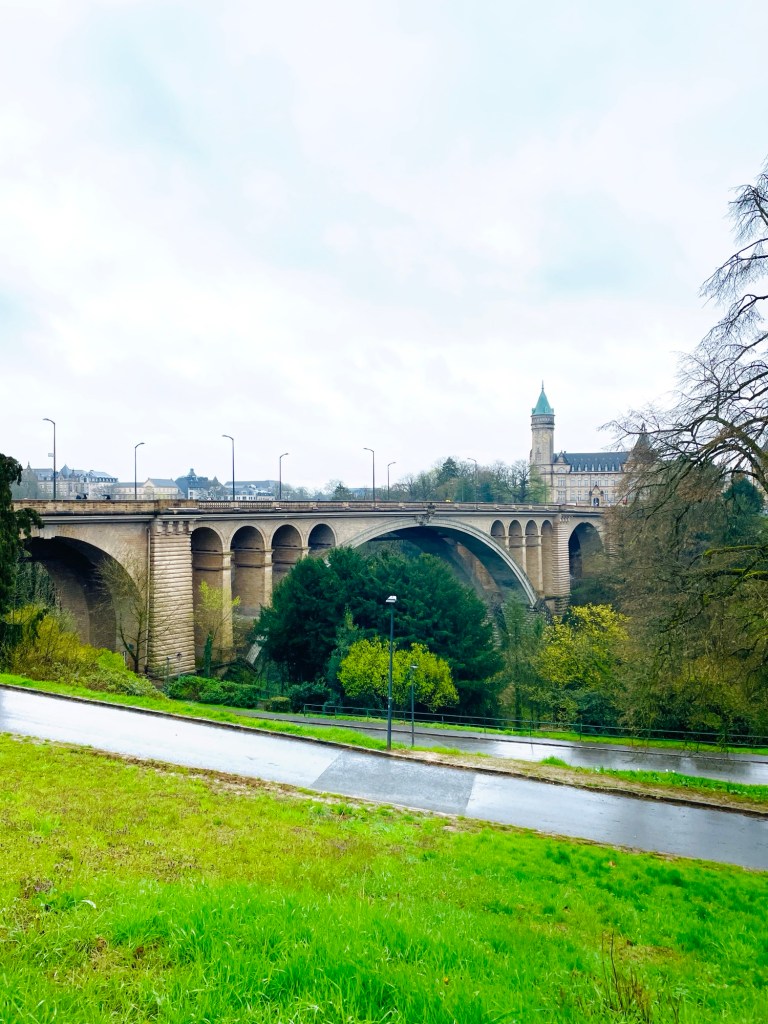
Pont Adolphe: The bridge, one of Luxembourg City’s important symbols, was built in the early 1900s and bears the name of Grand Duke Adolphe. It has an impressive design with stone arches. There’s a bicycle and pedestrian path underneath the bridge, making it possible to walk from end to end and admire the Pétrusse Valley.
Parcs de la Pétrusse: The Pétrusse Valley, stretching beneath the Pont Adolphe, is lush green. I walked down from one side of the bridge and climbed up to the other side of the valley. You can walk and cycle in the valley surrounded by historical city walls.
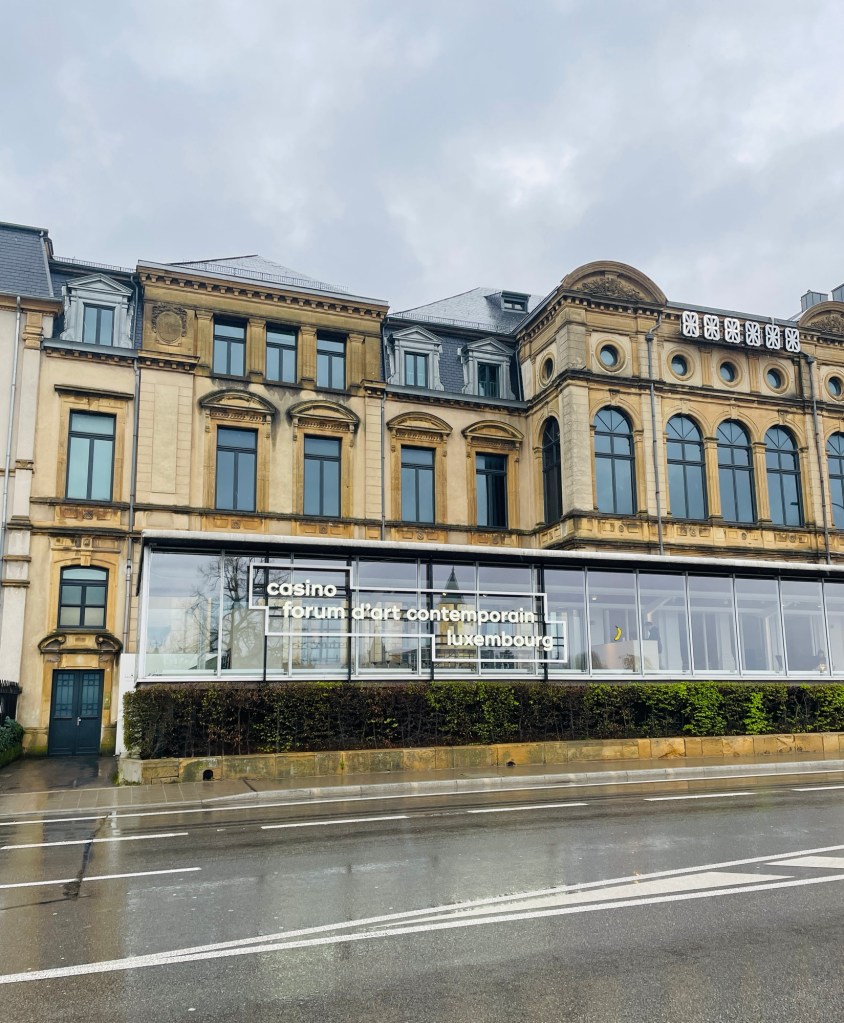
Casino Luxembourg – Forum d’art contemporain: Although we think of bambling when we think of Casino, but this is a modern art museum in the centre of the city. There is a museum store where art books are sold. Entrance to the museum, which is closed on Tuesdays, is free of charge.
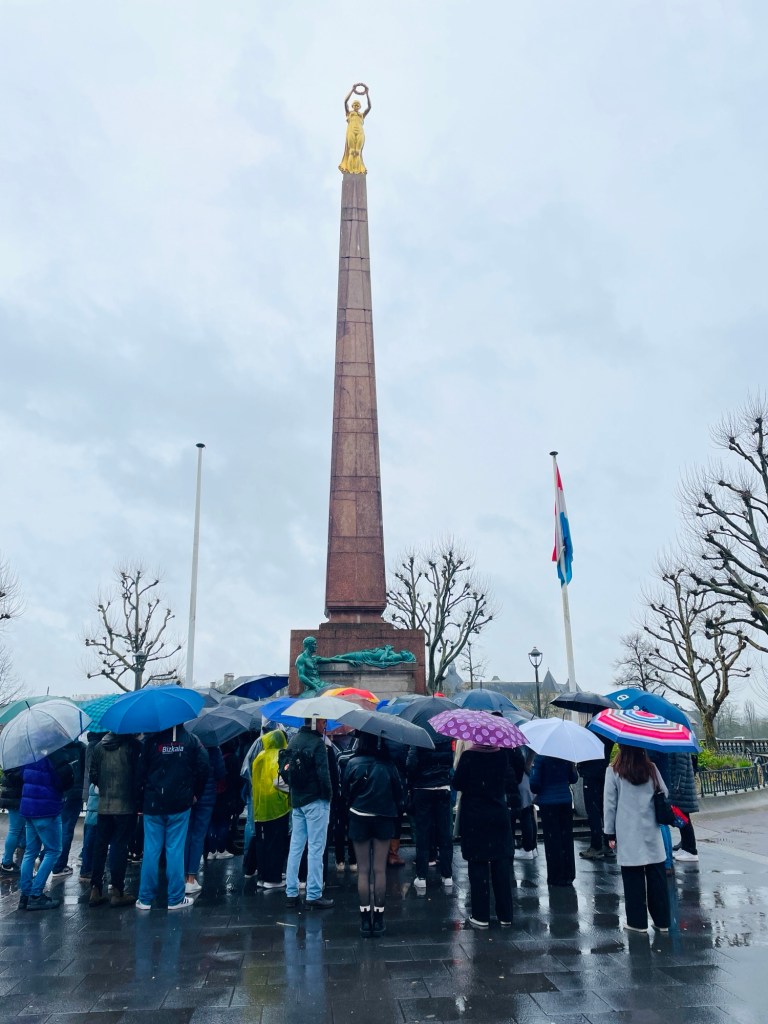
Gëlle Fra: This monument, also known as the Monument of Remembrance or the Golden Lady, is dedicated to the soldiers who died during World War I. You can see the city view and the Pétrusse Valley behind the monument.

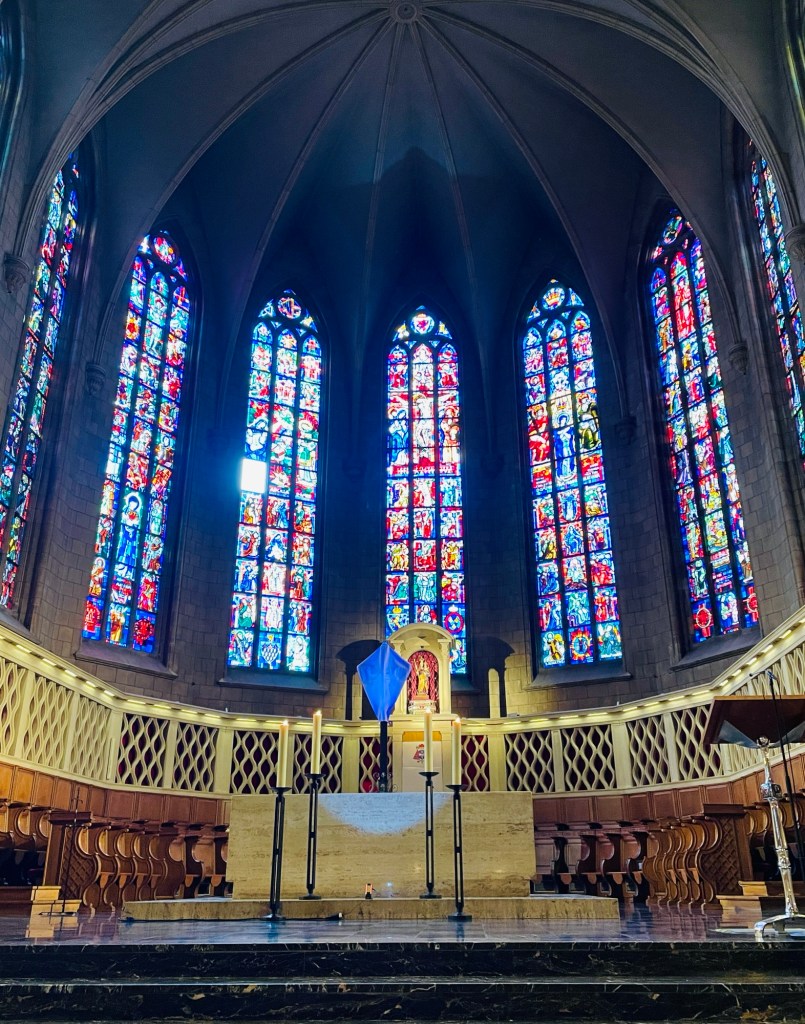
Cathédrale Notre-Dame: The Gothic-style cathedral’s interior features stained glass windows and wall paintings worth seeing. While we were visiting the cathedral, a priest was talking to those who came to confess. Visiting the cathedral is free. The cathedral is free to visit and you can take your own audio tour by scanning the QR code in the enterence.

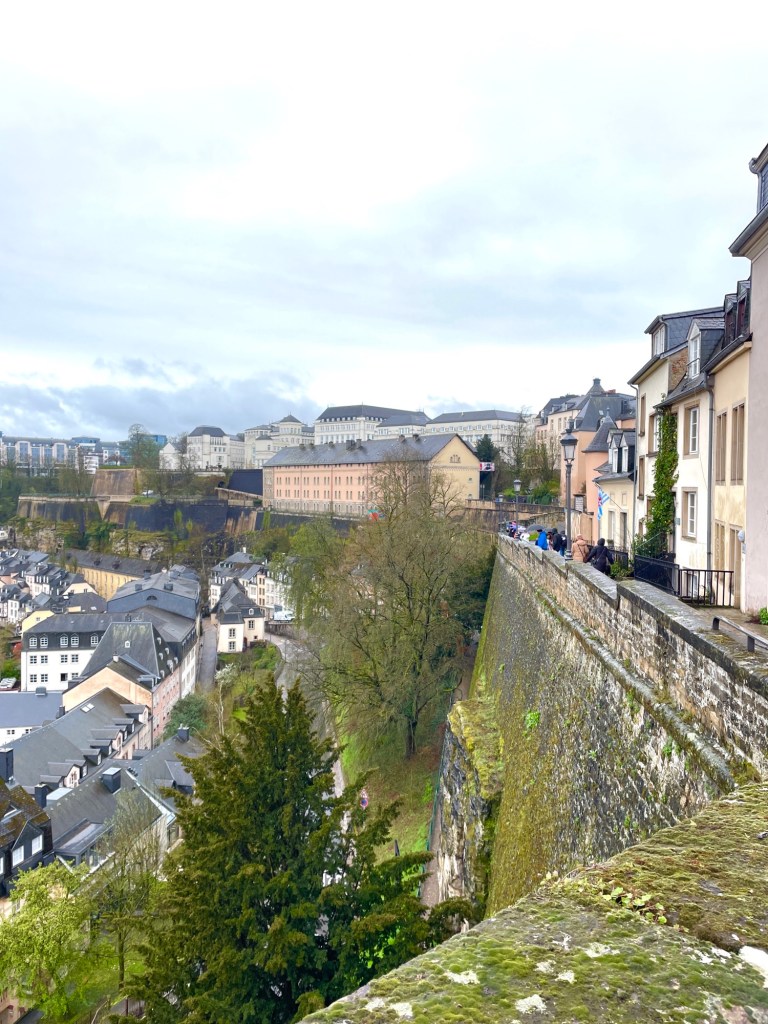
Chemin de la Corniche: This was my favorite place in the city. Throughout history, Luxembourg has been occupied by different countries. In the 17th century, during Spanish rule, a defensive corridor was built to strengthen the city’s defenses. Known as the ‘most beautiful balcony in Europe,’ the Chemin de la Corniche offers truly unique views of the Alzette River and the Grund area below, with trains passing over bridges in the distance during the walk.
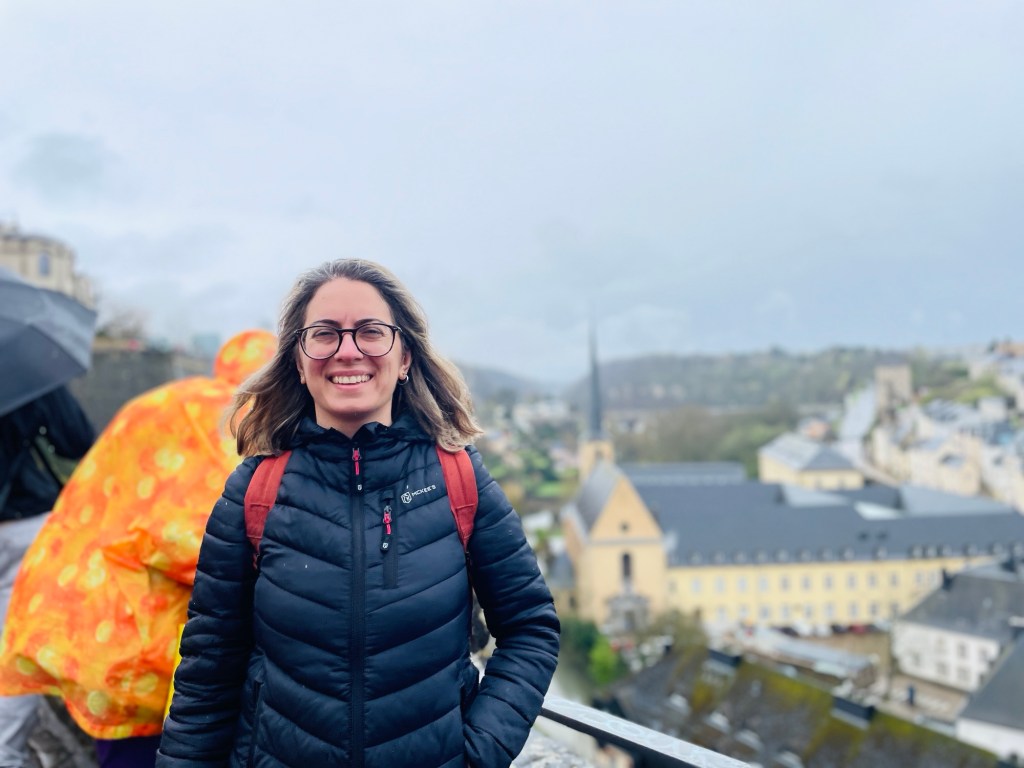

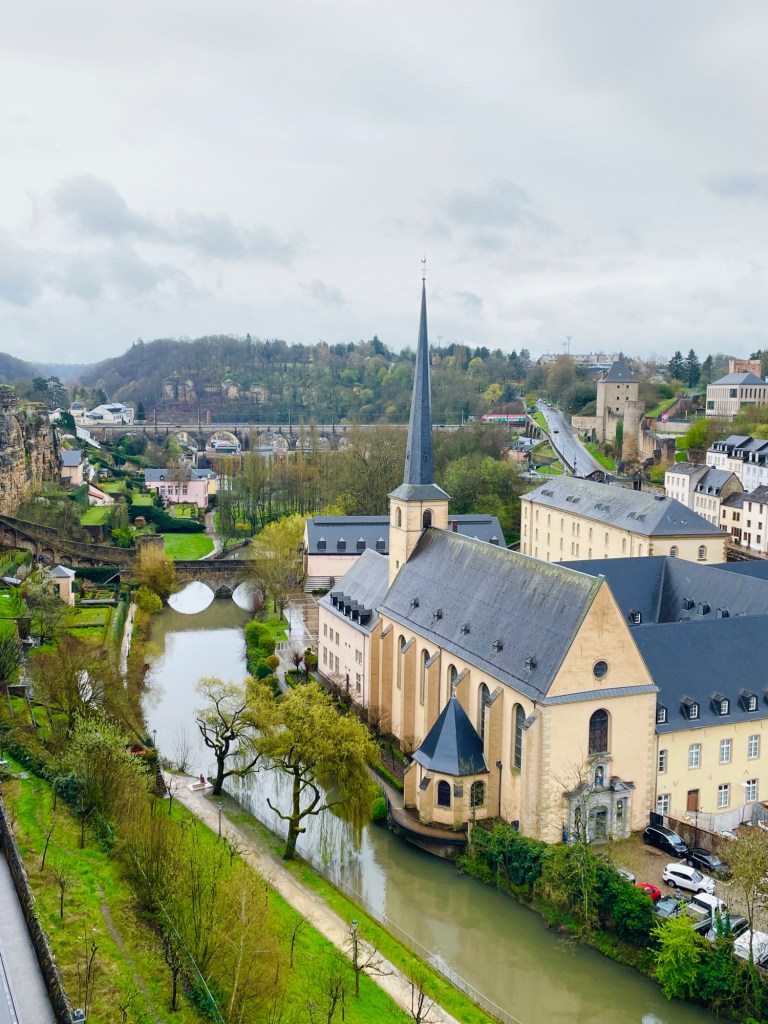
Monument Patrimoine Mondial de l’UNESCO: This small monument indicates that Luxembourg is included in the UNESCO World Heritage list.
Casemates Du Bock: Underground tunnels built in 963 and serving as a defensive fortress in Luxembourg City. The entrance fee is 8 EUR.
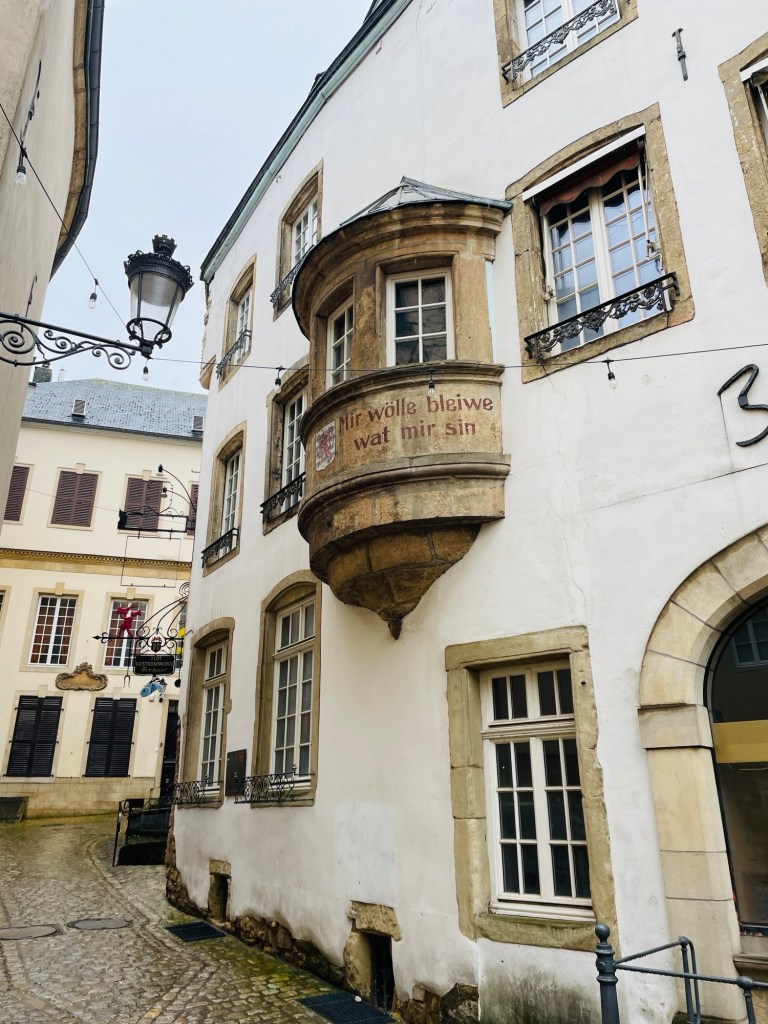
Fëschmaart (Fishmarket): In the area where merchants historically brought fish and seafood, souvenir shops now occupy the space. The MNHA (National Museum of History and Art) is located in this area. “Mir wëlle bleiwe wat mir sinn” was written on the balcony of a building against the German occupation in World War 1. In other words, ‘we want to stay as we are’.
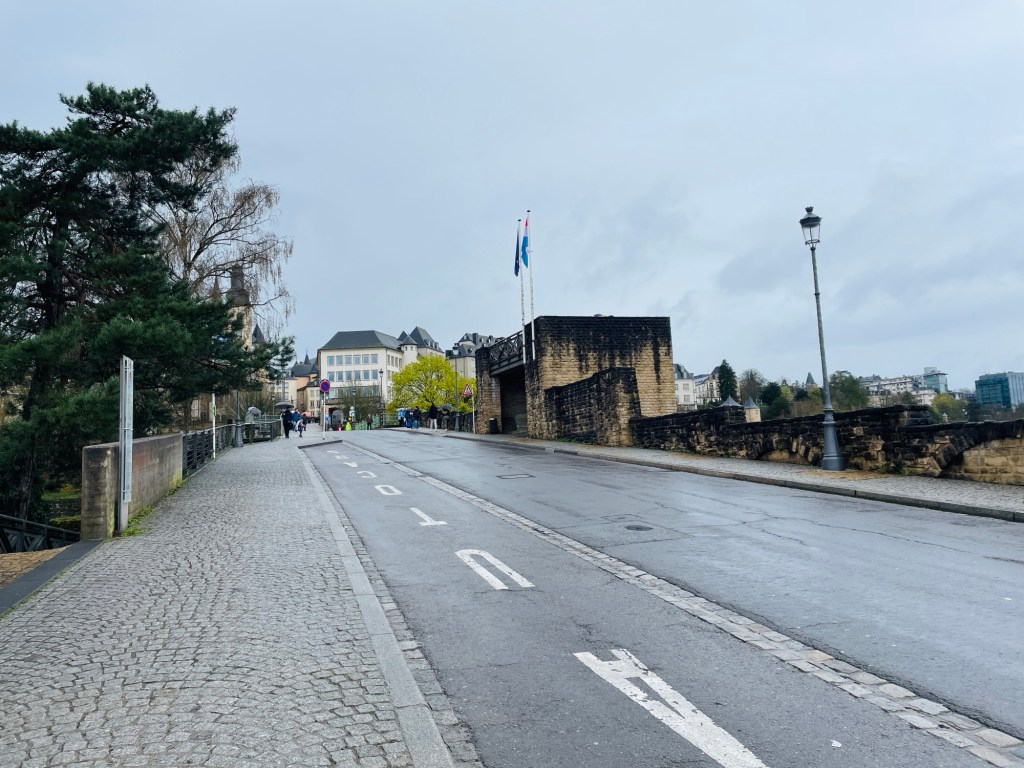

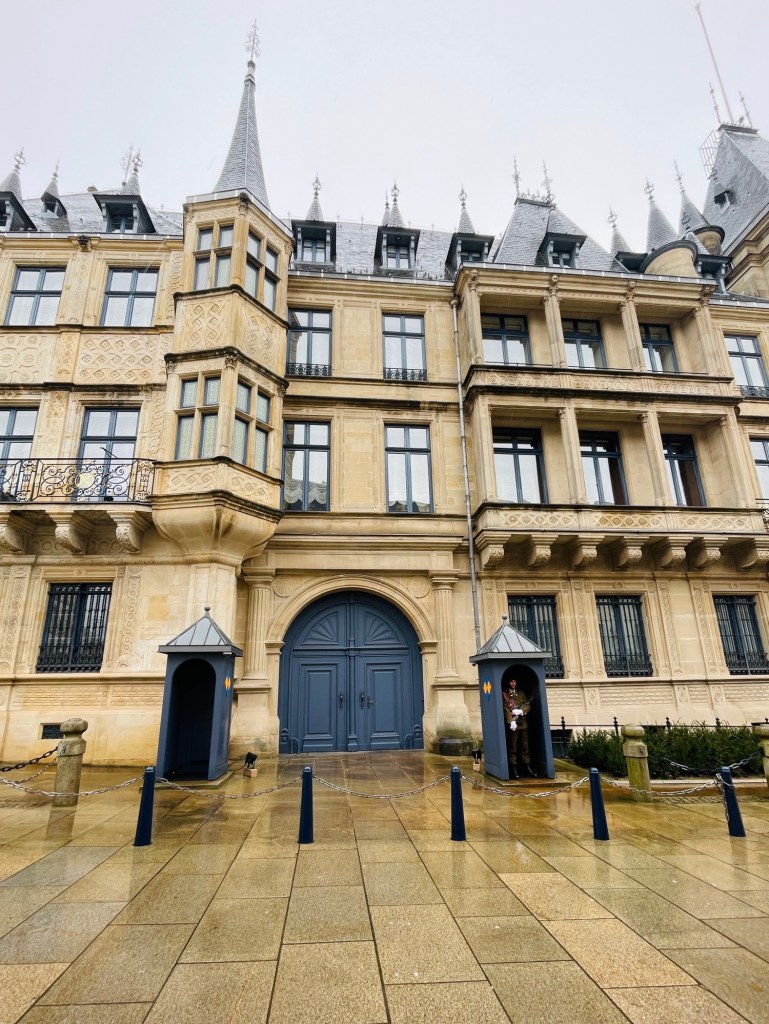
Grand Ducal Palace: It is the official residence of the Grand Duke of Luxembourg. I was expecting a more magnificent structure, but it’s a small palace. There was only one soldier standing guard at the front door. The palace is open for visits in the summer months. For more information, click here.
Place Guillaume II: It is a central square in Luxembourg City and usually hosts events and markets.
Rue Philippe II ve Grand Rue: The city’s two main streets, where you can find boutique shops and charming cafes.


Place d’Armes: It is a lively square surrounded by cafes, restaurants, and historical buildings. In winter, you can see the Christmas Market here, and in summer, cultural events.
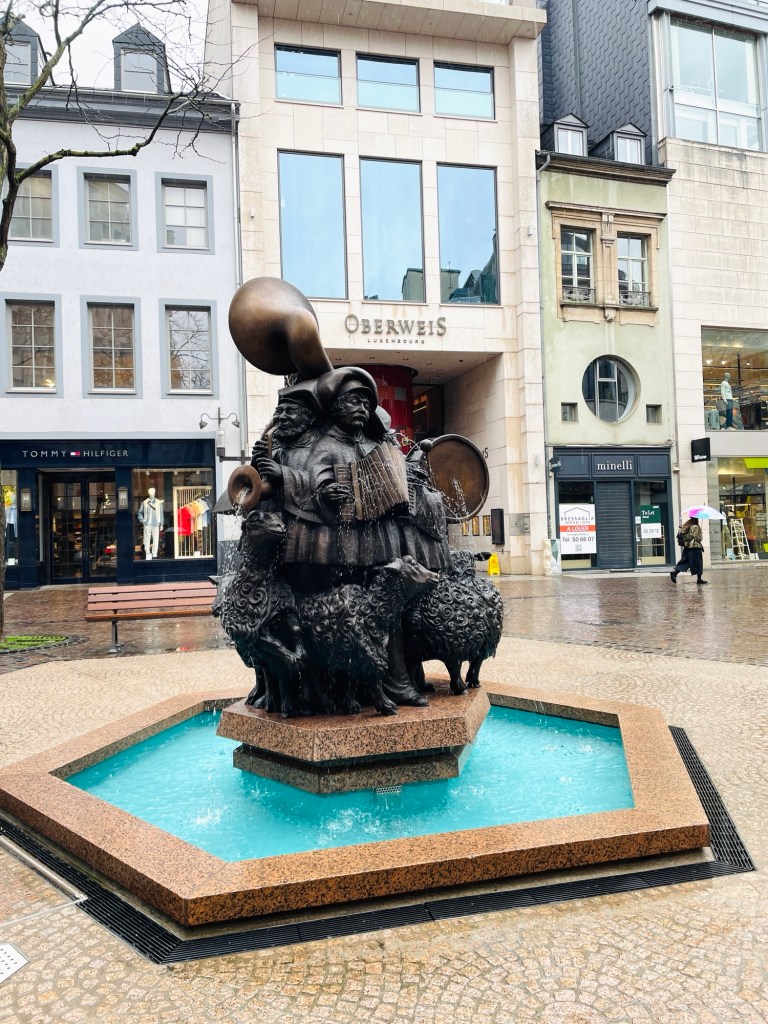
Hämmelsmarsch Fountain: This fountain, with figures of musicians and sheep, tells the story of Hämmelsmarsch, an old Luxembourg tradition. Formerly, a shepherd would roam the streets with a musician behind him, inviting people to upcoming events like fairs or festivals.
Oberweis Café: This family-run establishment has exceptionally delicious pastries. Definitely take a break here.
Three Towers: One of the entrance gates to the old city, Three Towers refers to three historic towers in Luxembourg City: the Vauban Towers, the Rothelin Tower, and the Hollenfels Tower.


Panoramic Elevator of the Pfaffenthal: You can use this 65 m high elevator for free to descend from the upper part of the city to the Pfaffenthal valley (or vice versa). You can take beautiful photos or videos from this glass elevator.

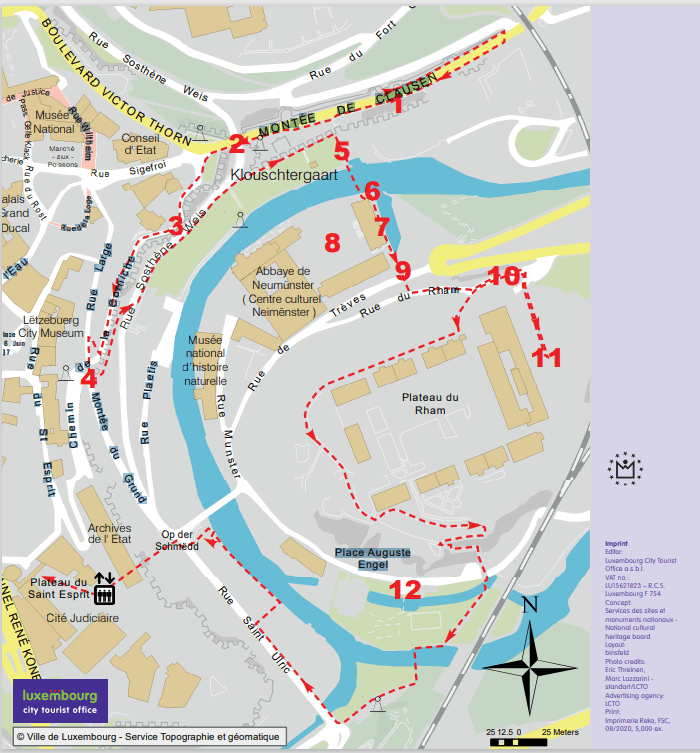
Neimënster Abbey ve Grund bölgesi: This part, which I left for my next visit, includes the historic Neimënster Abbey. It takes about 20-25 minutes to walk between the abbey and the elevator. Various exhibitions, concerts, and events take place in the abbey throughout the year. After visiting Grund area, you can either take the elevator back up or walk back to the center if you’re up for it.
If you have time, you can also visit Thüngen Castle, Grand Duke Jean Museum of Modern Art and Luxembourg City History Museum. The next time I visit Luxembourg, I want to do the Wenzel Walk, which passes through important historical points. This tour takes about 3.5 hours, the details are at this link.
If you’re a vinyl enthusiast like me, I recommend checking out CD Buttek Beim Palais Sarl, which is packed with records.
Luxembourg Food&Drink
Breakfast: Croissant or pain aux noix (nut bread).
Meals: Judd mat gaardebounen (pork with beans and potatoes), wäinzoossiss mat moschterzooss (sausage with mustard sauce), Kniddelen (dumplings filled with vegetables or meat), Gromperekichelcher (potato pancakes), or seafood. For lunch or dinner, the average price will be 30-40 EUR per person.
Wine: Pino Gris
Beer: Diekirch
Transportation and Accommodation in Luxembourg City
You can reach Luxembourg from Germany, Belgium, and France by train, bus, or car. Public transportation in Luxembourg is well-developed, and you can reach the city center from the airport by bus. It takes about 3 hours and 15 minutes by car from Dortmund to Luxembourg. There is no vignette system for Luxembourg, and highways are free. I parked my car at Parking Monterey, which is open 24 hours. The parking fee for 10 hours is around 26 EUR. You can check the occupancy rates of parking lots in Luxembourg from this link. You can also find the cheapest gas prices compared to the neighbour countries.
You can rent a bike via Vel’oh company, the daily or 3-day subscription varies from 2 to 5 EUR. Accommodation in the centre of Luxembourg varies between 120-200 EUR per night. If you go a little out of the city, you can find places under 100 EUR. Since I will continue my route in Germany the next day, I preferred the town of Oberbillig, located on the Luxembourg-Germany border on the banks of the Mosel River. You can have a nice holiday by the river in summer. I will blog about this place in the coming days.
QuattroPole
While in Luxembourg you can also visit nearby cities; Trier and Saarbrücken in Germany and Metz in France. These four cities are called QuattroPole, more information on quattropole.org.
Stay curious until the next post,
For more content, visit my Facebook, Instagram and YouTube accounts!


“Luxembourg Day Trip” üzerine 2 yorum