Türkçe yazı için buraya tıklayın.
My next stop on my Luxembourg trip is Trier, a city built on the banks of the Moselle River and attracting tourists with its ancient heritage from the Roman Empire. You can reach here by train from Luxembourg in 50 minutes. I leave the ticket and time table details on this link.
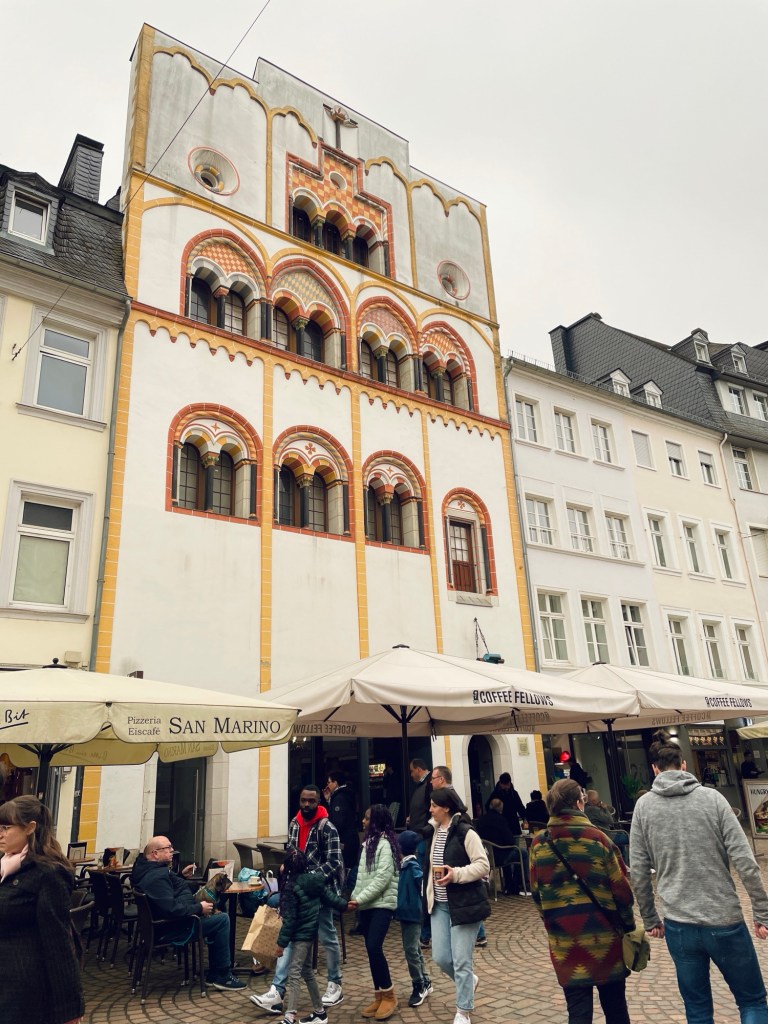
Trier dates back more than two thousand years and is therefore known as “the oldest city in Germany”. Founded by the Celts in the late 4th century BC, Trier flourished under Roman rule and became one of the most important cities in the empire. During this period, important works of ancient architecture were built, such as the Porta Nigra, the largest Roman city gate north of the Alps, and the Trier Amphitheatre, which once hosted gladiatorial games. Many of the city’s historic buildings are UNESCO World Heritage Sites.
The day I visited Trier, it was raining mixed with desert dust from Africa. The photos and videos may look a bit sepia filtered 🙂
Things To Do in Trier
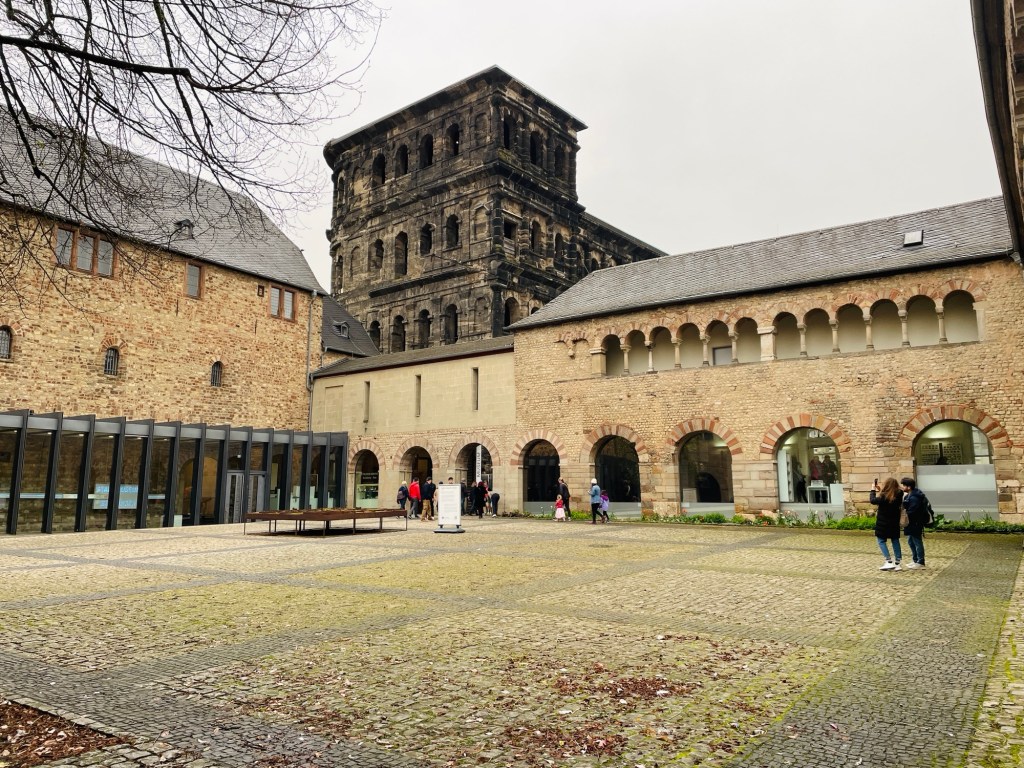
Porta Nigra: It is the largest Roman city gate north of the Alps, built in the 2nd century AD, which means “Black Gate” in Latin. I recommend you to start your Trier trip from here and walk to the centre by passing through Porta Nigra as in ancient times. Entrance into Porta Nigra and access to the upper balconies costs 4 Euros. If you want to see the other ancient Roman ruins in Trier (Amphitheatre, Forum and Imperial Baths), it would be more convenient to buy an Antinken Card.


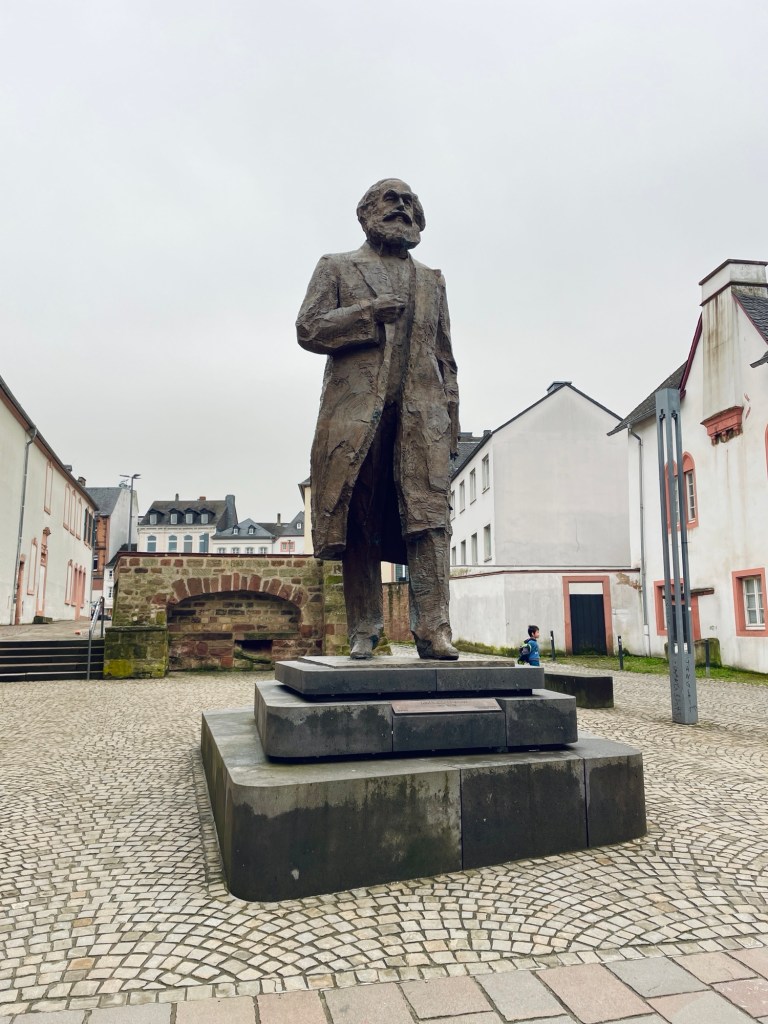
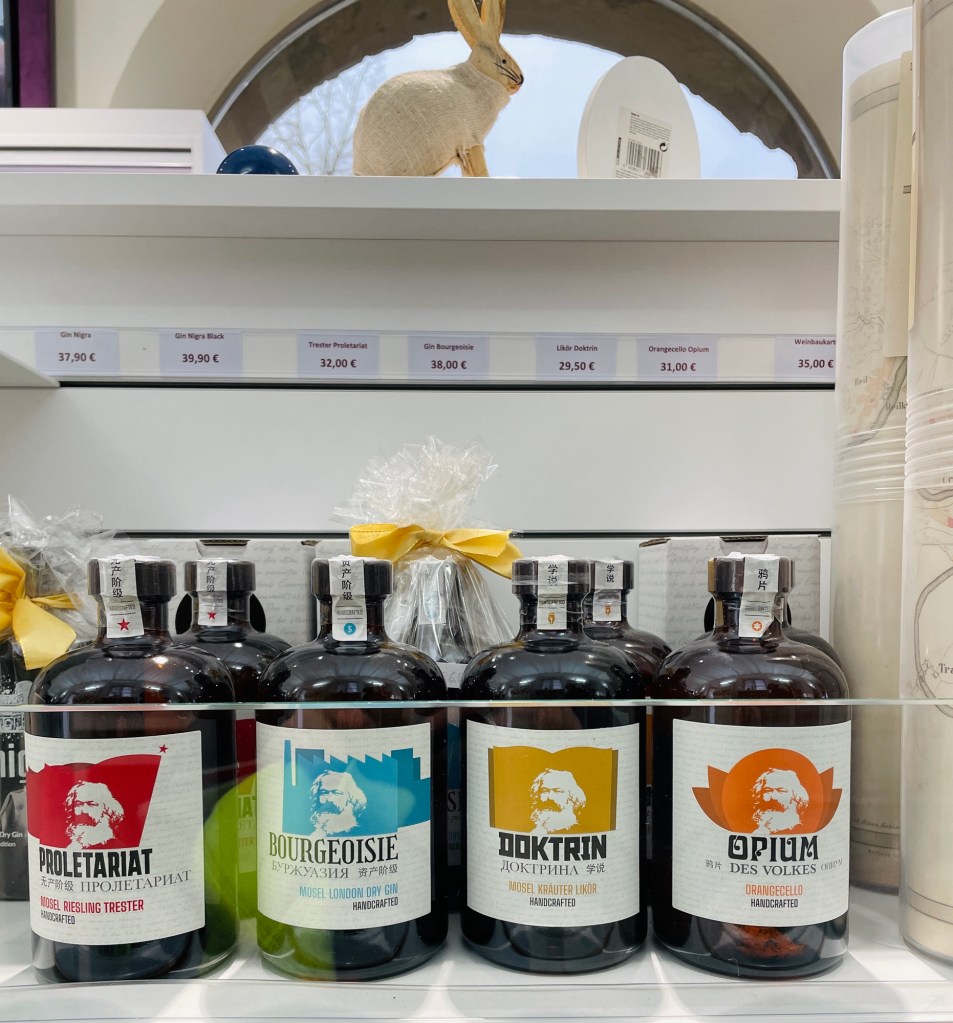
Karl-Marx-Denkmal: An interesting fact about Trier is that it is the birthplace of the famous philosopher, economist and revolutionary socialist Karl Marx. In the city, which bears traces of both past and recent history, this monument was built to commemorate Marx. You can go to the monument by passing through the garden of the City Museum next to Porta Nigra.
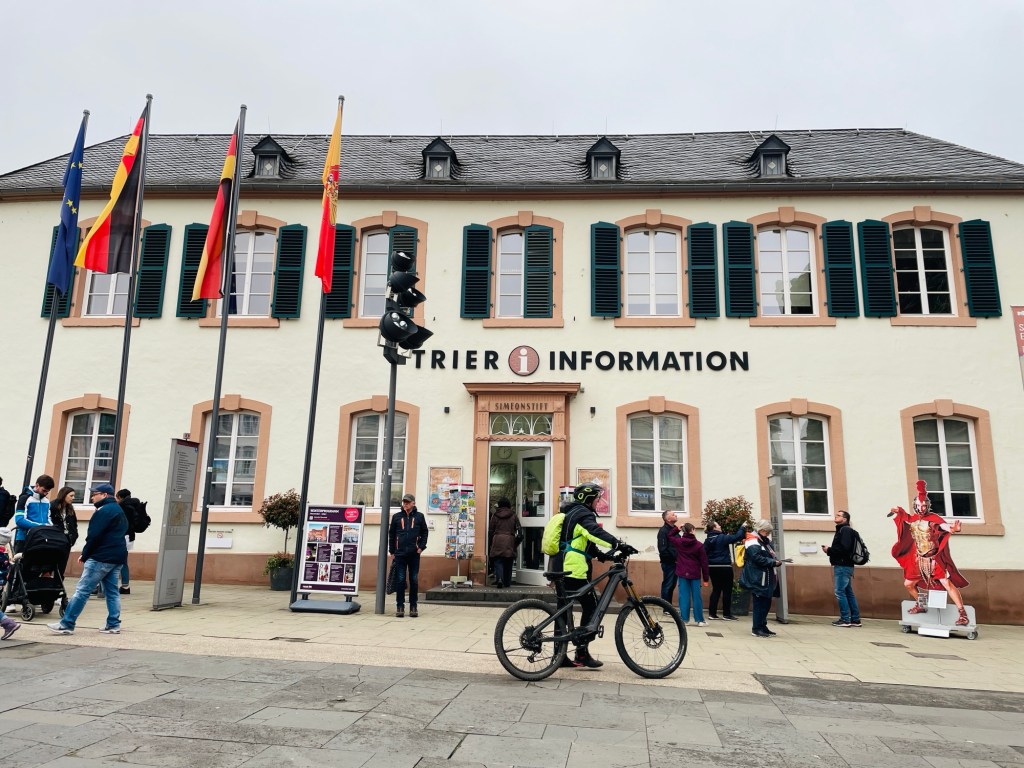
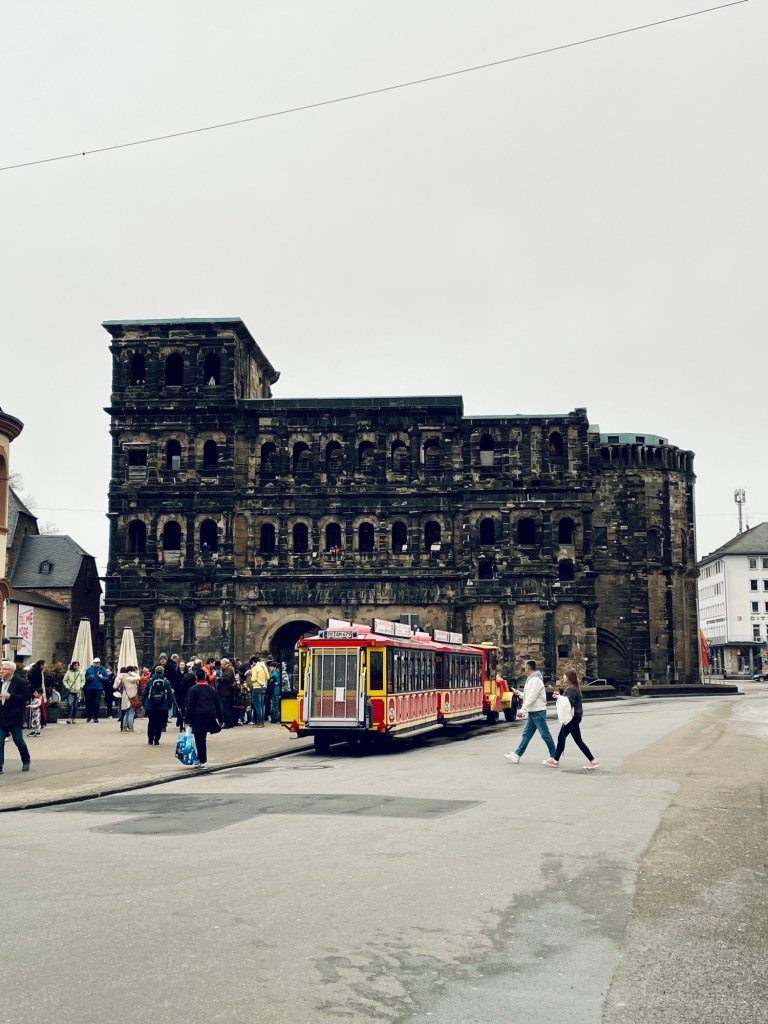
Hauptmarkt: Trier’s main square hosts different events (especially the Christmas Market) throughout the year. The square, where the main streets of the city meet, is surrounded by colourful historical buildings. There are also many cafés and restaurants in this area. The colourful baroque fountain on one side of the square was built in 1595 in the name of St Peter.


Sankt Georgsbrunnen: Located in the Kornmarkt (Egyptian Market), this historic fountain has a majestic design that adds to the charming atmosphere of the city streets.
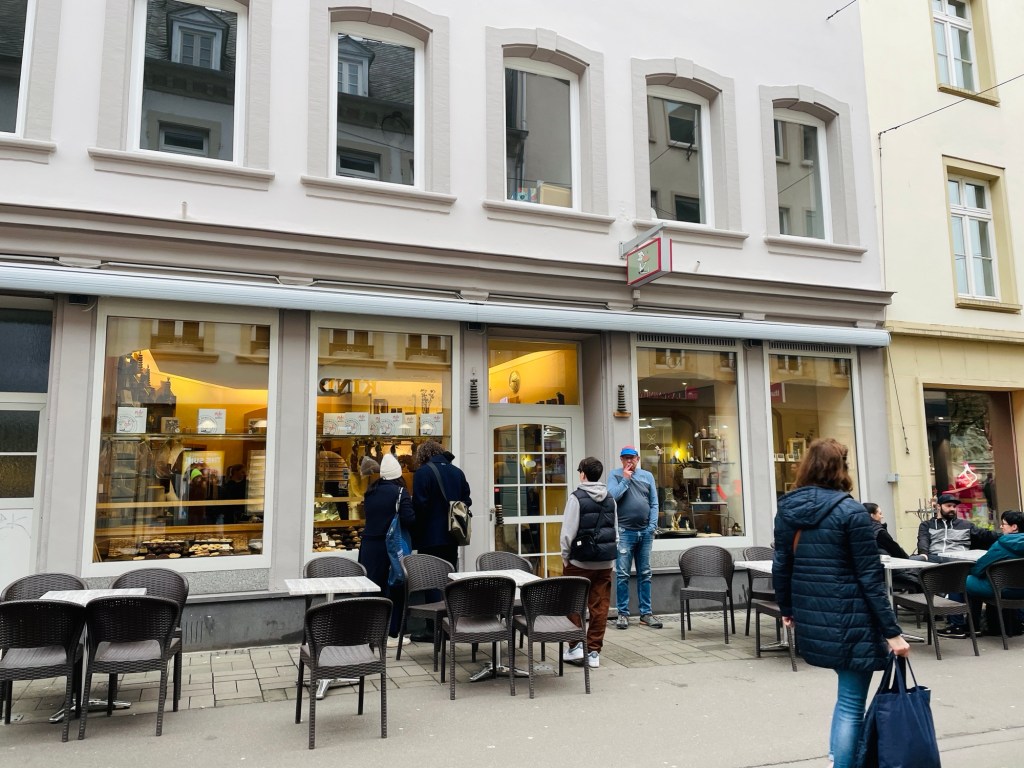
Café Mohr: The business, one of the oldest cafes in the city, was established in 1945. It is a place known for its delicious cakes and cookies. Stop by this café for a short break during your trip and don’t leave without trying Trier Taler, their traditional dessert made using almonds.
Karl Marx House: The house where Karl Marx was born has been turned into a museum. Entrance fee is 5 Euro. To be honest, after reading the Google reviews, I gave up on visiting this place. Maybe you’ll decide to visit, then don’t forget to share your comments.

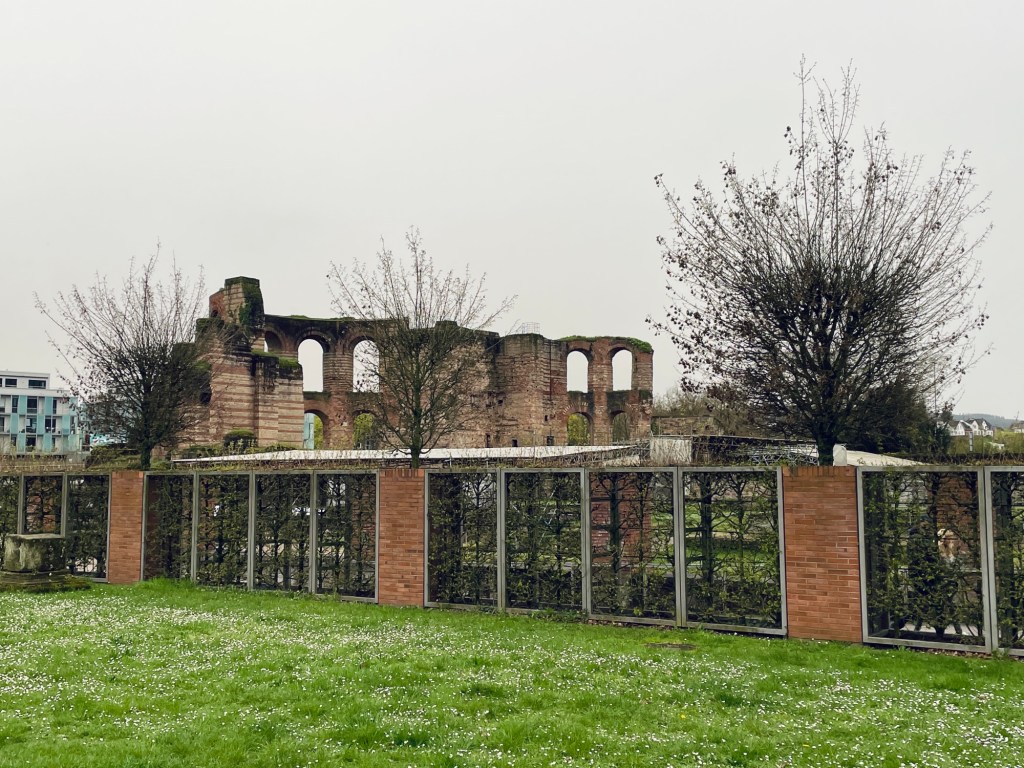
Thermen Am Viehmarkt Trier: In the interior of this building, whose exterior is completely covered with glass, there is a public bathhouse dating back to the Roman Empire period. Some of the ruins can be seen from the area at the entrance of the museum. Entrance fee is 4 Euros.
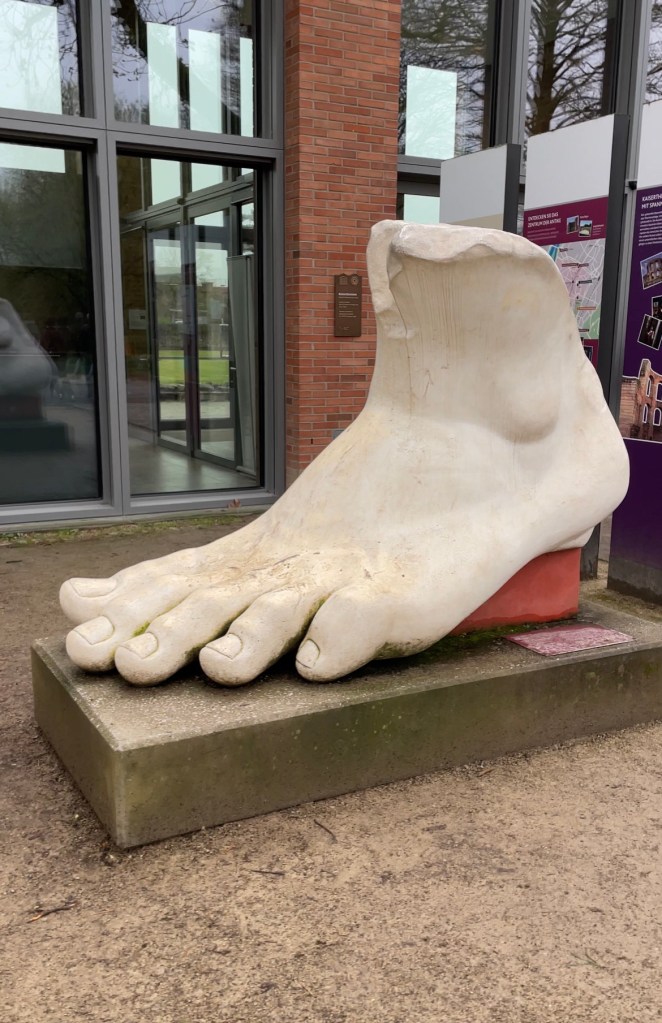
Imperial Baths (Kaiserthermen): This complex, which once served as a luxury bath and entertainment facility for the Roman elite, can be visited among the ruins and tunnels. Entrance fee is 4 Euros. In front of the museum there is a huge statue called ‘Constantine’s Foot’. This statue is dedicated to Constantine I, the first Roman Emperor who accepted Christianity.
Rheinisches Landesmuseum: In this museum, which houses a large collection of artefacts from the Roman period to the Middle Ages, you can browse exhibitions on archaeology, art and cultural history. You can also take a stroll among the beautiful sculptures in the garden of the palace where the museum is located.
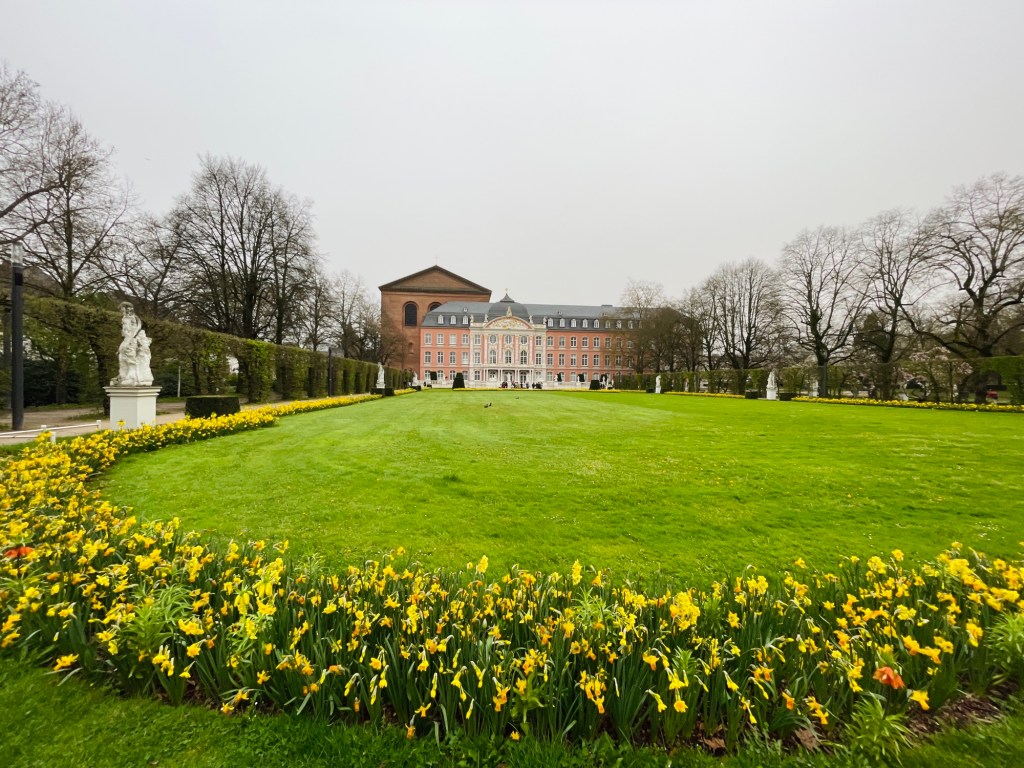

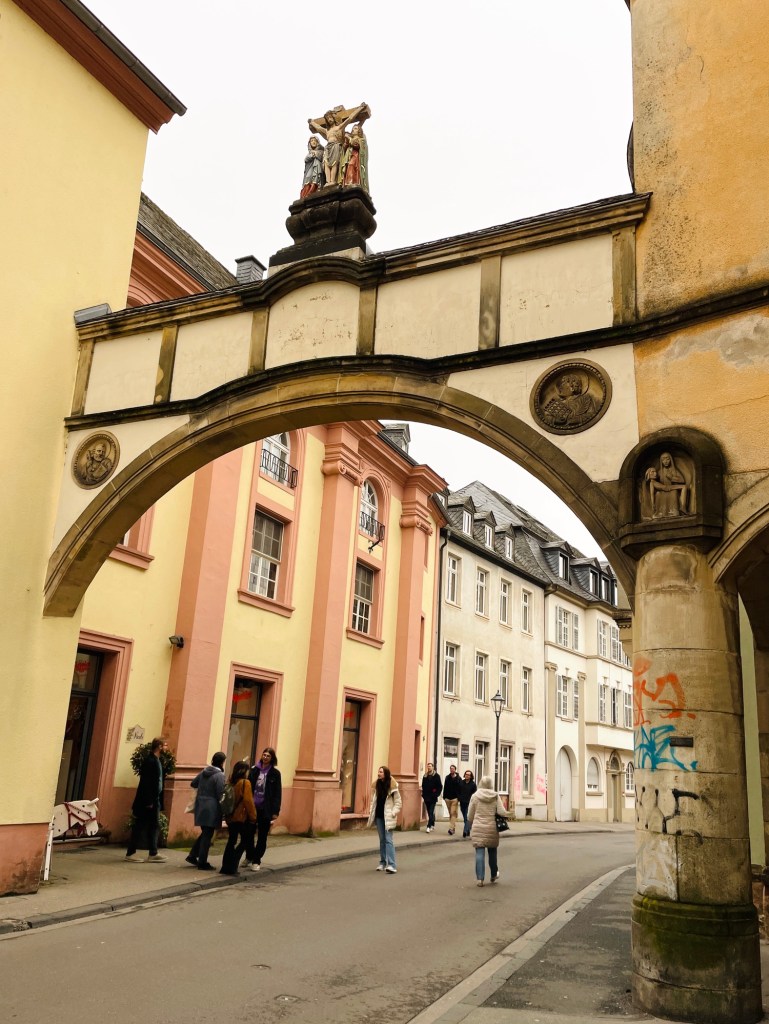
Konstantin Basilica: The basilica, built as a throne hall for the Roman Emperor Constantine the Great, is another Roman monument in the city.
Trier St Peter’s Cathedral: St Peter’s Cathedral is the oldest church in Trier and dates back to the 4th century AD. The cathedral can be visited free of charge.
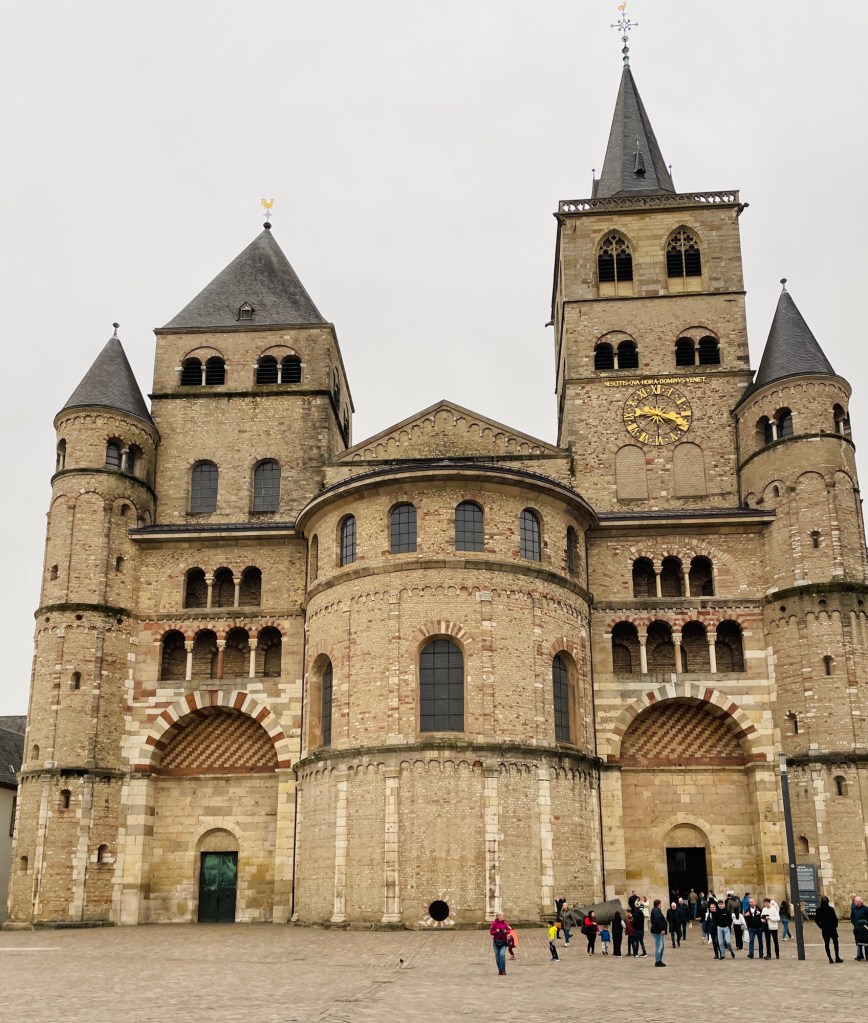
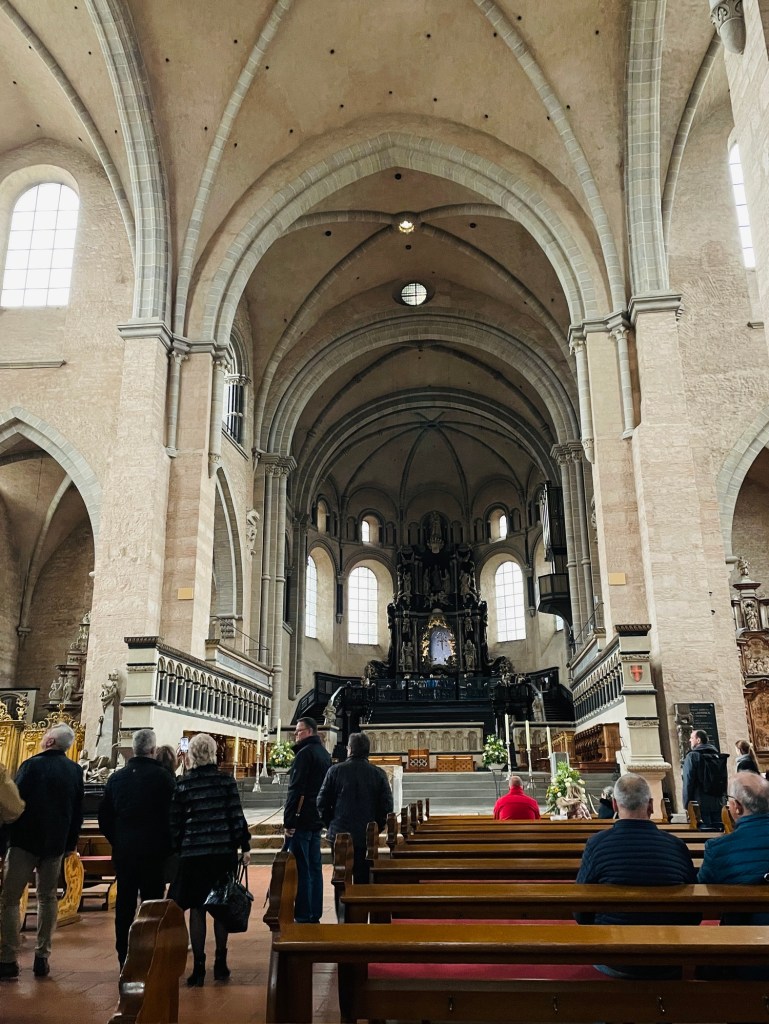

Liebfrauenkirche: The sculptures on the entrance door of the church, which is one of the examples of Gothic architecture, are very impressive.
Trier Amphitheatre: The Trier Amphitheatre, where gladiators once fought for glory, is one of the largest Roman amphitheatres in the world. Built in the 2nd century AD, the theatre could accommodate 20,000 spectators. The amphitheatre is a little outside the city centre.
City Museum (Stadtmuseum): It is a city museum showcasing the history and culture of Trier and the surrounding region from antiquity to the present day.


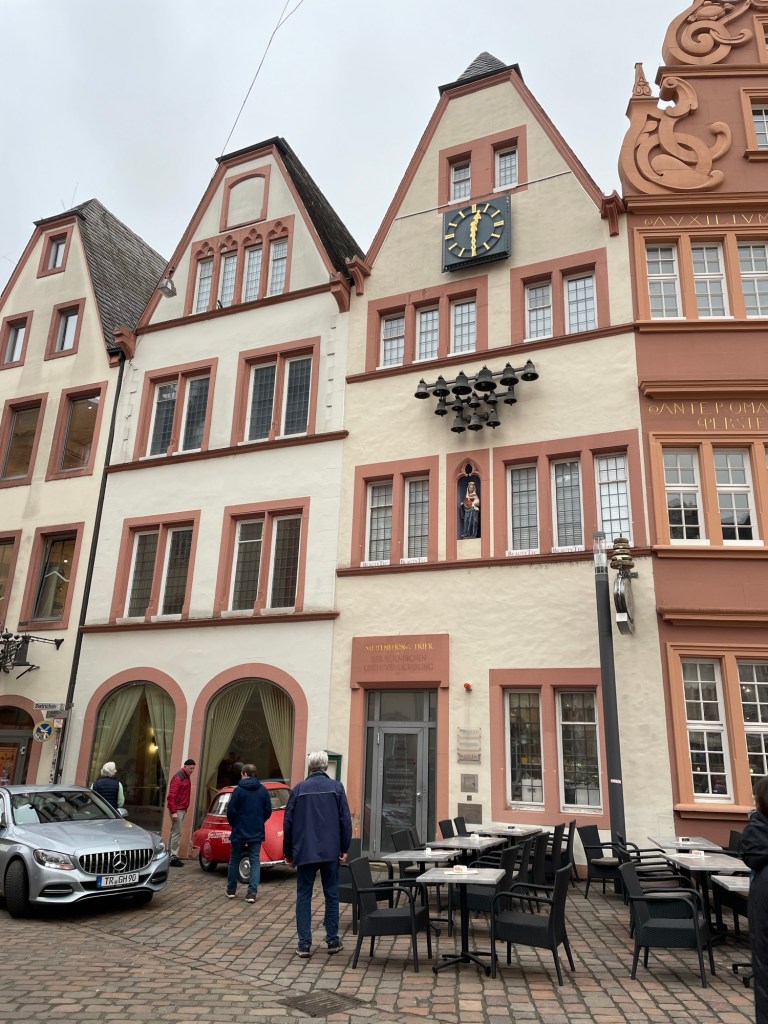
During my trip to Trier, I wandered the streets a lot, to be honest, I have become more selective in my museum visits in recent years. The city is like an open-air museum, Roman, baroque, gothic architectural examples appear one by one. Let me give you one last piece of information, the oldest bridge in use in Germany is located in Trier. The Roman Bridge (Römerbrücke) was built in the 2nd century AD and was built over the Moselle River as a marvel of ancient engineering.
You can access the Google Map where I have marked the places to visit in Trier from this link.
For more information about the city, please visit https://www.trier-info.de.
Stay curious until the next post,
For more content, visit my Facebook, Instagram and YouTube accounts!
 One Day Wonder
“The Oldest City in Germany: Trier” üzerine bir yorum