Türkçe yazı için buraya tıklayın.
Last year, we had planned a holiday to visit our friends living in Sweden, but we couldn’t decide on how to get there. After deciding to go by car, we came up with an 11-day travel plan, including stays in northern Germany, Denmark, and Sweden. The purpose of this article is to share with you in detail how such a trip can be planned. Let’s start by answering the first question of this journey, which covered a distance of 2500 km 🙂
The Weather in Denmark and Sweden During Summer
In the north, the weather can be unpredictable. During the summer months, temperatures can drop to 8-10 degrees Celsius at night and sometimes even below 20 degrees during the day. Therefore, it’s essential to pack a jacket, waterproof shoes, as well as summer clothes to be prepared for any weather conditions.
Camping Reservations
In the northern countries, campgrounds fill up with caravans on weekends. Some caravan owners can reserve their spots for the entire season. In many camping areas, cars are parked next to tents, and each person has a designated space. Therefore, it’s crucial to make your reservations in advance before heading out.
You can read details about traveling from Germany to Sweden by car from my blog post.
1.DAY Flensburg
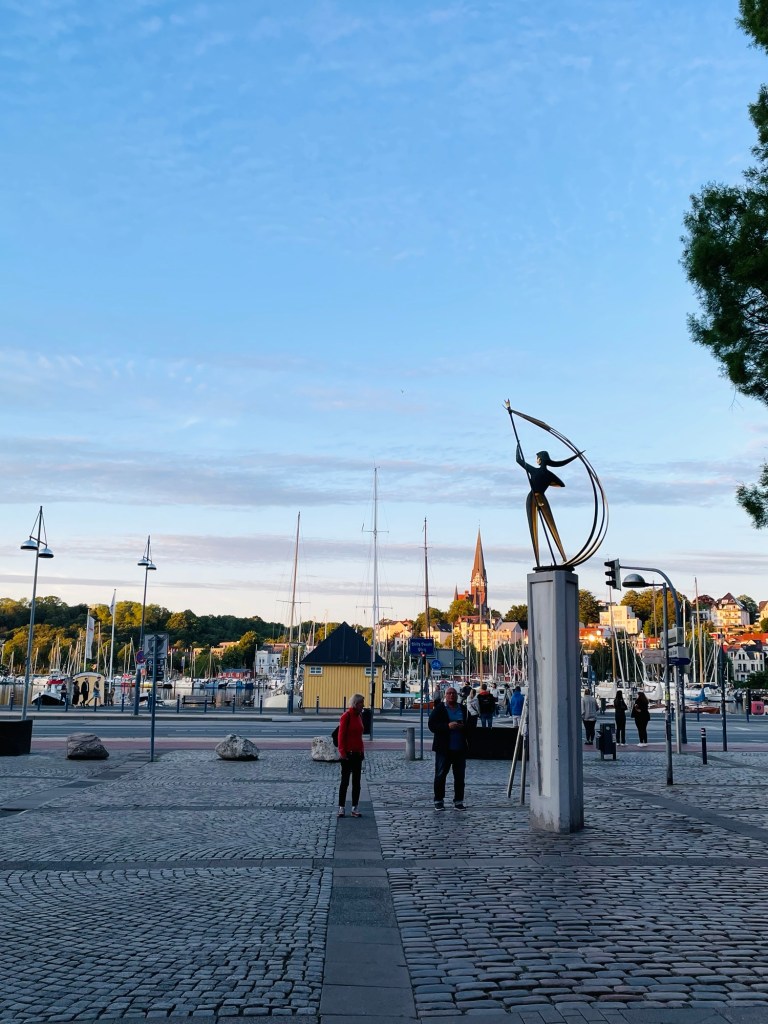
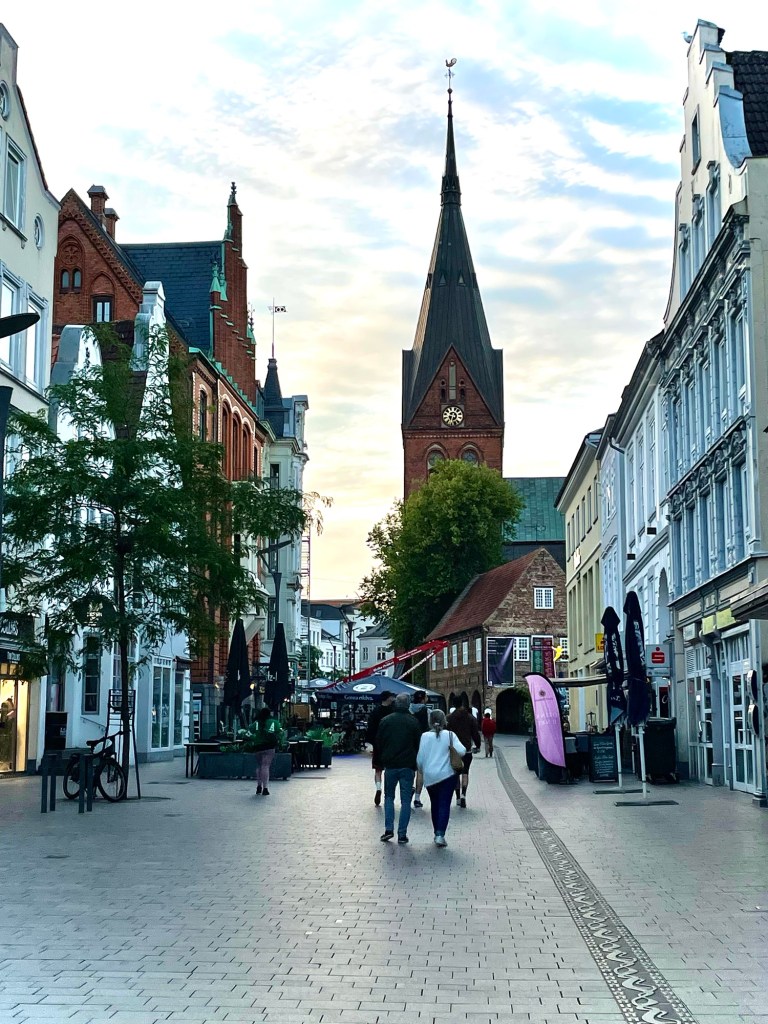
From Dortmund to visit our friends in Sweden, including breaks, takes about 12-14 hours. Finding this journey quite lengthy, we decided to camp at Campingplatz Jarplund in Flensburg, which is the closest city to the Danish border in Germany, for our first night. The campsite, costing 25 EUR per night, provided us with a spacious tent area. After setting up our tent, we headed to the center of Flensburg.
Seeing the marina from a distance and the large seagulls, Flensburg reminded me of my hometown, Izmir. I wished I had a simit to feed the seagulls. What impressed me most about the marina were the classic yachts, reminiscent of the 19th century, with a separate area allocated for them in the harbor. In this city known for its maritime history, you can take a stroll along the waterfront, visit the maritime museum, and enjoy a Flensburger beer produced locally.

2.DAY Arriving to Lund, Sweden
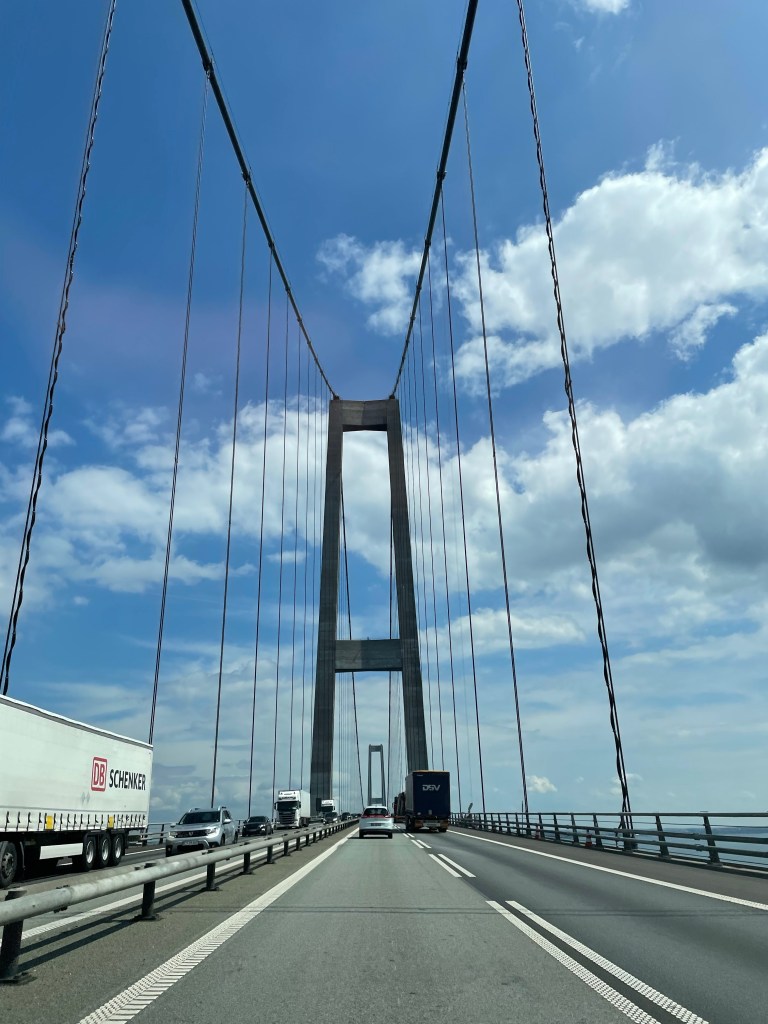
We quickly had breakfast at the campsite and hit the road. We completed the other half of the journey in 6 hours, passing through Denmark and crossing bridges until we reached Lund. The highways were calm on weekdays, but on weekends, they got a bit busier with rows of caravans. We spent the rest of the day catching up with our friends, ending it with a much-missed, lively raki gathering filled with conversations we had longed for.

3.DAY Helsingborg and Lomma Beach
It takes about 45 minutes by car from Lund to Helsingborg. Helsingborg is the second-largest city in the Skåne region after Malmö. Being a port city, it is also a stop for many cruise ships. The center of Helsingborg can easily be explored on foot. You’ll see many tourists, like myself, taking plenty of photos in front of historical buildings and along the coastline.

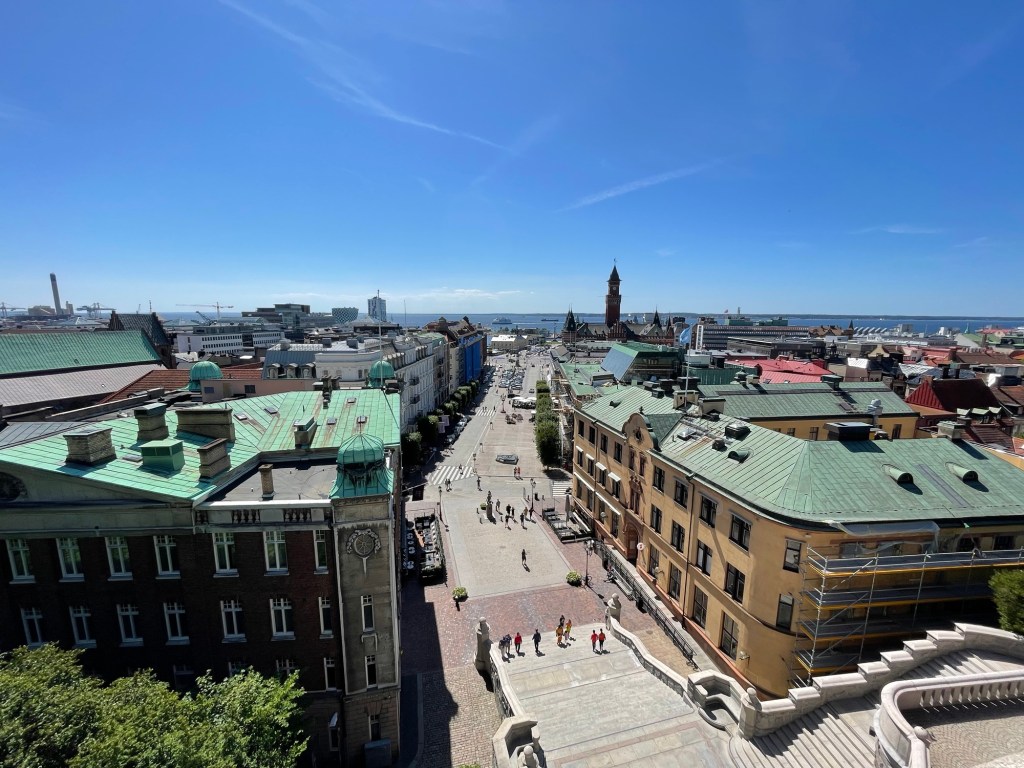

The Kärnan Tower, built in the 1300s by the Kingdom of Denmark, is located at a prominent point overlooking the city. The tower, standing at 35 meters tall, can be climbed to enjoy panoramic views of the area.
Dunkers Kulturhus, with its modern architecture on the waterfront, hosts theater, exhibitions, and music events.
In addition to these, you can visit the Fredriksdal Open-Air Museum, which depicts rural life in Sweden, and the City Hall (Radhuset), known for its striking red bricks.
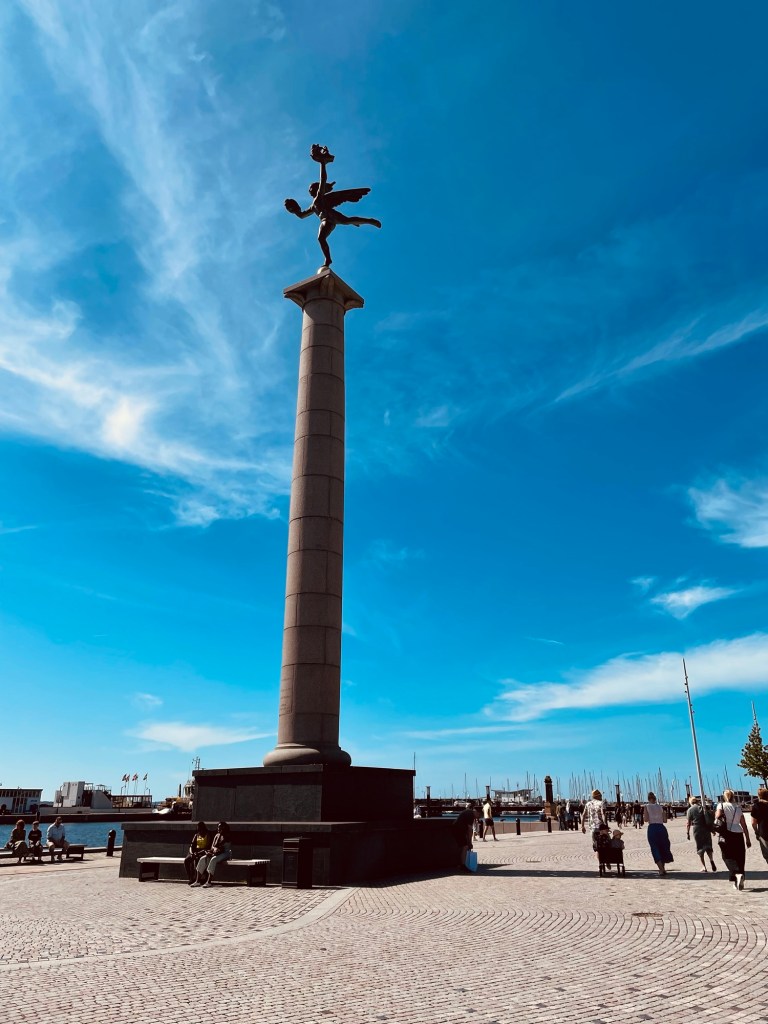
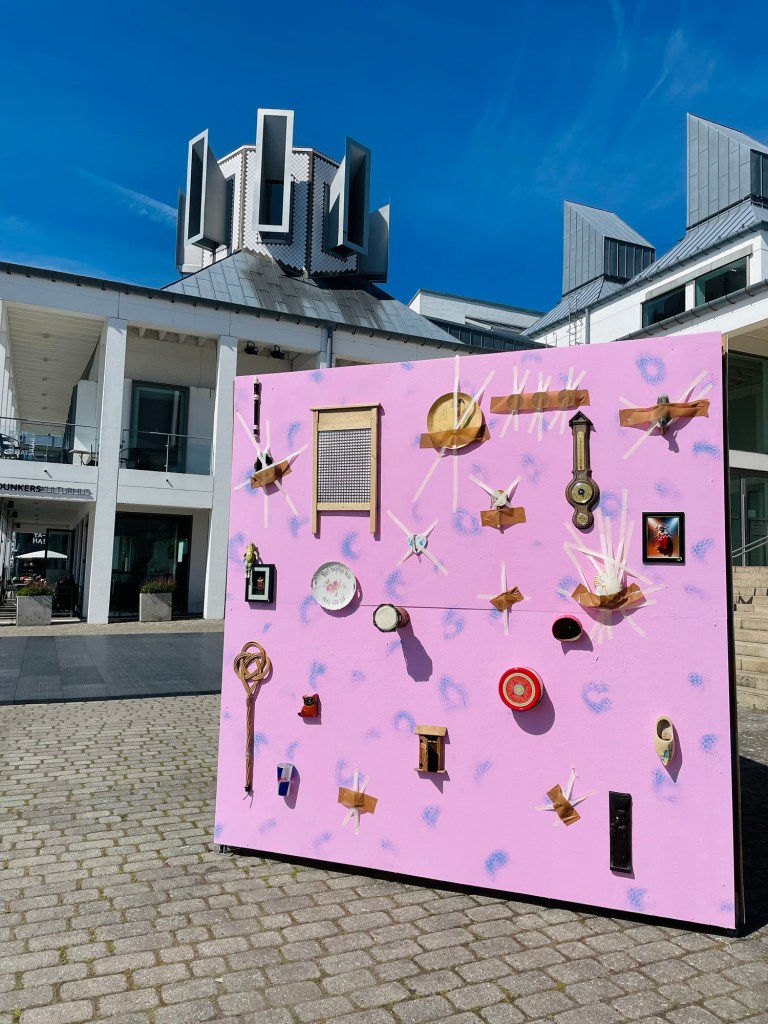
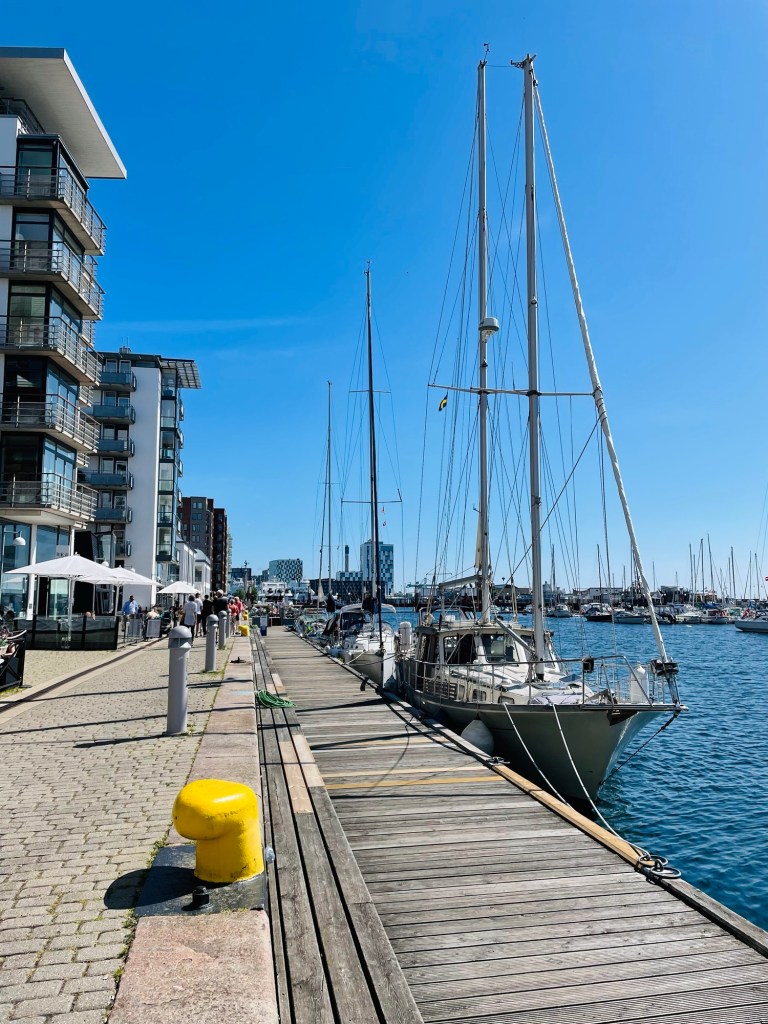
You can check out day trips departing from Helsingborg Harbor at the following link. If you wish to return to Denmark, you can find information about the 20-minute ferries here: https://www.forseaferries.com
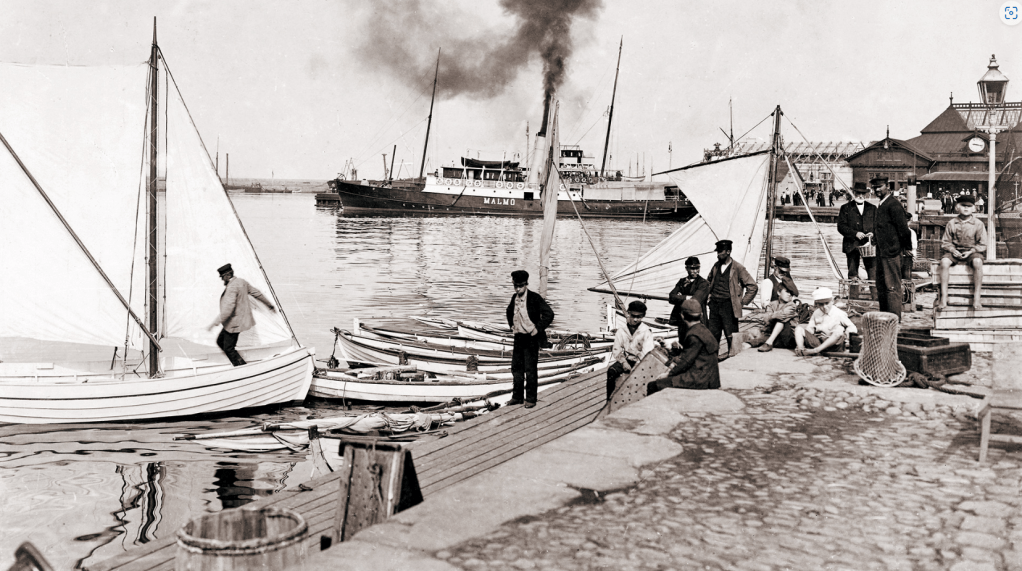
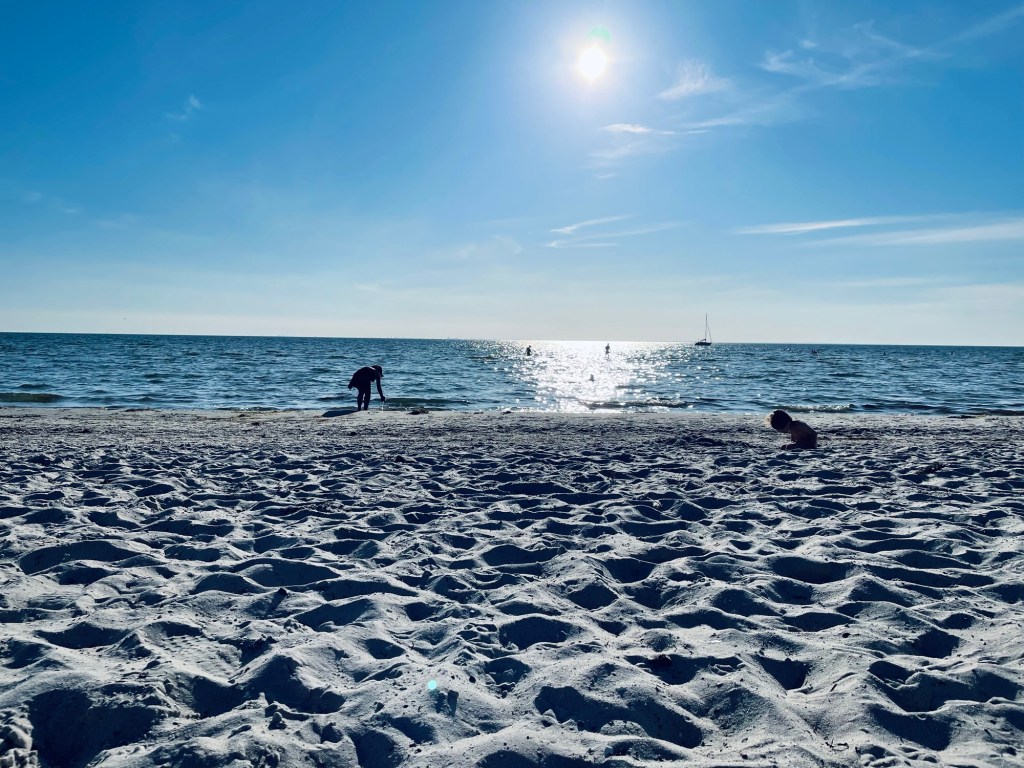
Lomma Beach
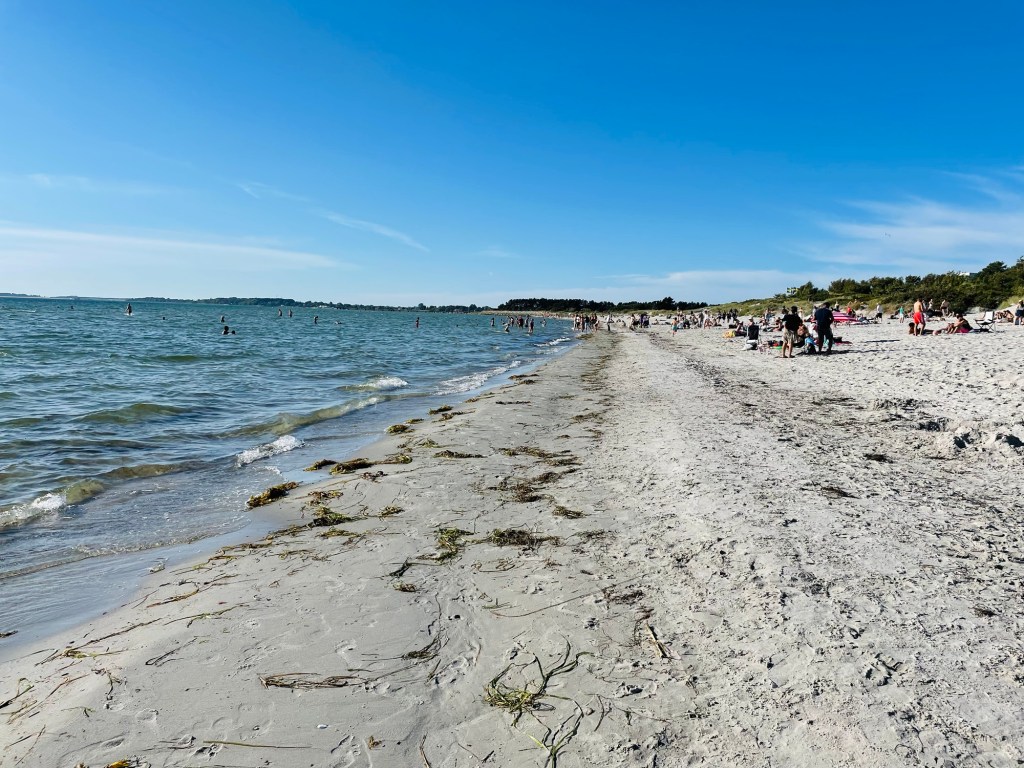
Wondering if we could swim in Sweden and based on our friends’ recommendation, we visited Lomma Beach in the late afternoon. Along the long shore, people had spread their towels on the fine white sand and were enjoying themselves. Each group played their own music, creating a lively atmosphere. The sea temperature was around 20 degrees Celsius, and the water was very shallow.
4.DAY Lund
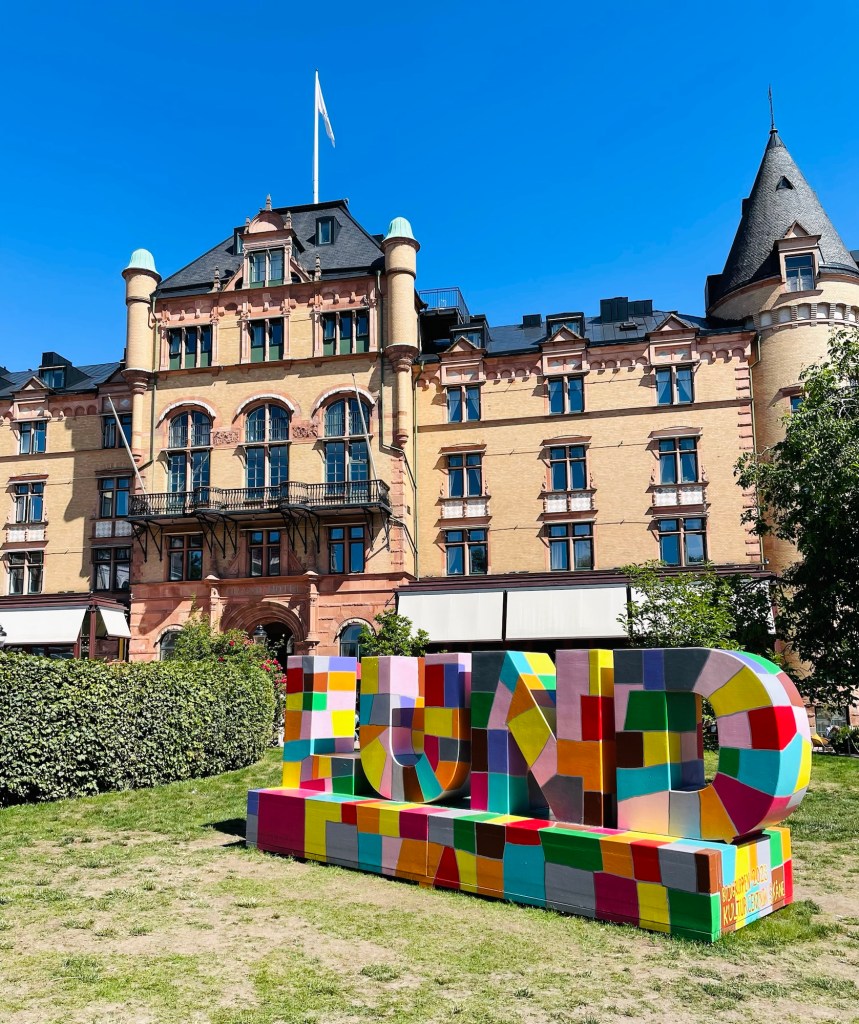
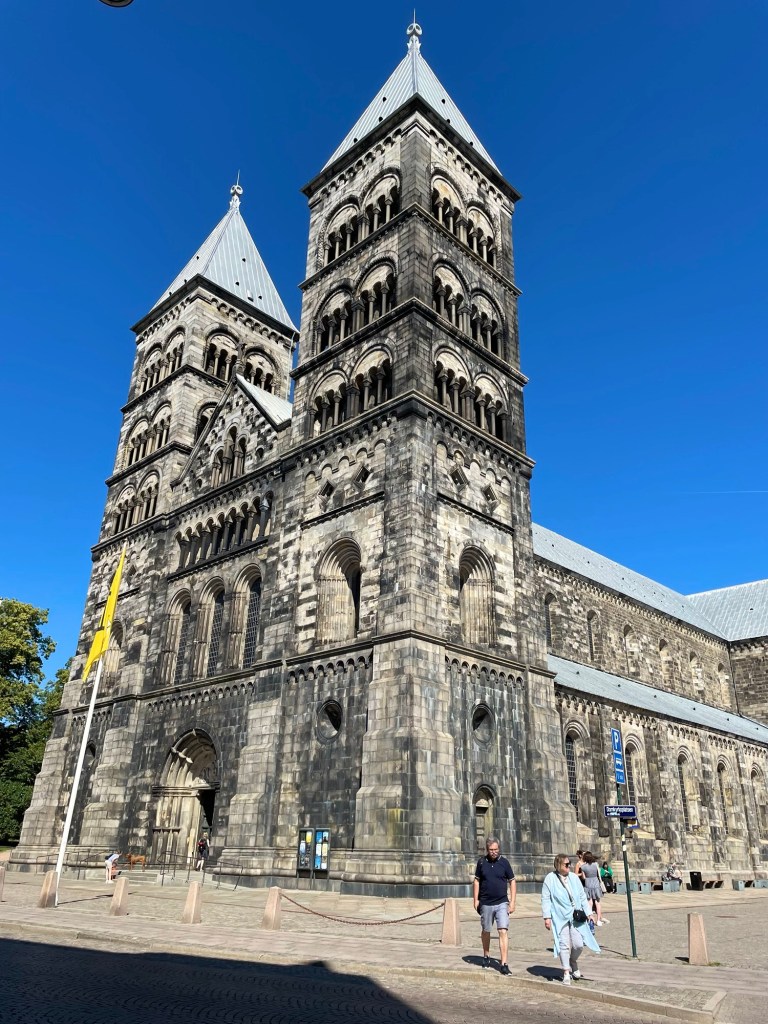
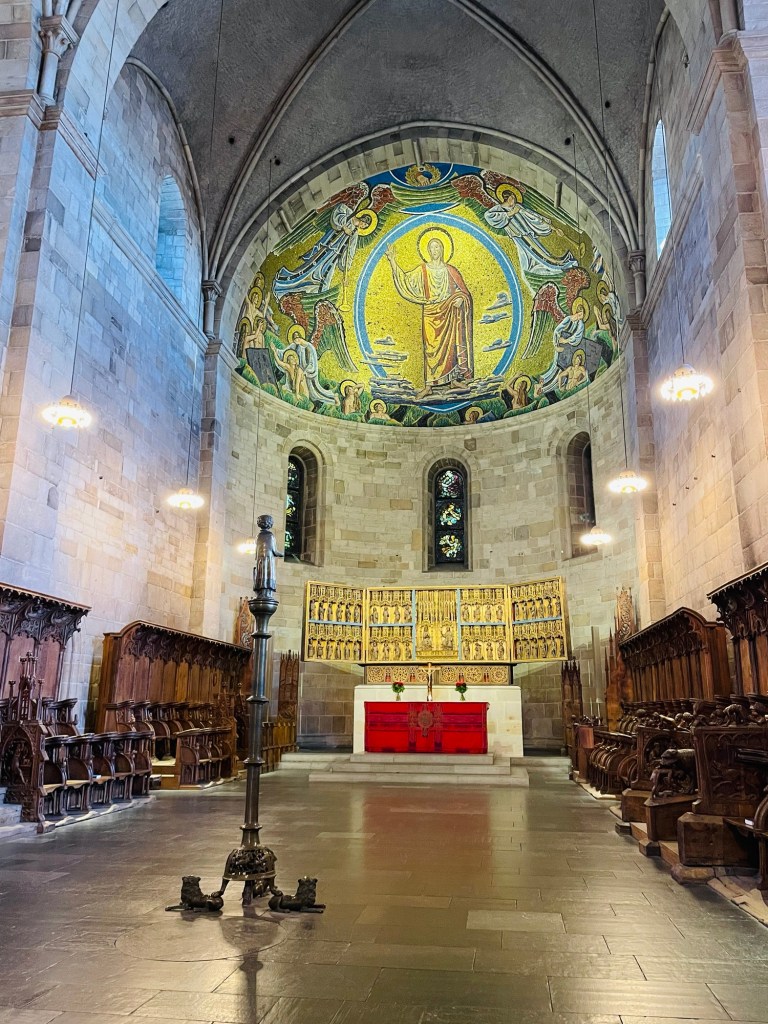
Lund is a charming and vibrant university town. Scandinavia’s oldest university was founded here in the 1400s. With its 900-year-old history and the famous Lund Cathedral housing the Astronomical Clock, along with the Botanical Garden and the Lund University Historical Museum, are the places worth visiting.
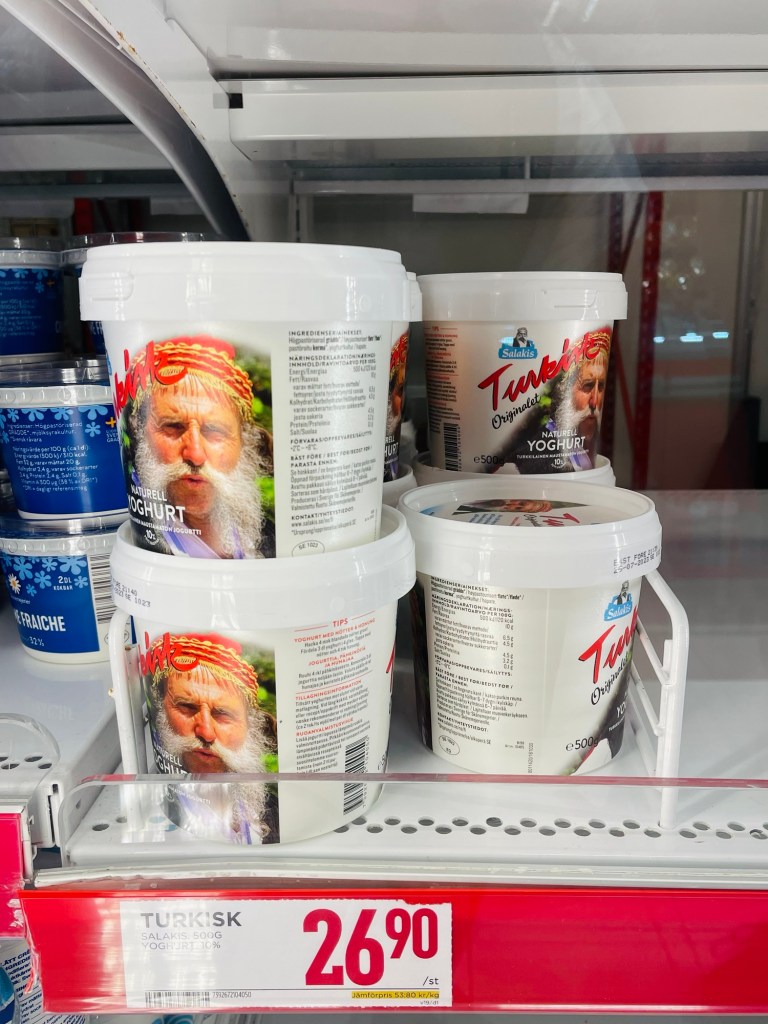
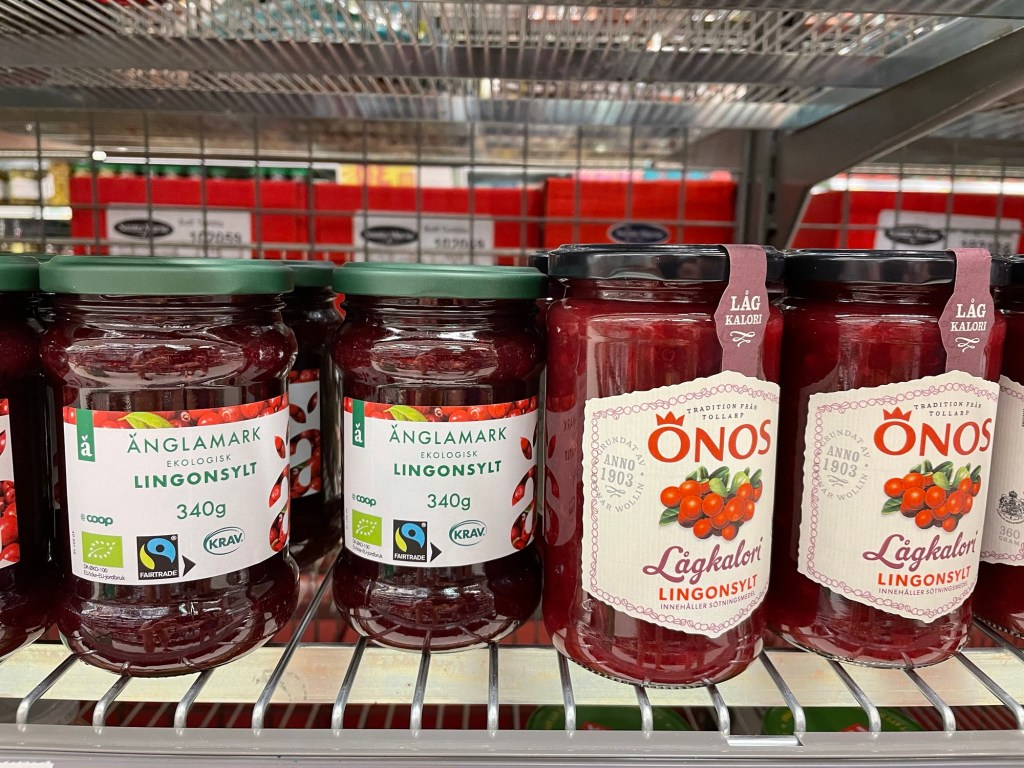
While wandering around Lund, we entered a grocery store and came across a yogurt brand with a mustached person on it. They were selling it as “Turkish yogurt,” perhaps using the image to reinforce the message 🙂 While in Sweden, it’s a must to try lingonberry jam. I enjoy eating it with Swedish meatballs. I even finished a jar of organic lingonberry jam during our travels.

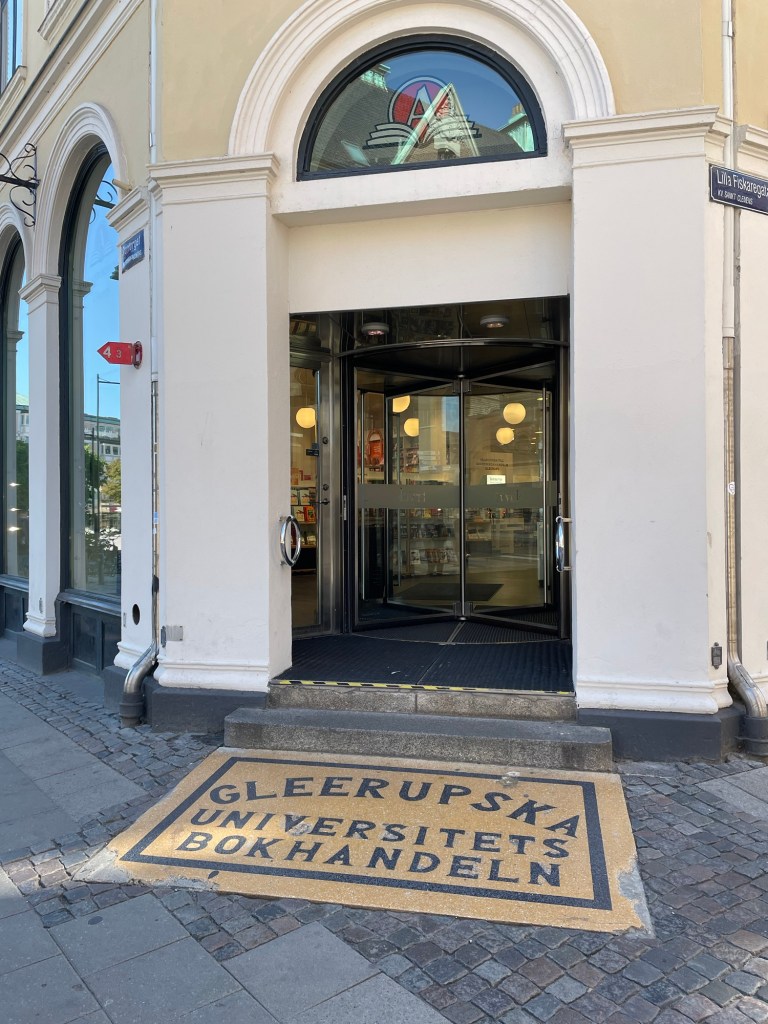
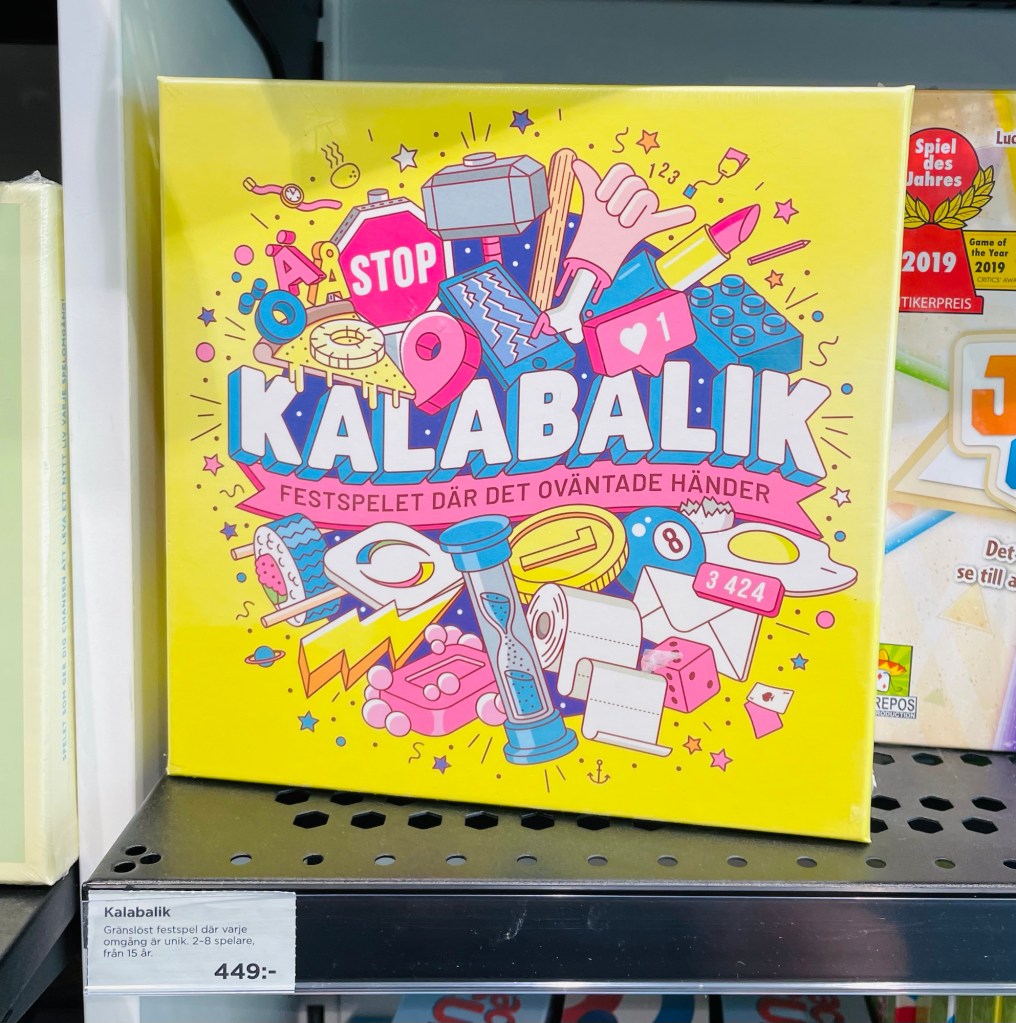
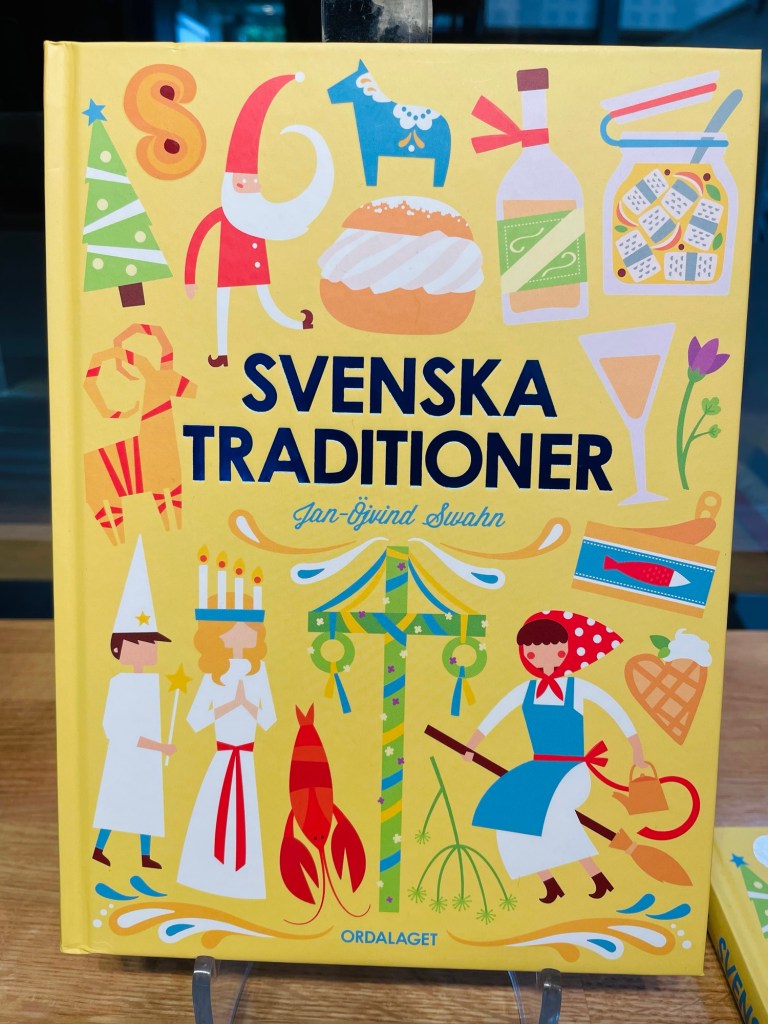
Akademibokhandeln became a favorite bookstore for me in Lund. They had books on Swedish culture and Scandinavian design. My friends had told me that the Turkish origined word “kalabalık” is used in Swedish with the same meaning. By chance, I came across a board game called “Kalabalik” in the bookstore.
5.DAY Åsnens National Park
Not all regions of Sweden are touristy, so while planning our trip, I came across this wonderful national park on the southern part of the country when browsing activities on https://visitsweden.com/. Åsnens National Park spans over 19km2 and includes around 1000 islands. Because its nature remains untouched, we were constantly surrounded by breathtaking scenery. The park offers camping areas, kilometers of bike trails, and water sports like canoeing. For detailed information on transportation, parking, tours, and bike rentals, you can visit: https://visitasnen.se/en
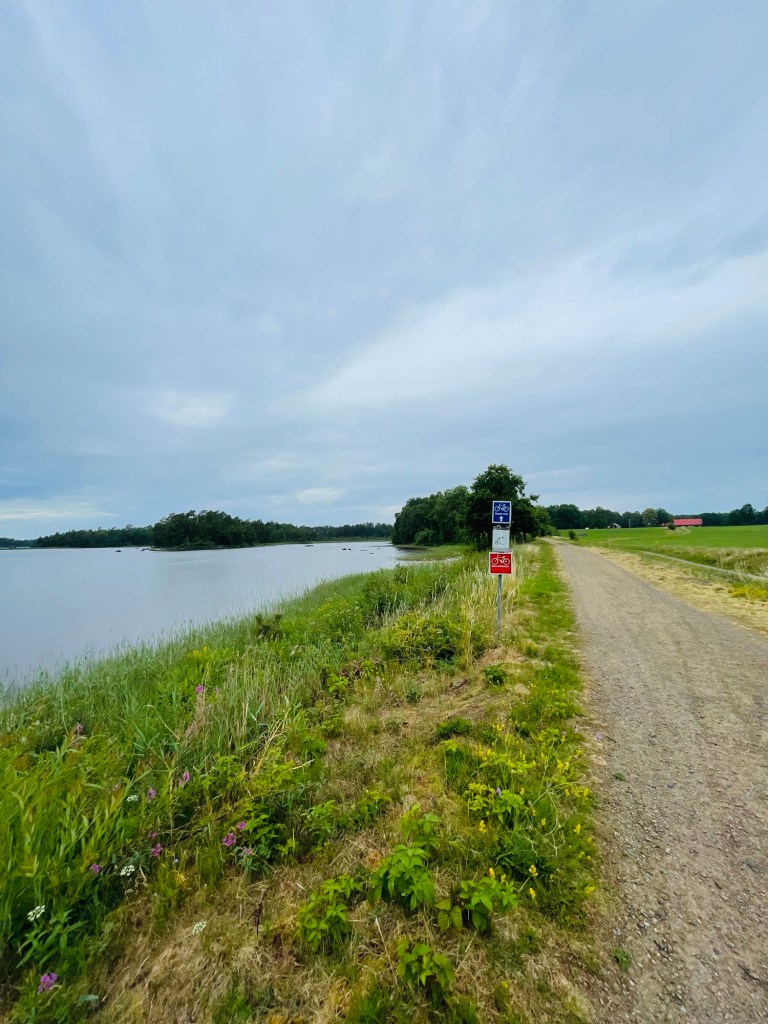

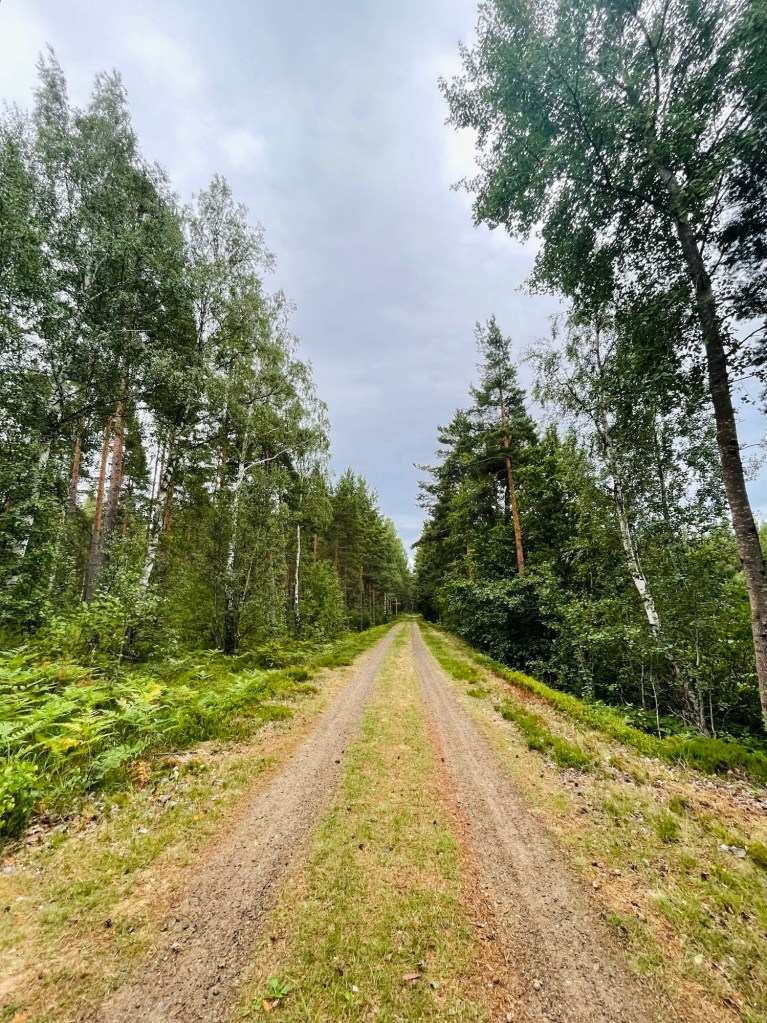
The sunny weather of the first days has already given way to clouds. Seems like that’s how summers are in Sweden. I forgot to mention earlier that bicycles accompanied us on this trip. Upon finding such magnificent scenery, we parked the car somewhere and toured the national park by bike. It will probably take 2-3 days to cover it all. Some parts of the bike trails wind through forests covered with different types of trees, while others run along the water’s edge. They say there used to be a train station in the park, now they display a wagon to remind of it. There are hardly any dining areas in the park, so don’t forget to bring your own food and drinks. While biking, we stumbled upon Getnö Gård campsite. Keep this in mind if you’re considering camping around here.

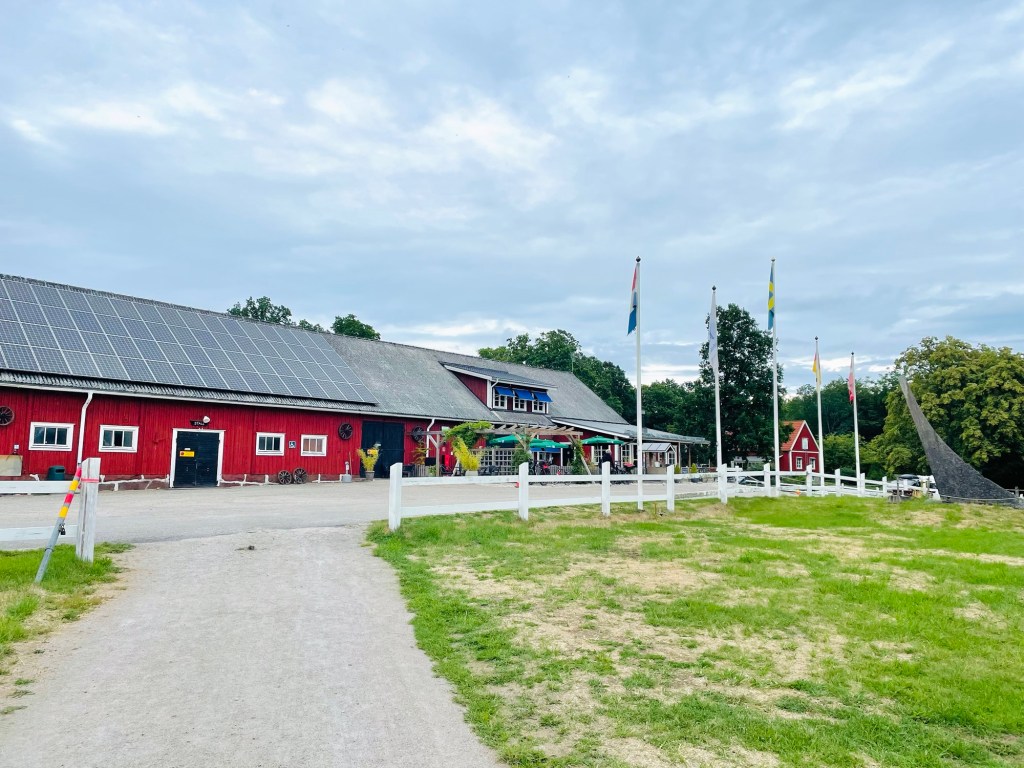

6.DAY Växjö, Teleborg, System Bolaget
Växjö
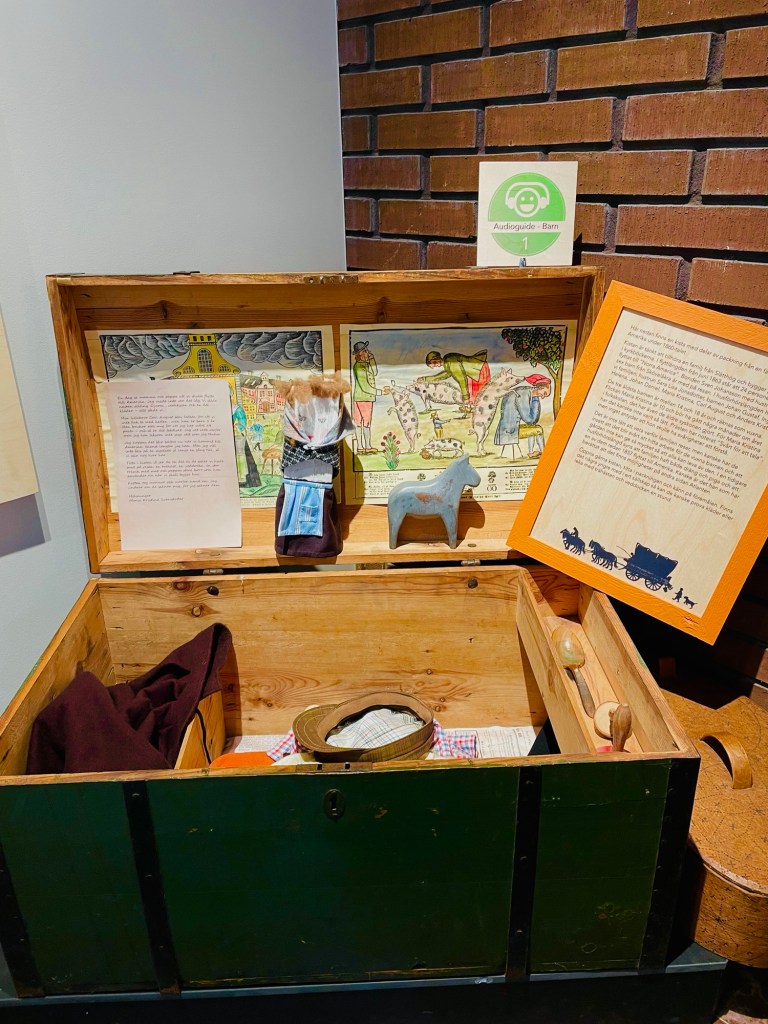
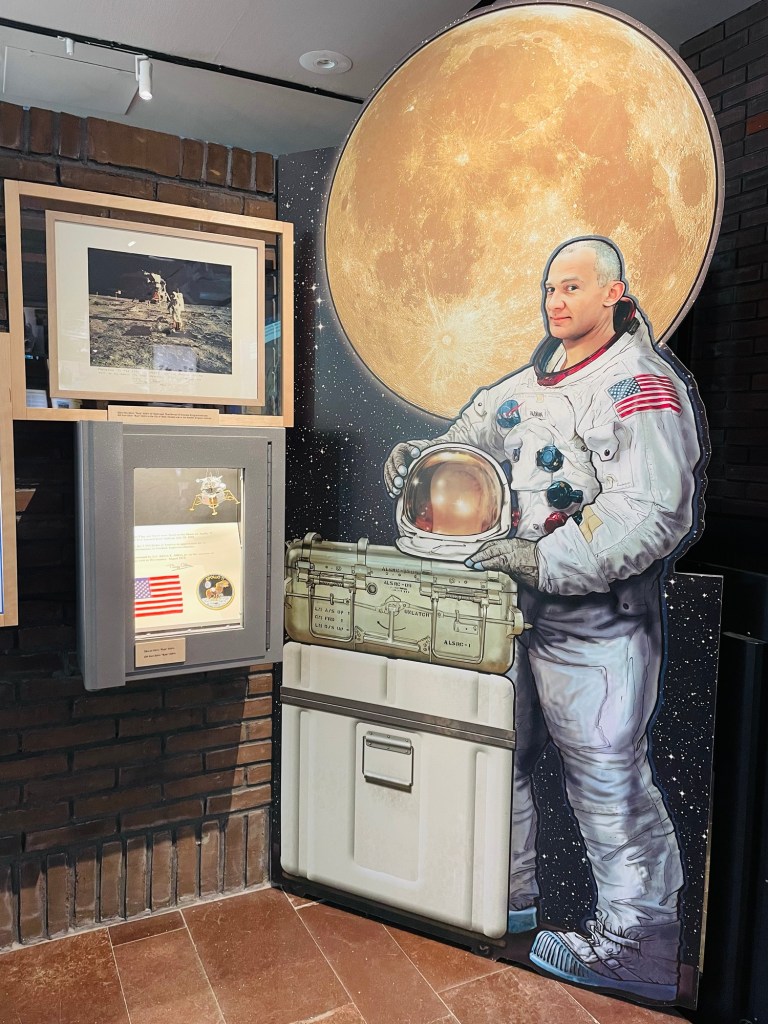
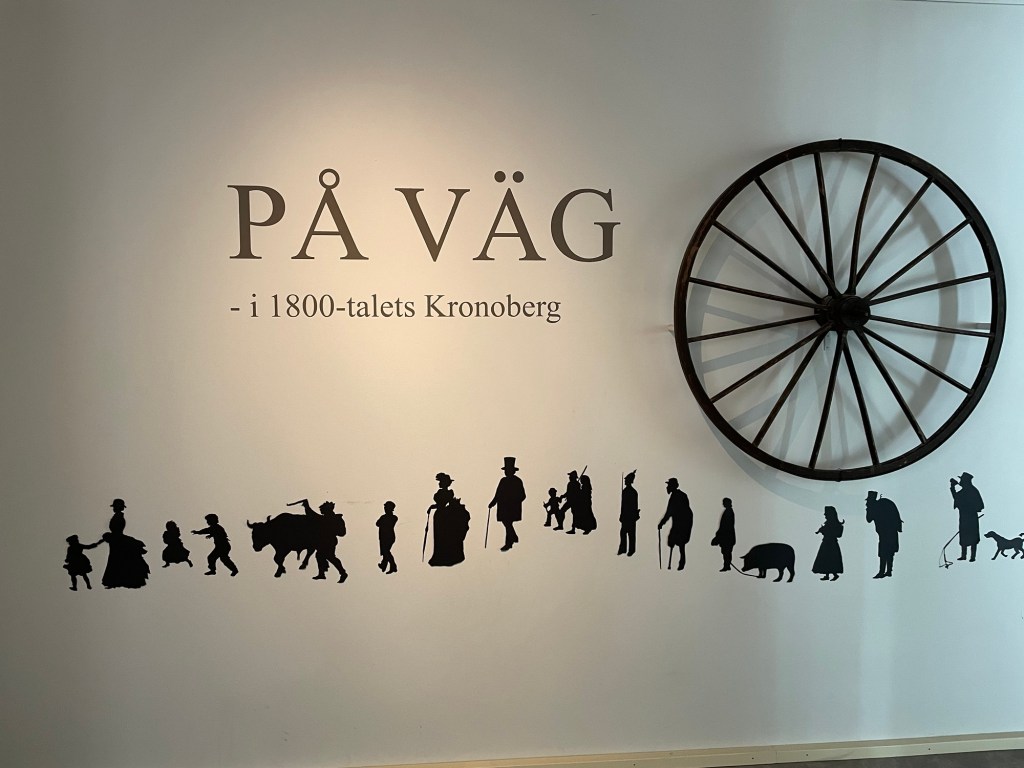
Our tour in Växjö, the capital of Kronoberg County, began with a visit to The House of Emigrants. Sweden, a country that has sent millions of emigrants to America since the 1840s, has deemed it important to have a museum dedicated to their own migration history. Inside the museum, the suitcases and belongings used during migration were quite striking. After all, what would one want to take along on a journey with an uncertain destination? Did you know that Ingrid Bergman, Buzz Aldrin, and Greta Garbo are among the Swedish-American descendants? Lastly, if you’re interested in delving deeper into this topic, you can explore Vilhelm Moberg’s (1898–1973) “The Emigrants” novel series. The entrance fee to the museum is 150 SEK (13 EUR), and with the same ticket, you can also visit the other two museums I’ll mention below.

It’s interesting to note that the Kronoberg region of Sweden was once referred to as the “Crystal Kingdom.” At the Sweden Glass Museum, they showcase excellent examples of how glass has been crafted throughout the centuries. And of course, they haven’t forgotten to include the Absolut Vodka bottle 🙂
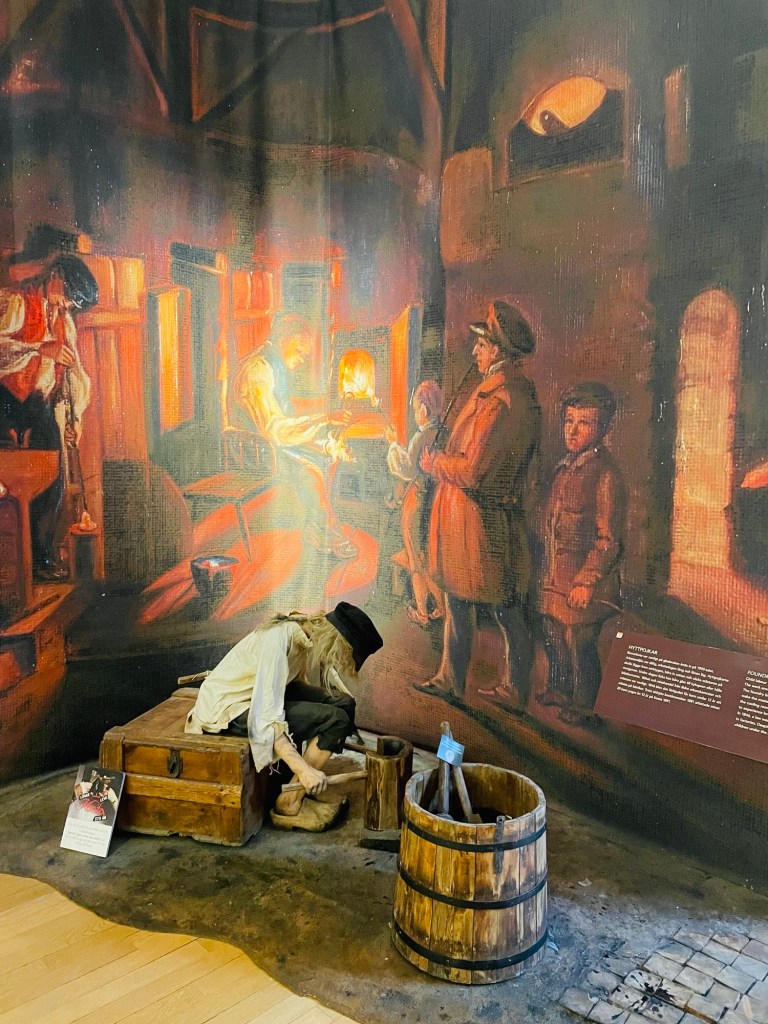
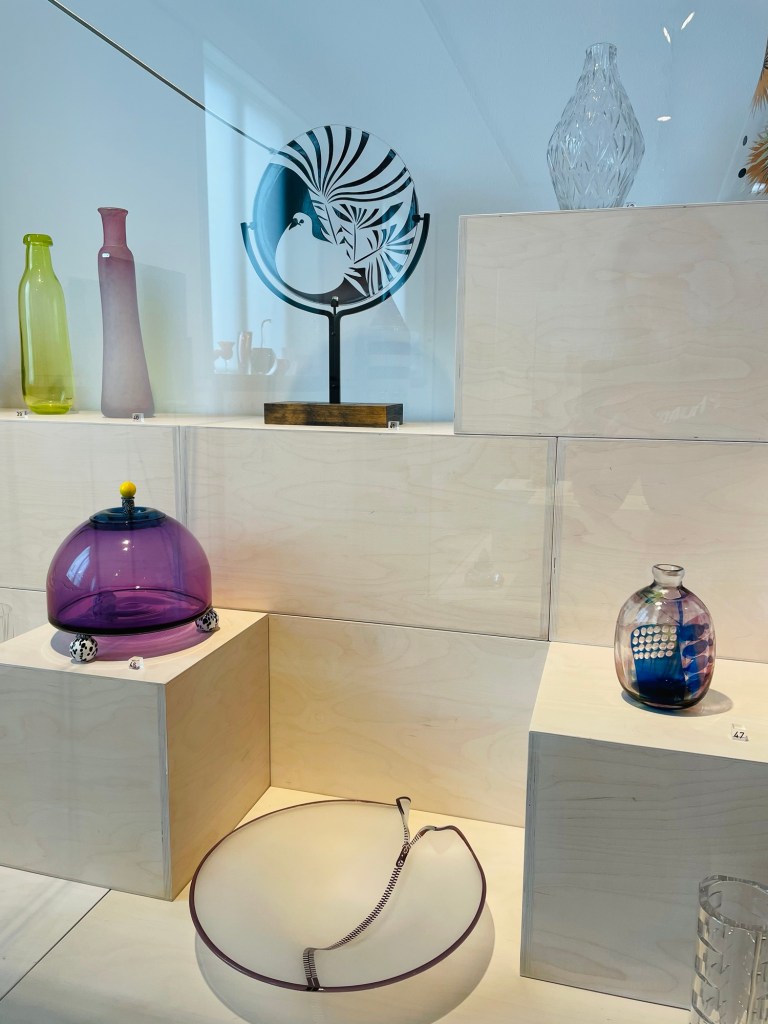
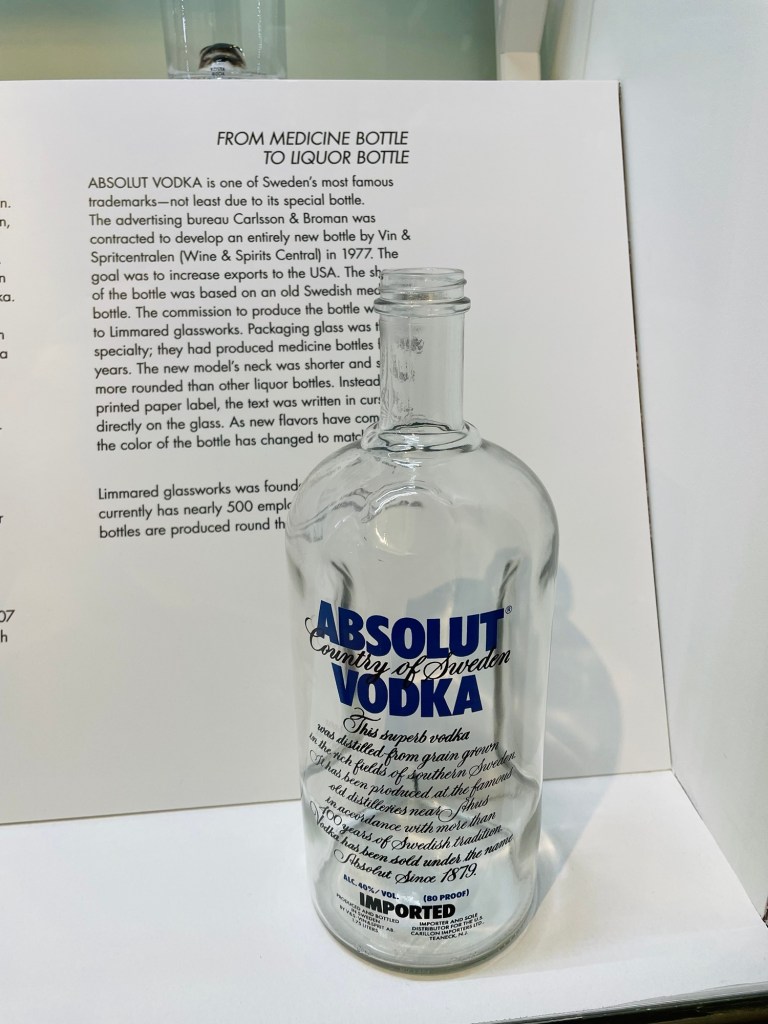
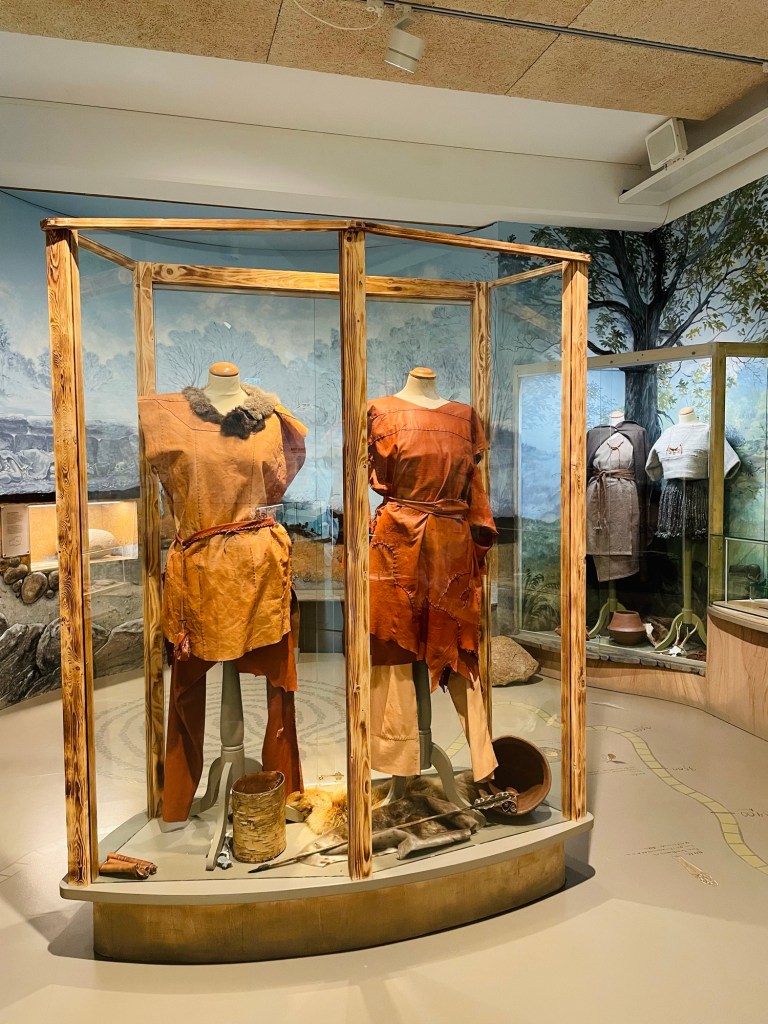
Our final stop was at the Smålands Museum, where they vividly portray prehistoric life and predominantly narrate the history of the Kronoberg region.

Teleborg
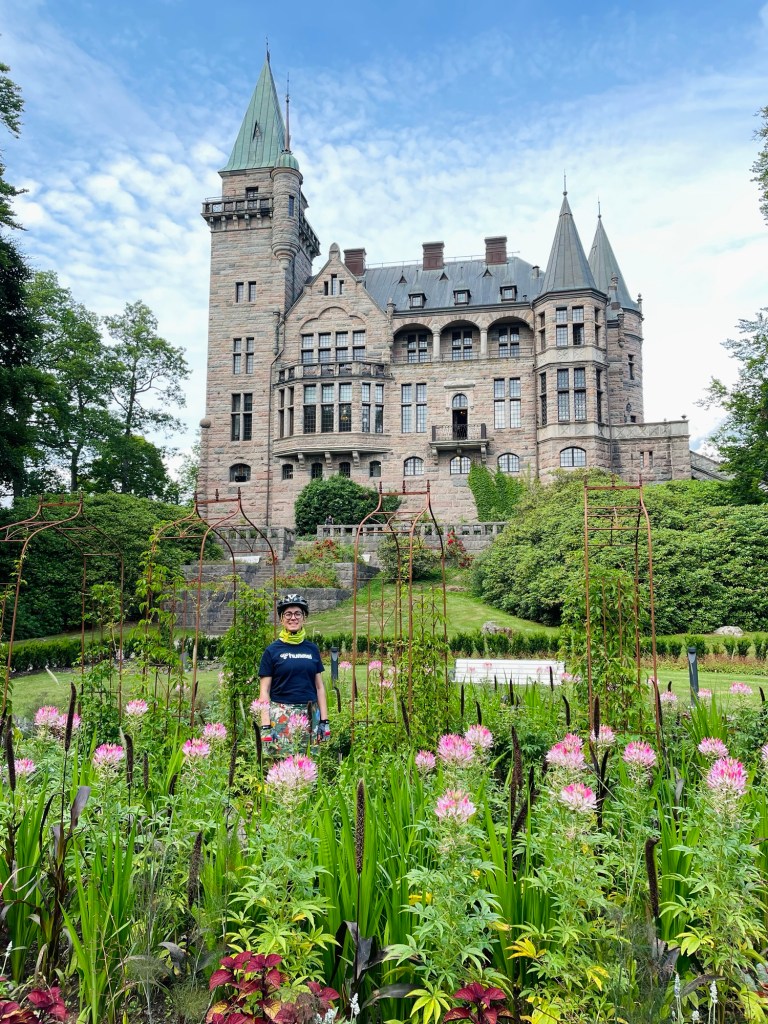
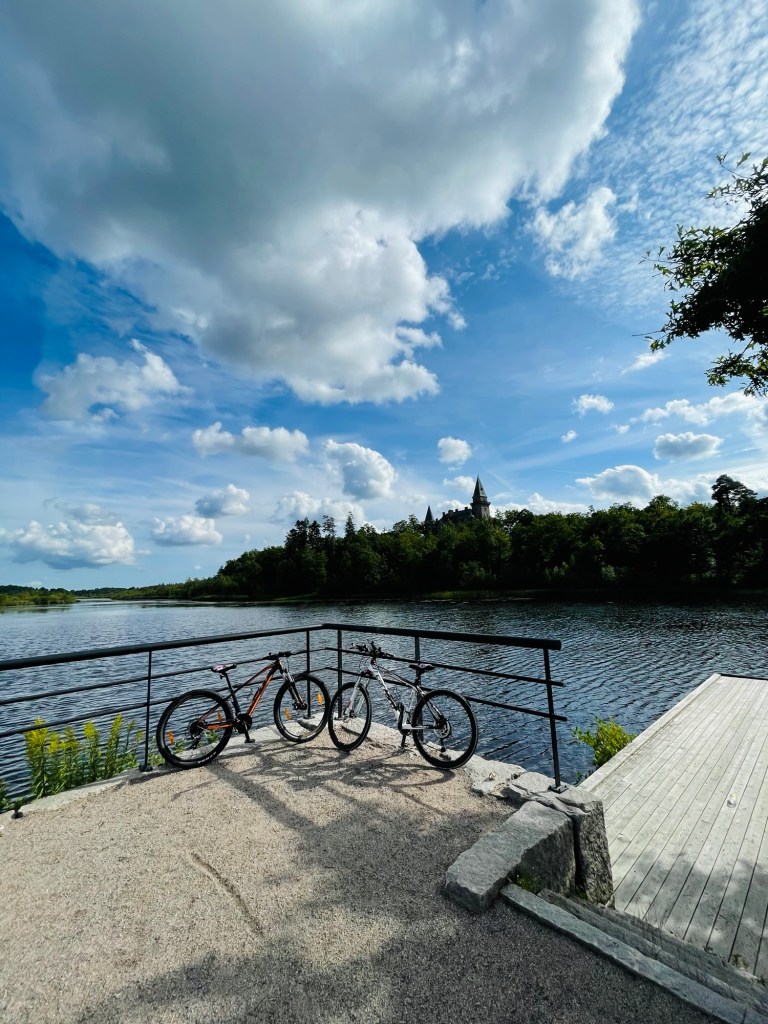
After exploring the museums and taking a breather in the center of Vaxjö, we hop on our bikes and head to Teleborg Castle, enjoying the lake view along the way. Built in the early 1900s by a wealthy count, this castle, which I initially thought was a medieval masterpiece, surprises with its architectural style. The castle boasts a small but beautifully landscaped garden.
System Bolaget
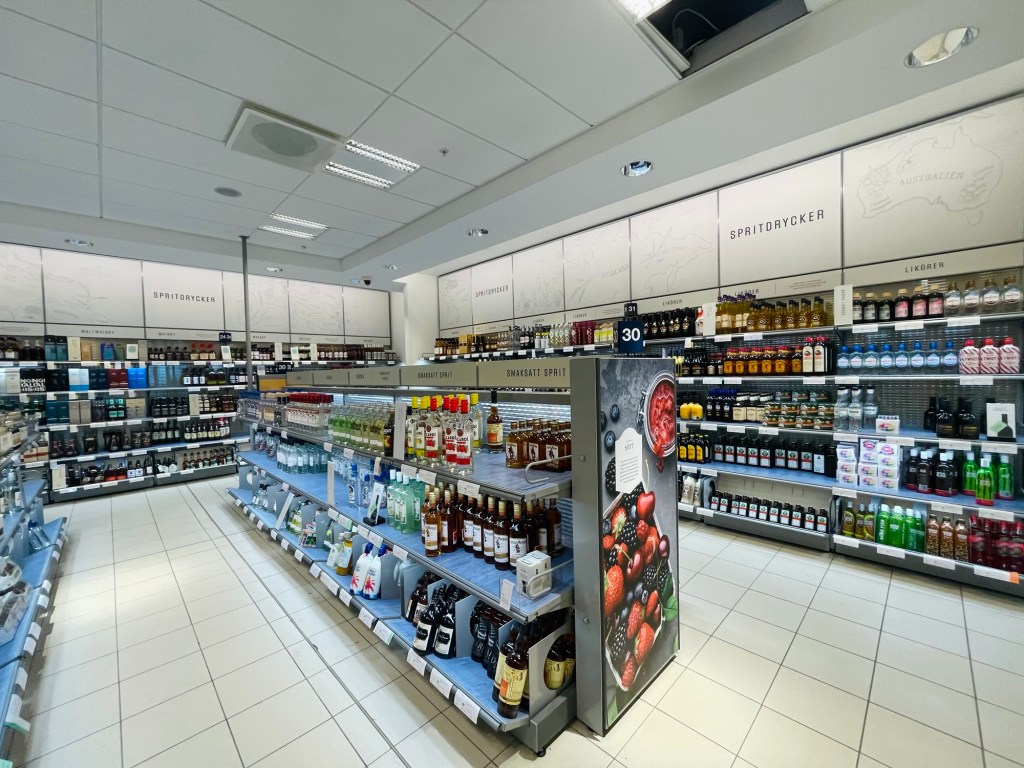
As we headed back from Teleborg, we couldn’t help but think about Systembolaget, which we’ve heard so much about. In Sweden, supermarkets can only sell alcoholic beverages with a maximum alcohol content of 3.5%. For beverages with higher alcohol content, the only option is Systembolaget, a state-controlled monopoly. These stores usually close around 7 pm, also closed on Sundays. Inside, you can find a wide range of alcoholic drinks, and if they don’t have what you’re looking for, you can place an order. We went in and shopped as if it were a regular supermarket, and contrary to what we’ve read on various forums, nobody asked us for ID or passport.

7.DAY Älmhult and IKEA Museum
We continue our Sweden trip in Älmhult, which is identified with IKEA. This small city has a huge lake, camping area and bicycle paths. The lake offers wonderful visuals at sunrise and sunset.

Ingvar Kamprad, the founder of the IKEA brand, opened the first store in 1958 in Älmhult. This first store is now a museum. The museum has not only IKEA history but also temporary exhibitions on Swedish history or design. You can watch my video for a museum tour:
8.DAY Malmö, Copenhagen and Camping in Denmark
Malmö
Before leaving Sweden, we visited Malmö, the third largest city of the country. We parked the car in the car park of Malmö Castle and after seeing the castle from the outside, we dived into the streets. If you have time, you can visit Malmö Museum and Art Museum in the castle. It is a very photogenic city with brick buildings and colourful houses. Patterned slippers (clogs) with thick soles attracted my attention in front of a shop. In the 19th century, they were sturdy and comfortable slippers contrary to their appearance worn by workers in the fields. If you want to buy a gift for yourself, you can find shops selling only clogs in Sweden.
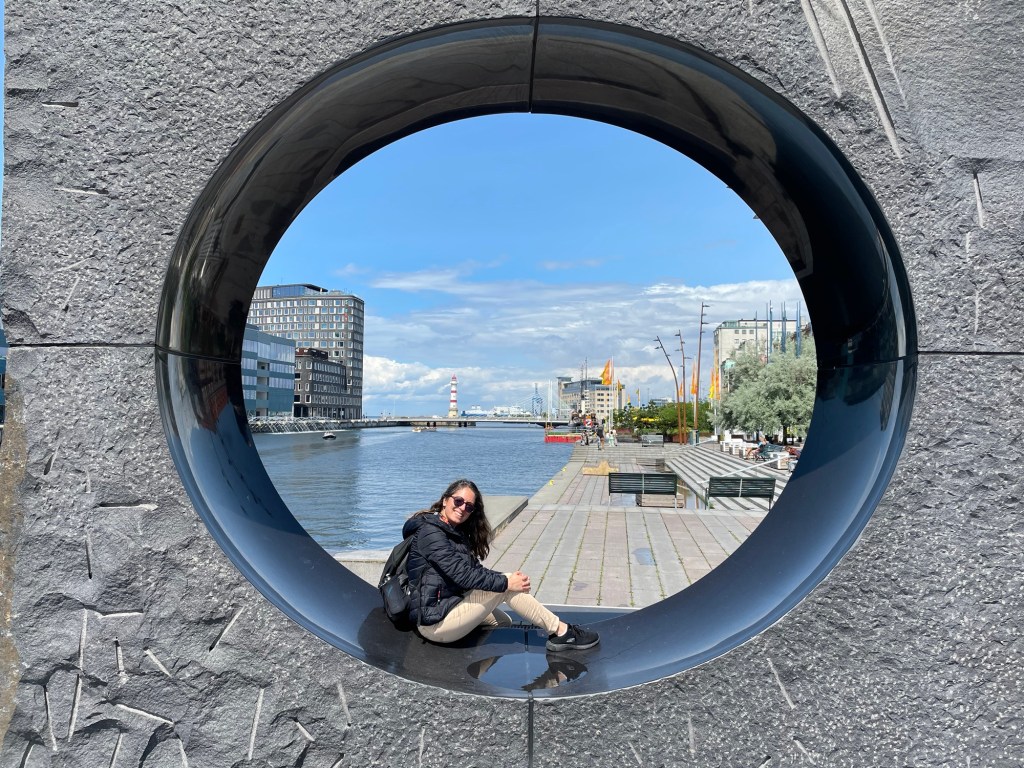
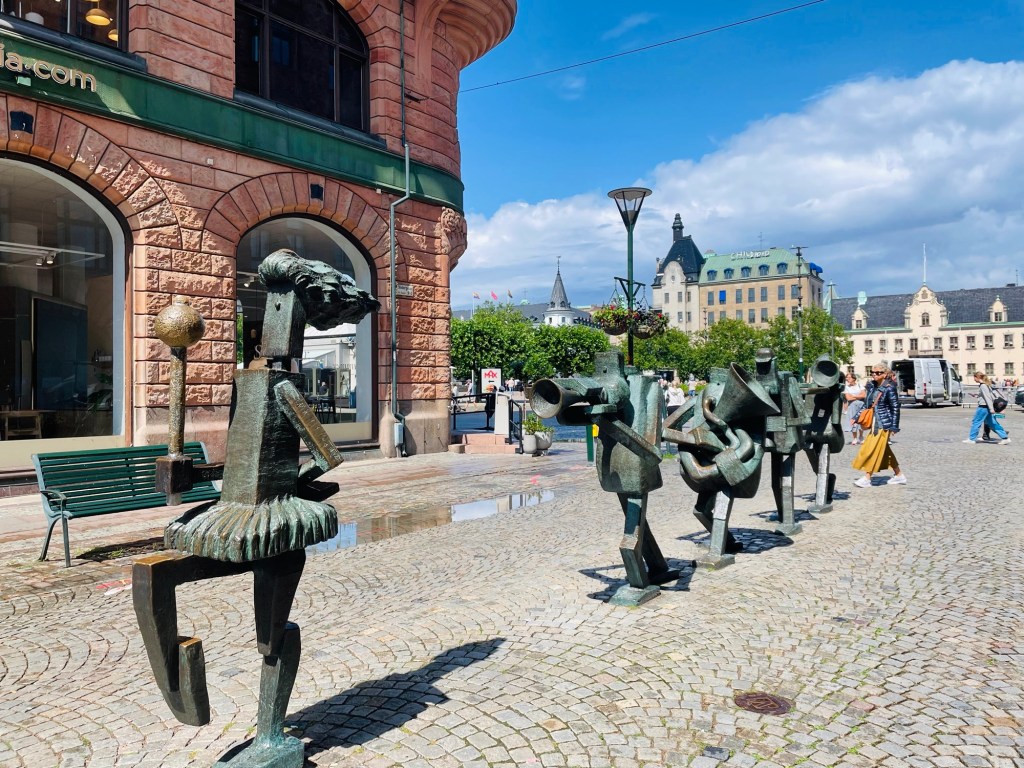

Since we had little time, we visited the following places and continued on our way after a coffee break.
Utblick / Insikt Sculpture: The lighthouse can be seen through the elliptical sculpture opposite the railway station, in which everyone sits and takes photos. Water flows from the Insikt statue next to it and the silhouette of the city appears here. There are different sculptures on the streets of Malmö.
Stortorget Square: There is a statue of King Gustav X in the square in front of Malmö City Hall. This king is known for ending the war between Sweden and Denmark in the 1600s.
Form/Design Center: This free-to-enter design museum has a café and a shop.
Lilla Torg: It is a cosy square with cafes and seating areas around it.
Historical Tram No 3 : You can visit the city by the historic tramway, which is only open on weekends during the summer months. https://www.mss.se/
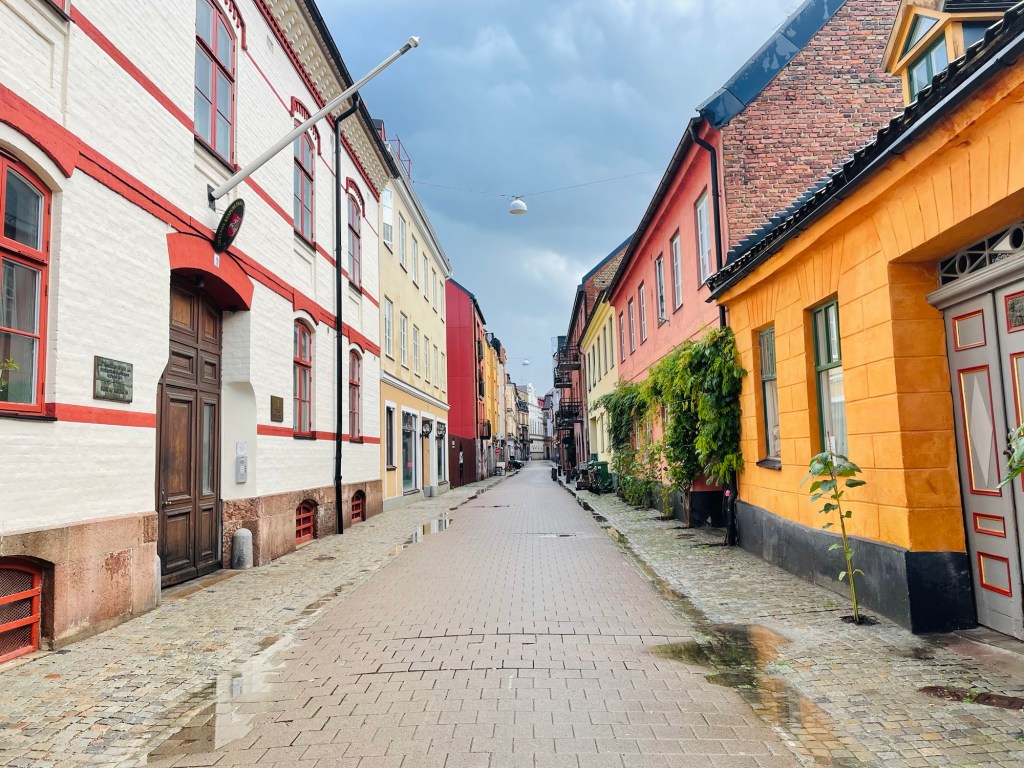
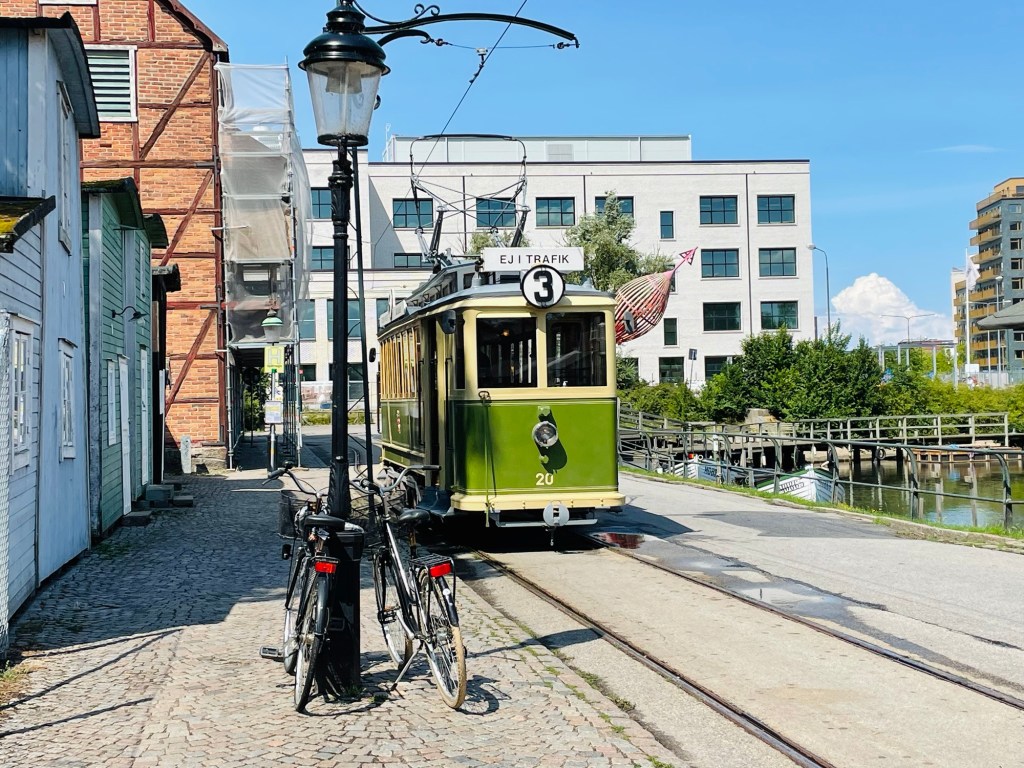

Copenhagen
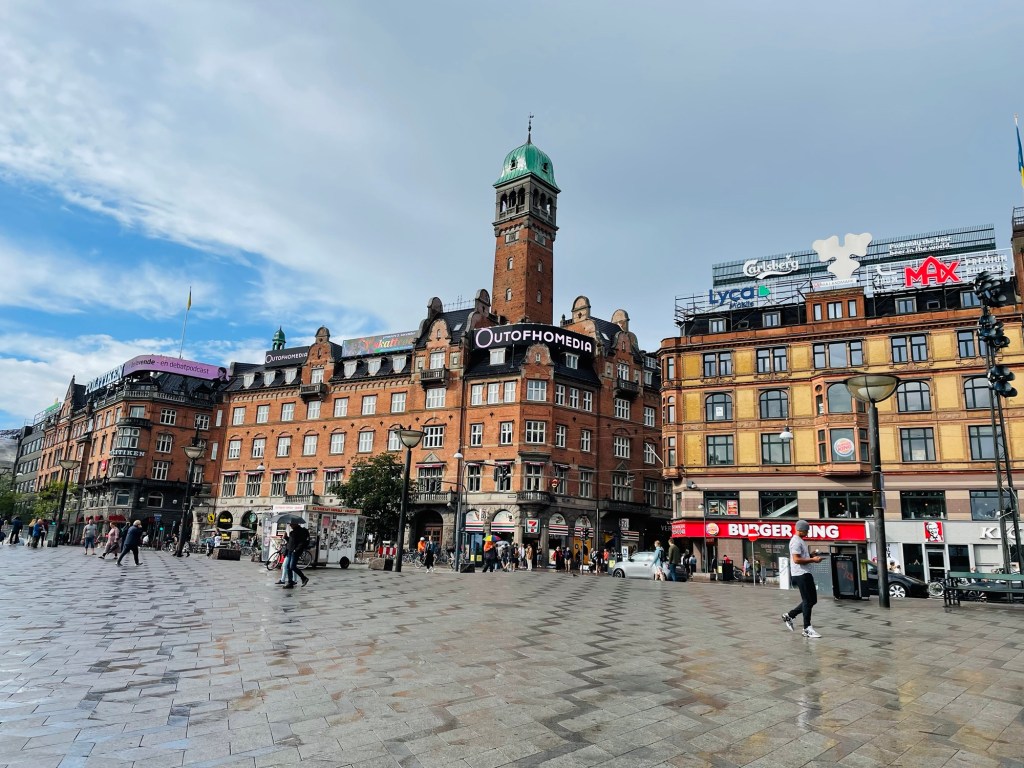
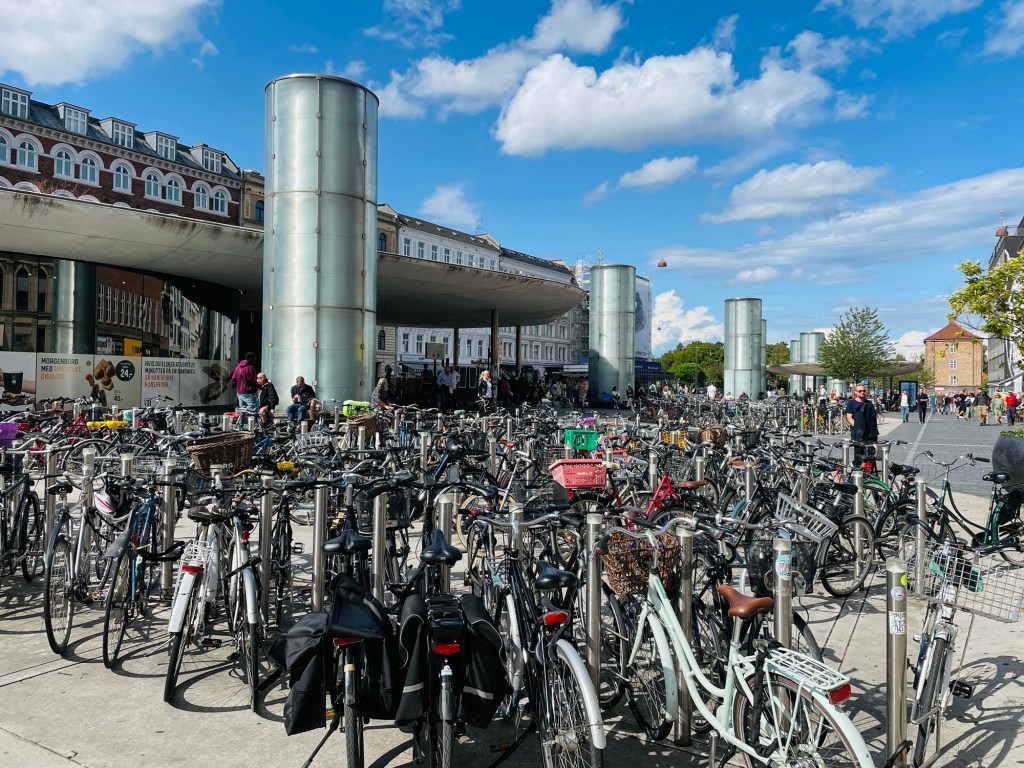
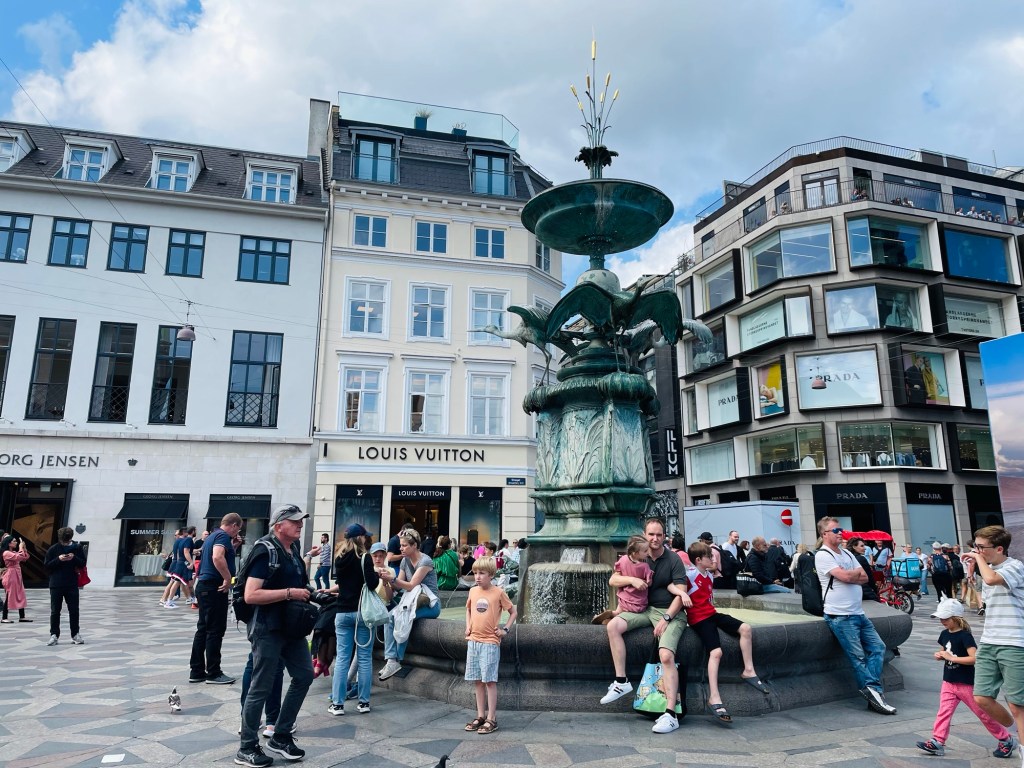
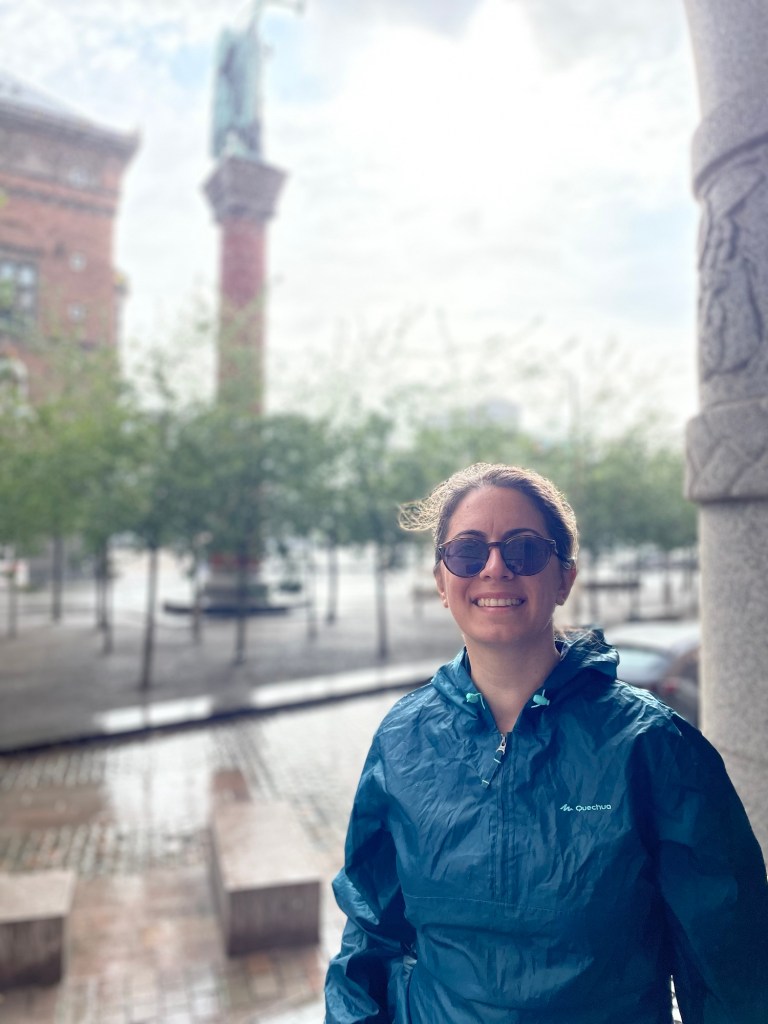
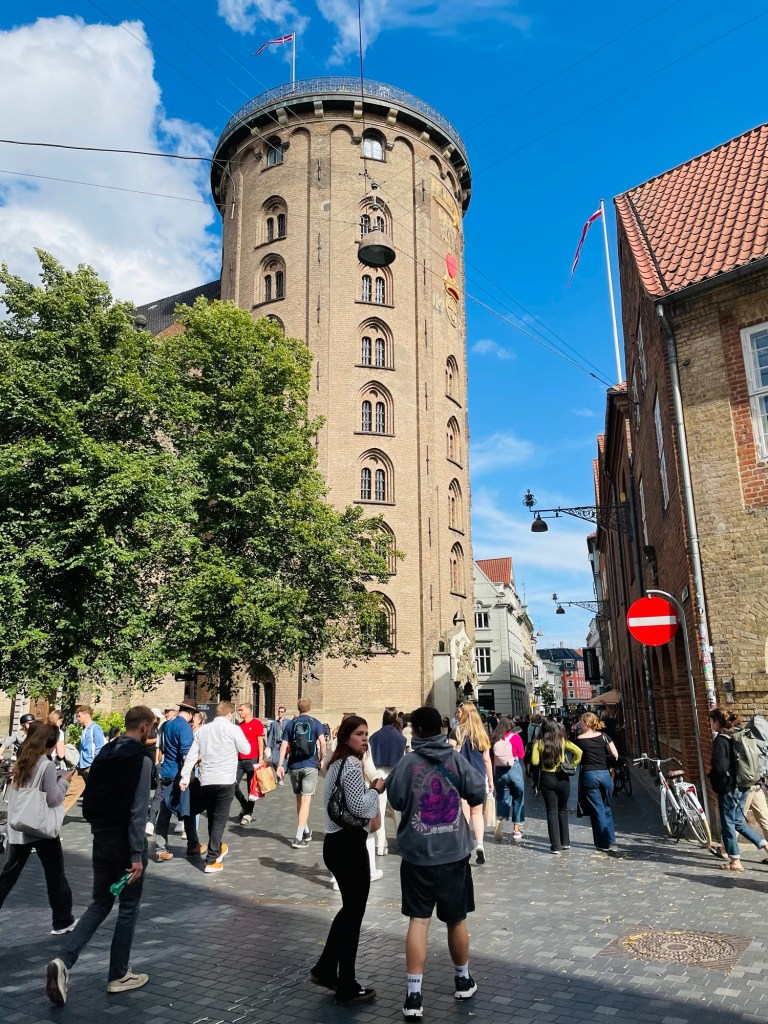
After a short 50 minute drive we arrived in Copenhagen for lunch. We walked around the streets and went to Torvehallerne, a large market with local delicacies. After getting a little wet in the pouring rain, we tried to dry off in the blazing sun and set off for the last stop of the day.

Camping in Denmark
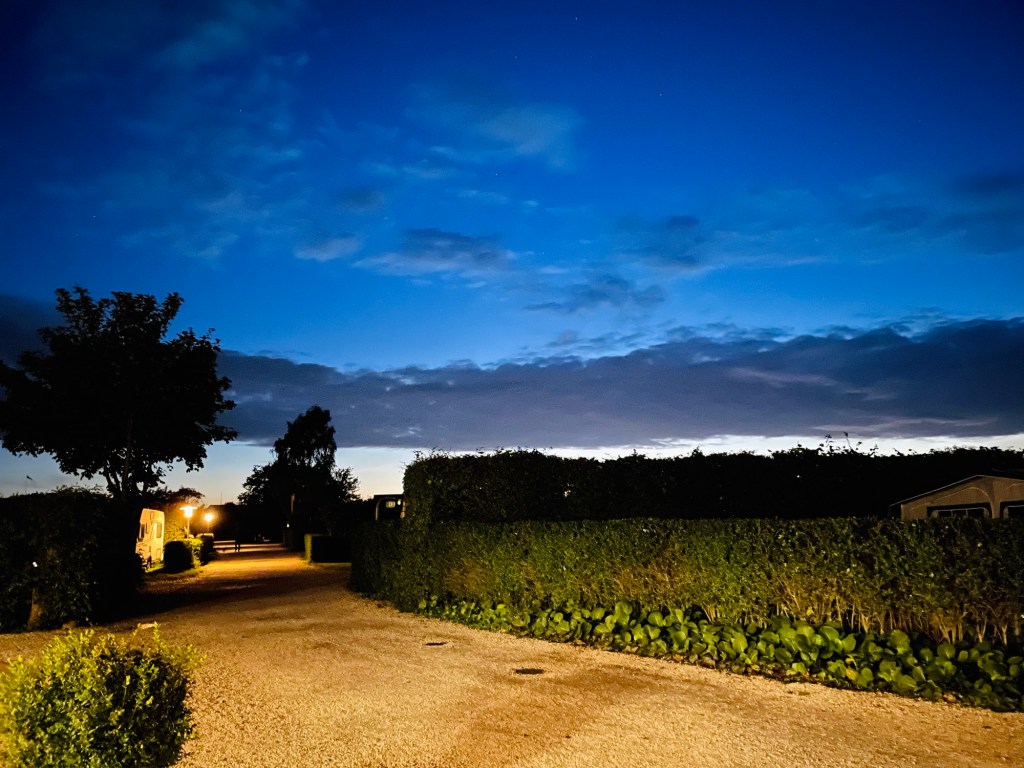
In the evening we travelled through small settlements with a sea view and arrived in Kerteminde on the Funen Island of Denmark. This is a charming seaside town by the sea. We pitched our tent at Kerteminde Camping. We were one of the two tents in the camping area, as everyone prefers caravans in the north. The common areas of the camp were so clean, the kitchen looked as if it had never been used, I was amazed. This camping costs 200 DKK per night, about 27 EUR.


9.DAY Odense and Cycling Tour
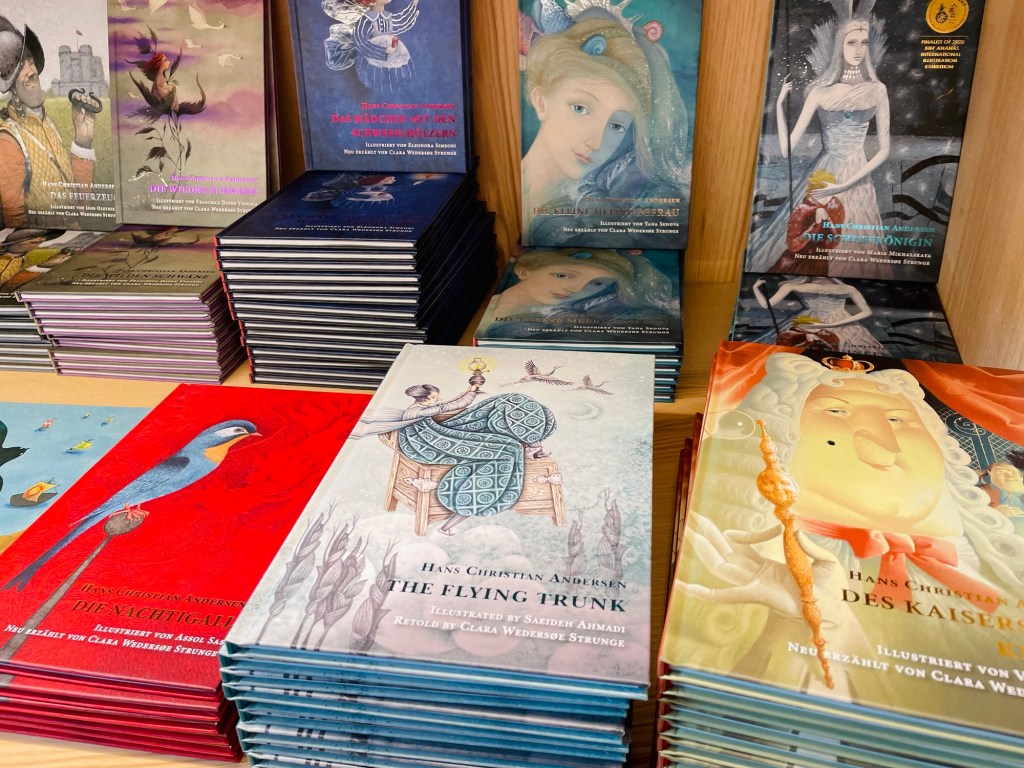
We came to Odense, the third largest city of Denmark after the capital, famous for Andersen’s fairy tales. The first stop was the Andersen Museum, the house where Andersen lived. As we found the sunny weather, instead of entering the museum, we bought a book from the museum and sat in the cafeteria in the garden. Andersen, who wrote fairy tales that we all remember such as The Ugly Duckling, The Little Match Girl, The Steadfast Tin Soldier and The King’s Clothes, actually led a hard life. The works of Andersen, who gained the fame he expected later, are among the books translated into the most languages in the world.
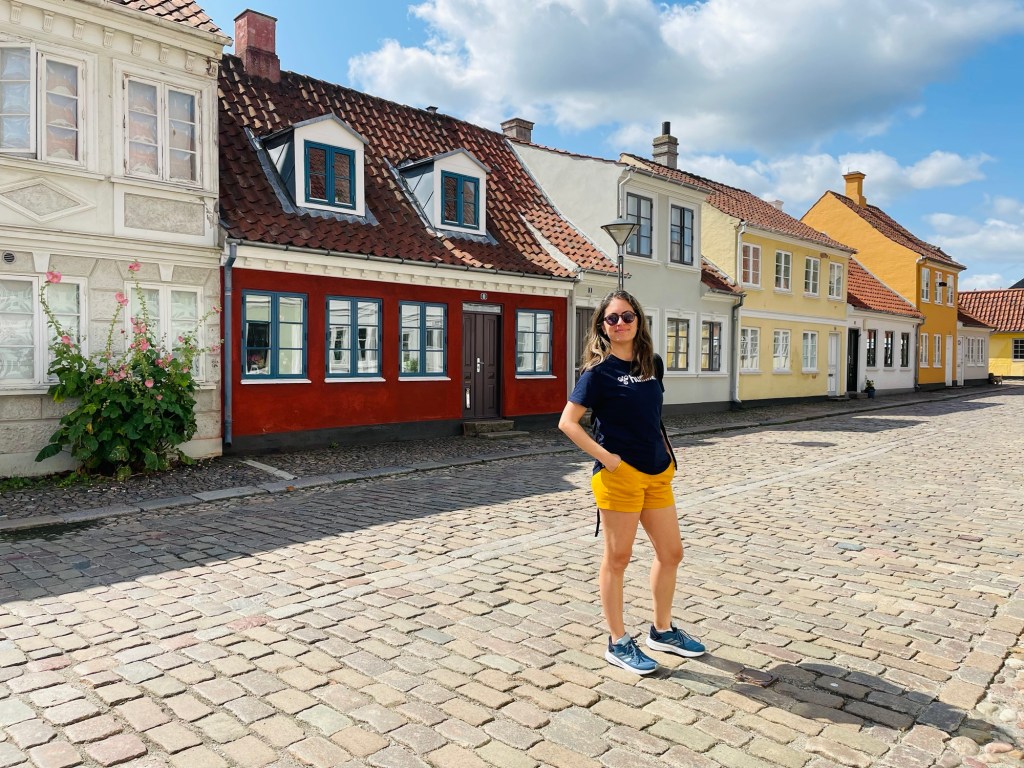

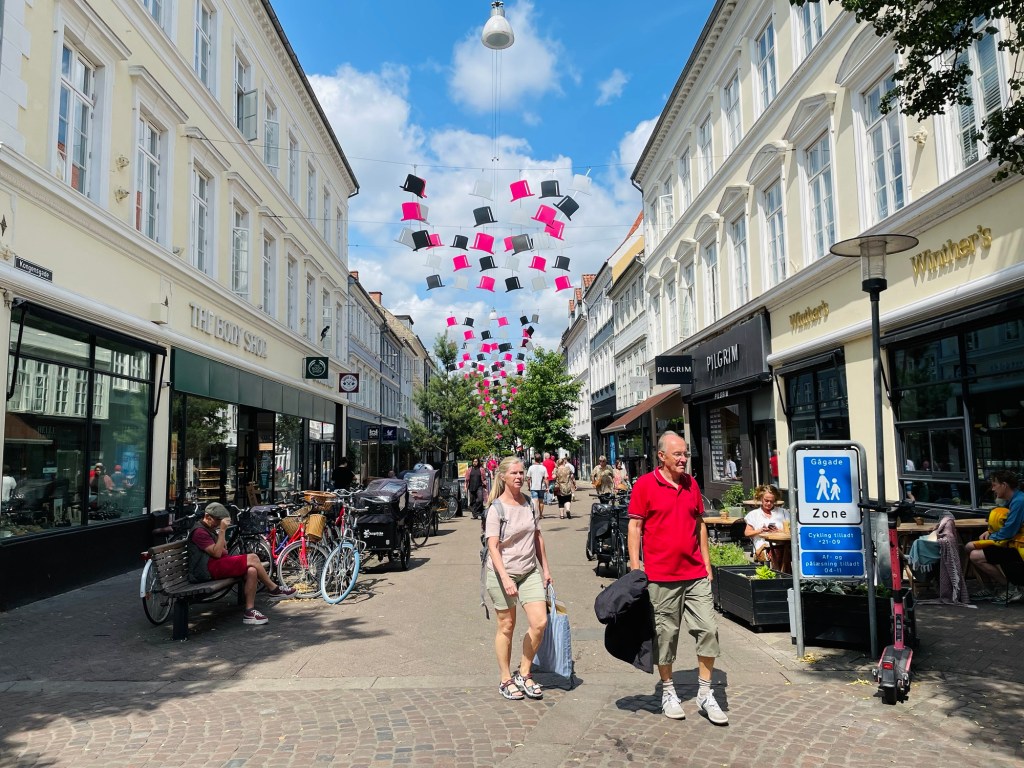
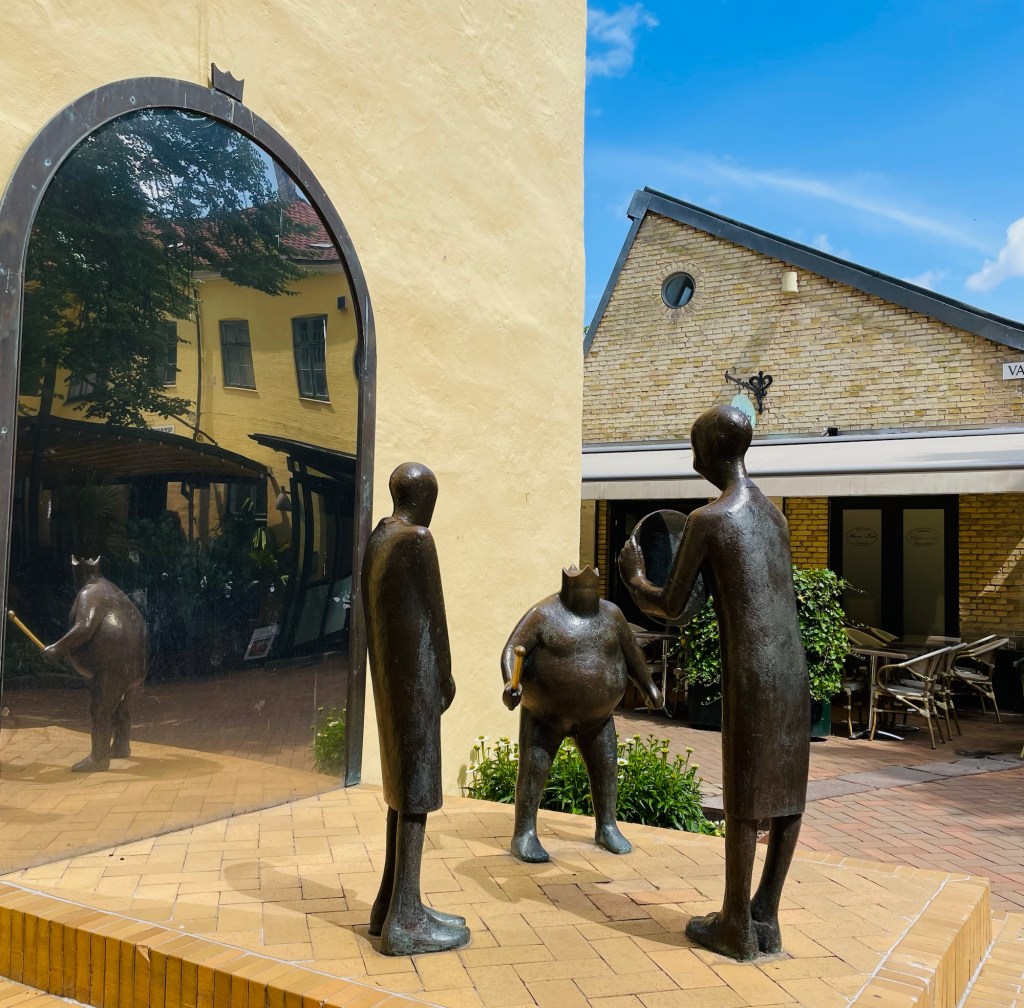
The centre of Odense is not very big, but there are sculptures depicting Andersen fairy tales on every corner. It makes you happy when you remember the names of these fairy tales. The full list of sculptures is at this link. Another interesting information about the city is that Turkish immigrants are in the first place in Odense, there has been an intense labour migration here as in Germany. The centre of Odense is cute but it is actually an industrial city.

When I returned to the camp at noon, I tried to swim in the sea. Unfortunately, the sea, which looked clean and sandy at the bottom, was very cold. According to the estimates of the Danish aunts around, it was 18-19 degrees. When they saw that I was having difficulty, they came to me and told me how to acclimatise myself to cold water, their methods worked quite well 🙂

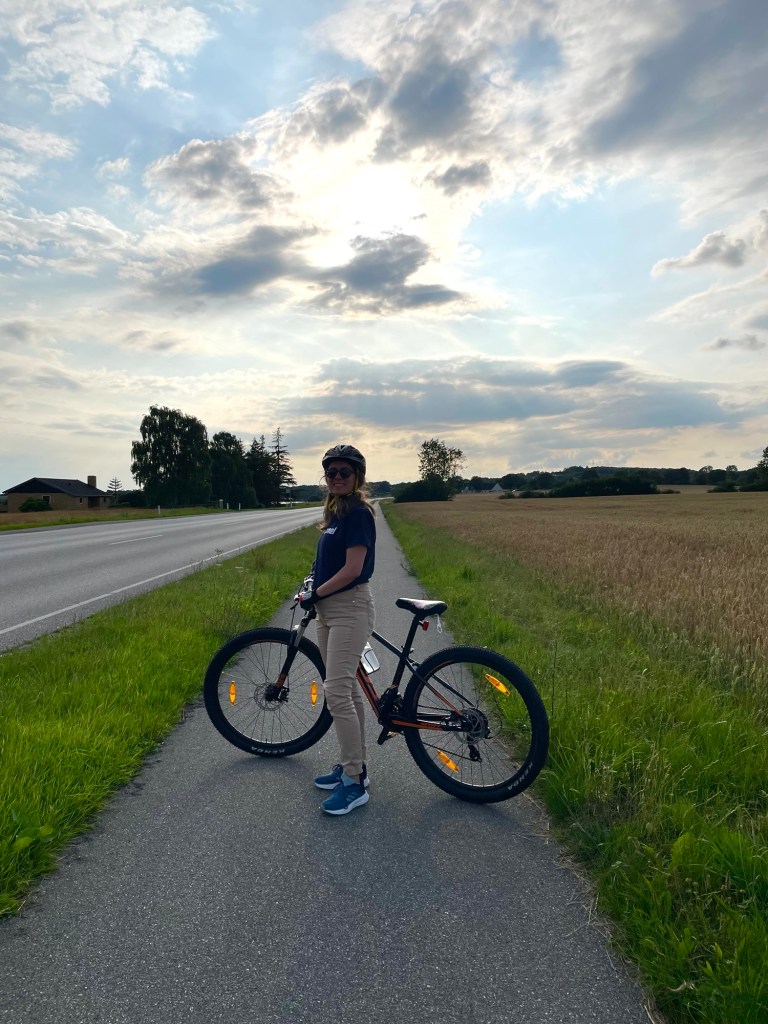
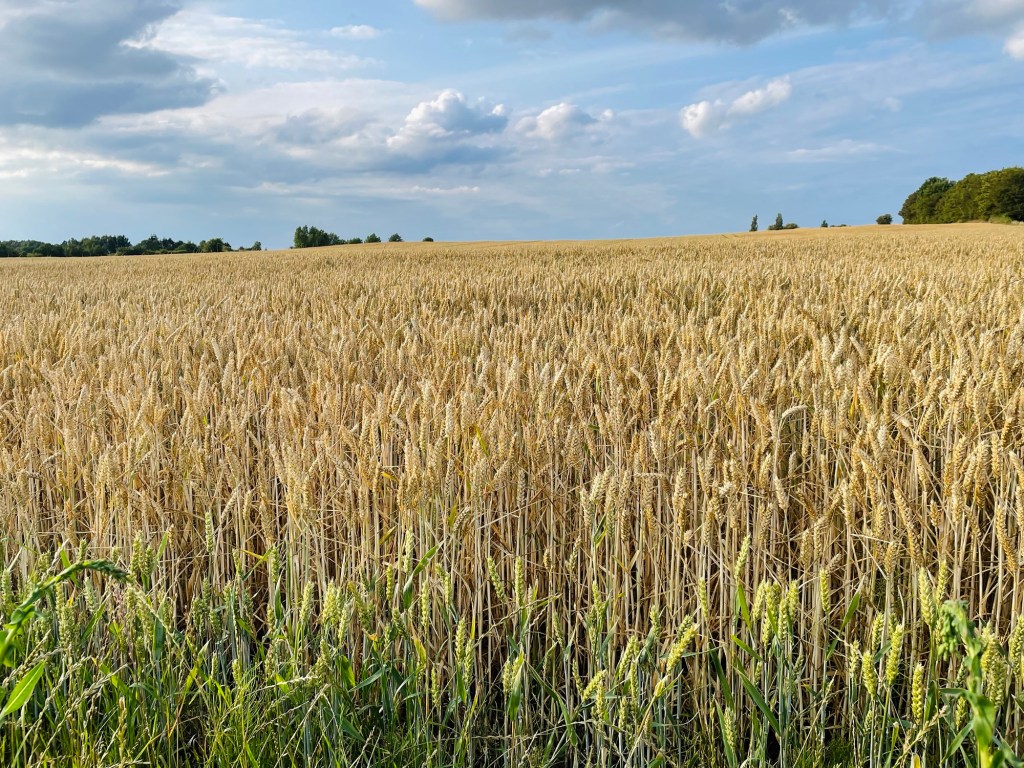
In the evening we started pedalling towards Bregnør, an hour’s cycle ride away, to watch the sunset. The cycle path was completely free of traffic. The wheat fields on the side of the road made us feel good.
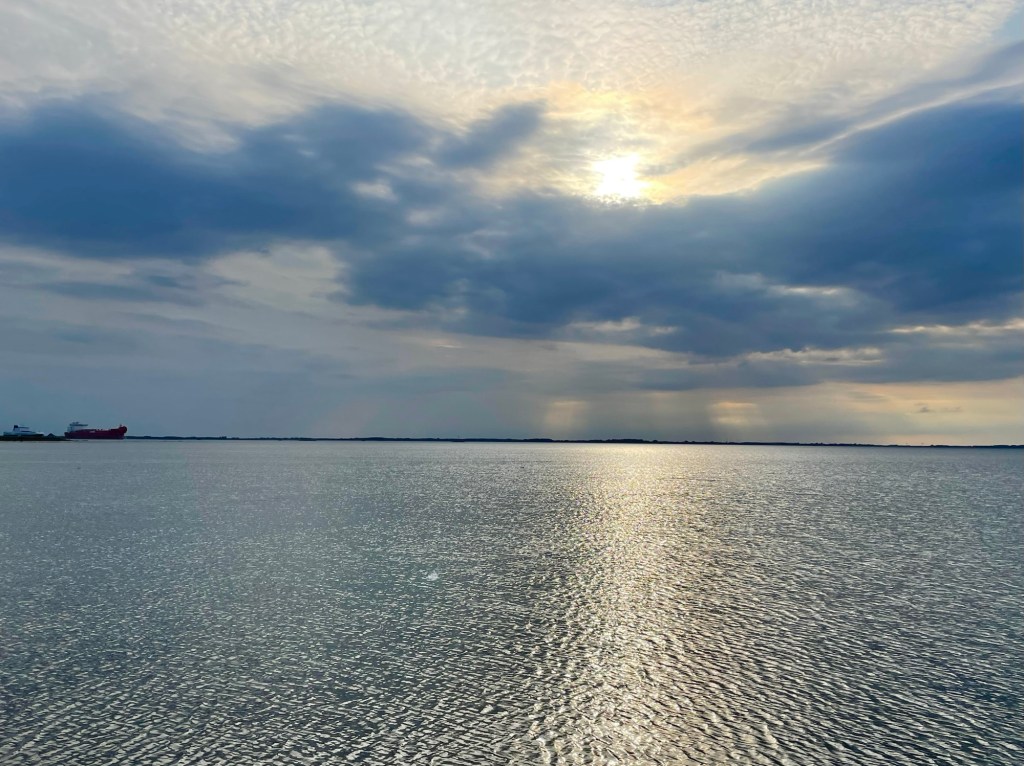
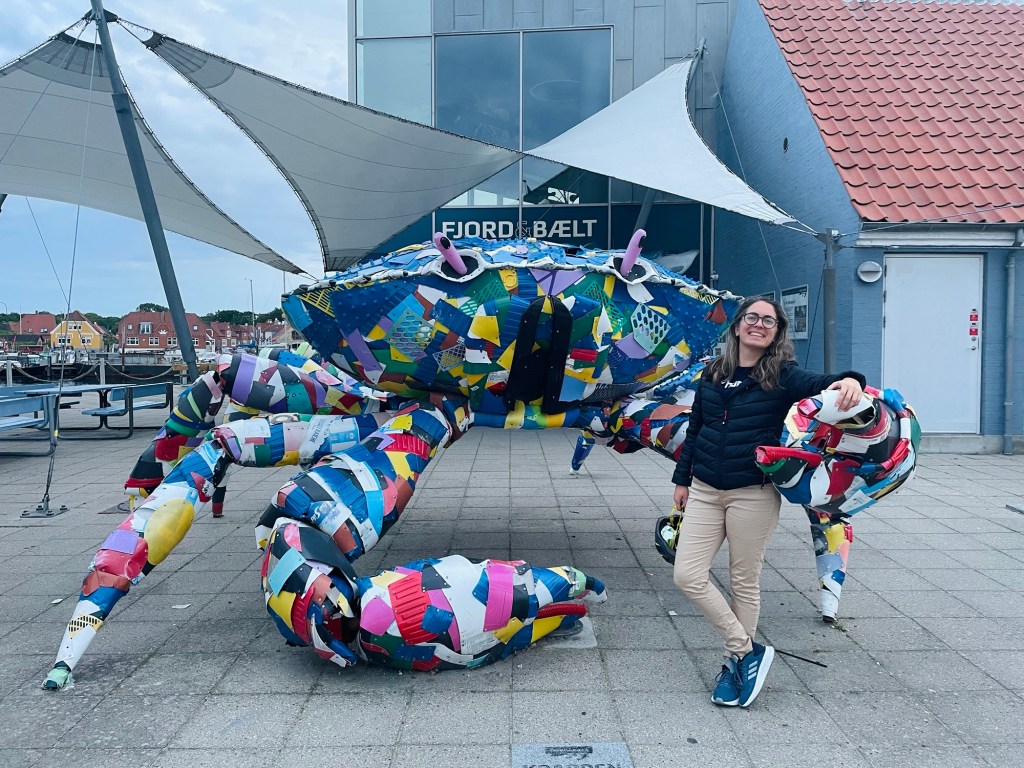
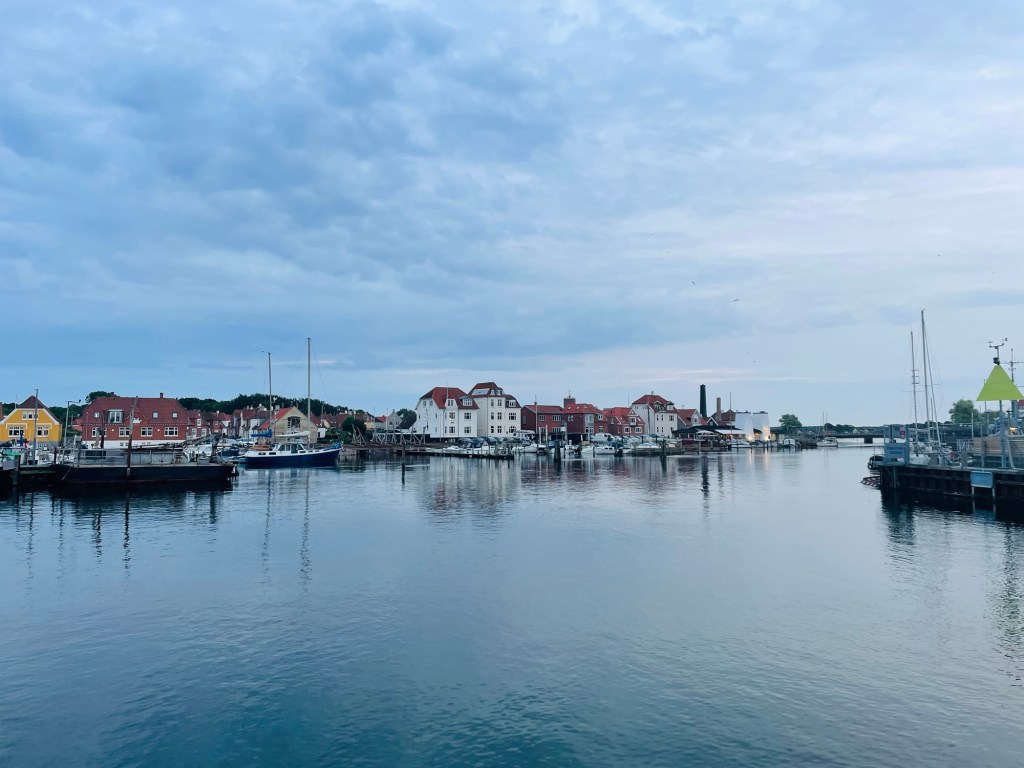
On the way back we passed through the centre of Kerteminde. We stopped at Fjord&Bælt, a science centre and museum for research in the fjords and the sea.
10.DAY Kiel and River Elbe
After a night of rain and storm, we got up early in the morning, packed up the tent, had a good breakfast, said goodbye to Kerteminde and started driving to Kiel. It takes 3 hours between Kerteminde and Kiel. On the way we saw caravan convoys again.
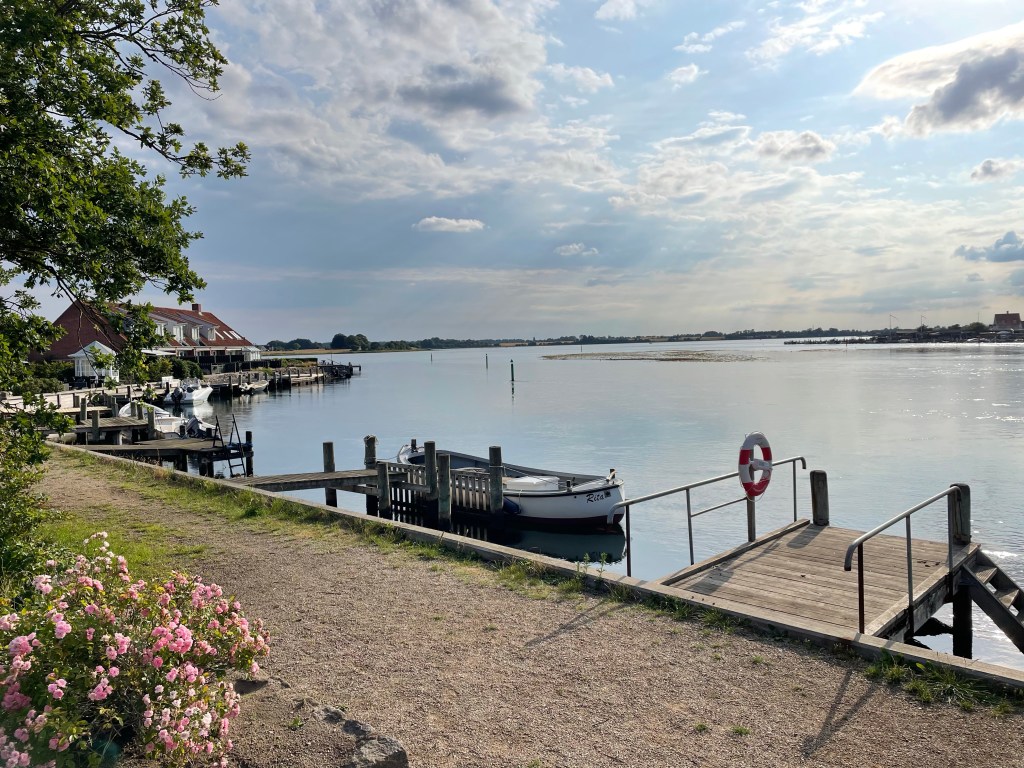
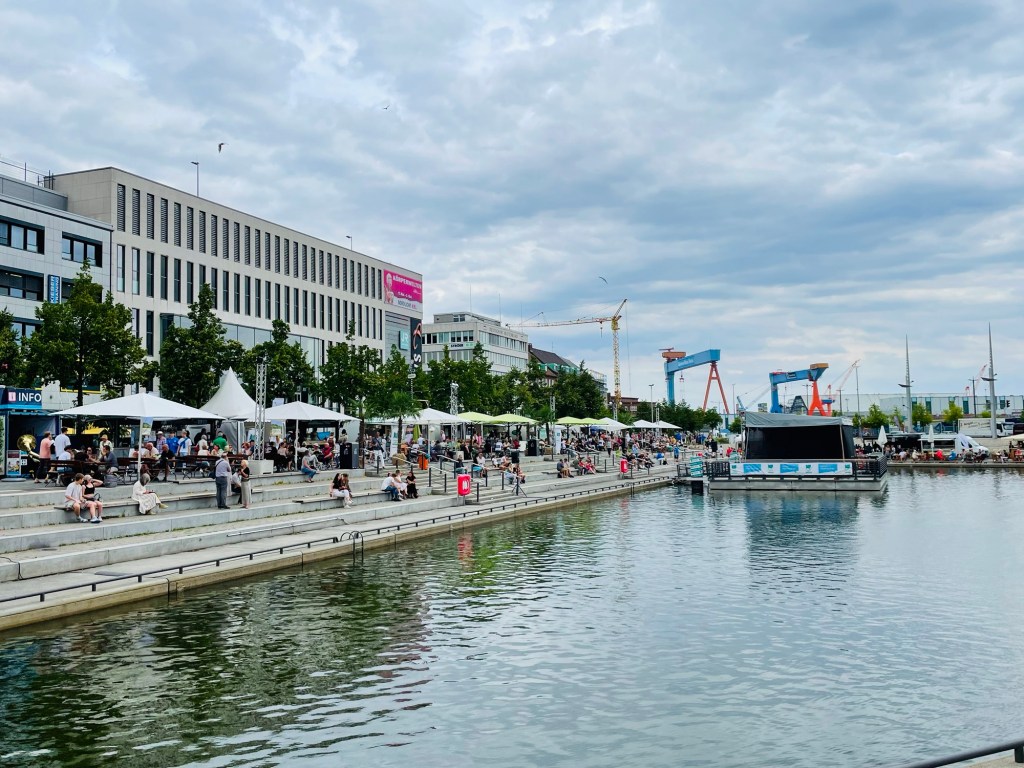
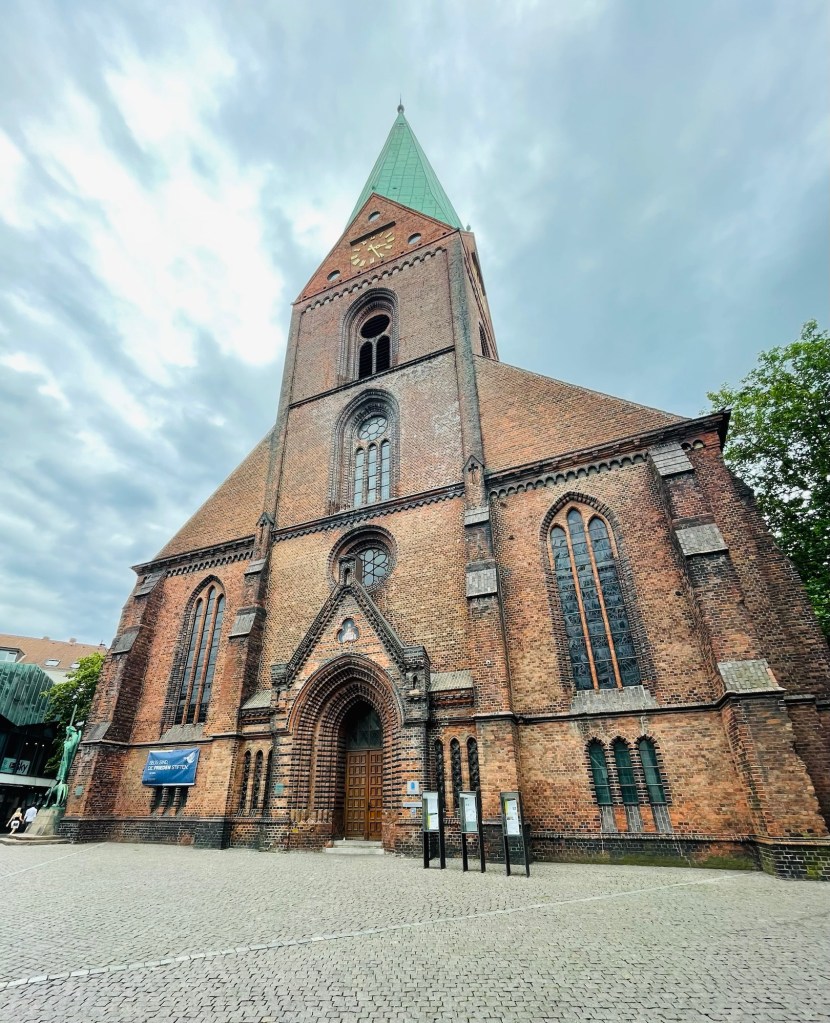
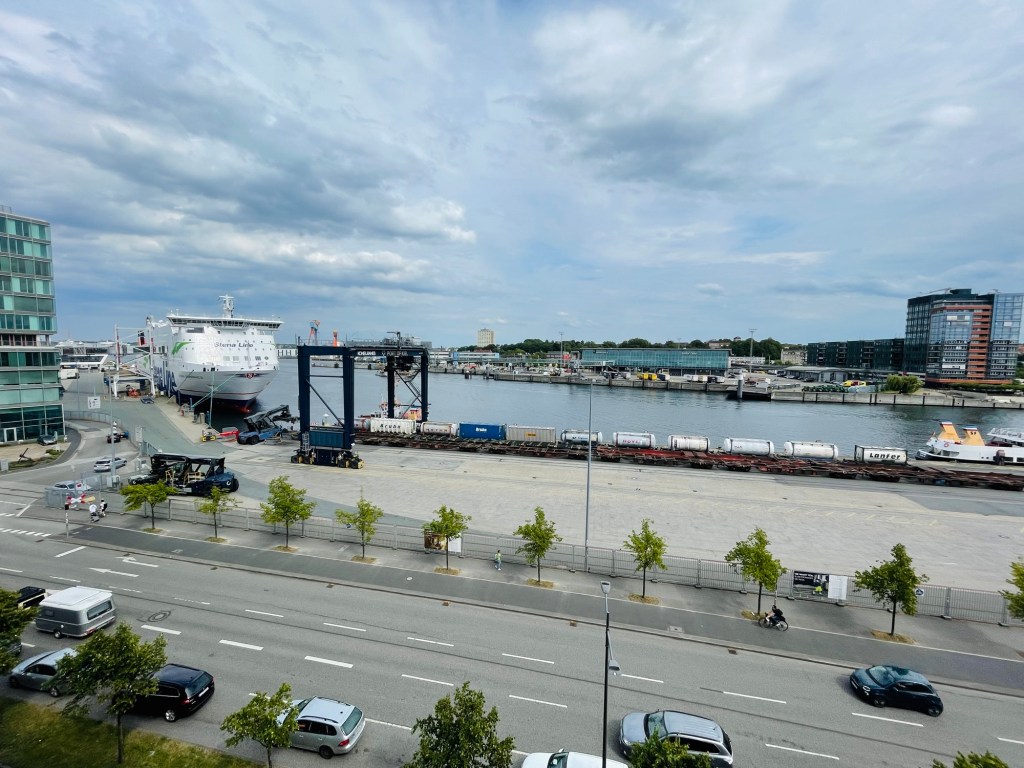
We stopped in Kiel for a coffee and a petrol stop, had a quick tour of the city centre, greeted the huge cruise ships and set off for the next campsite.
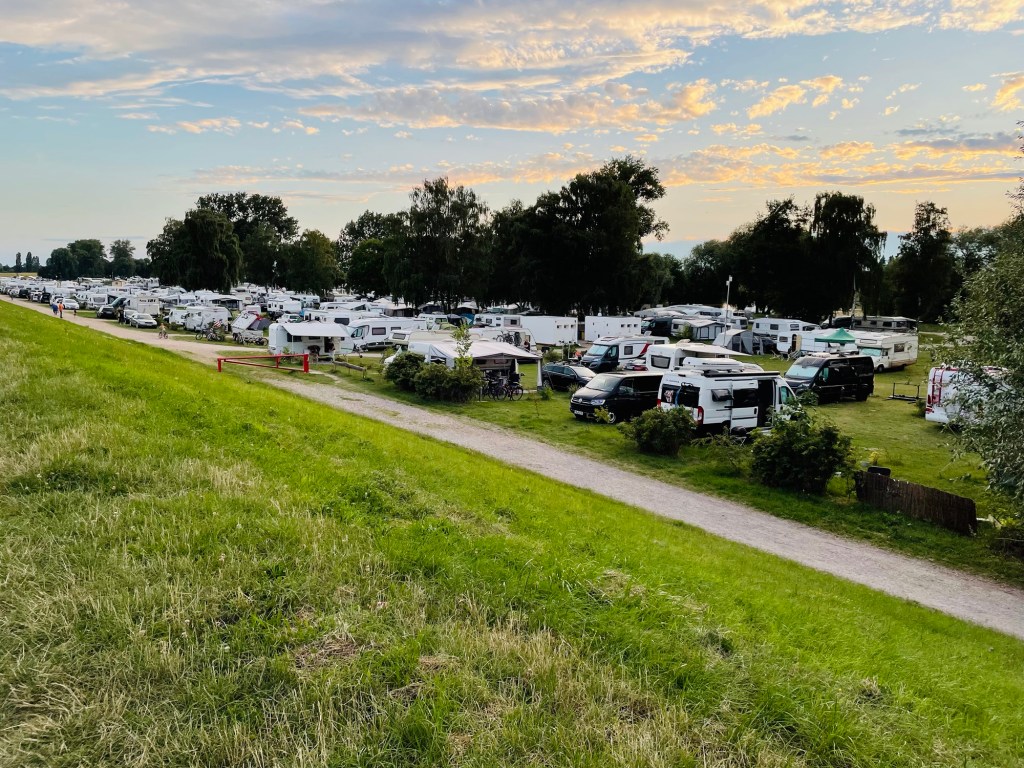
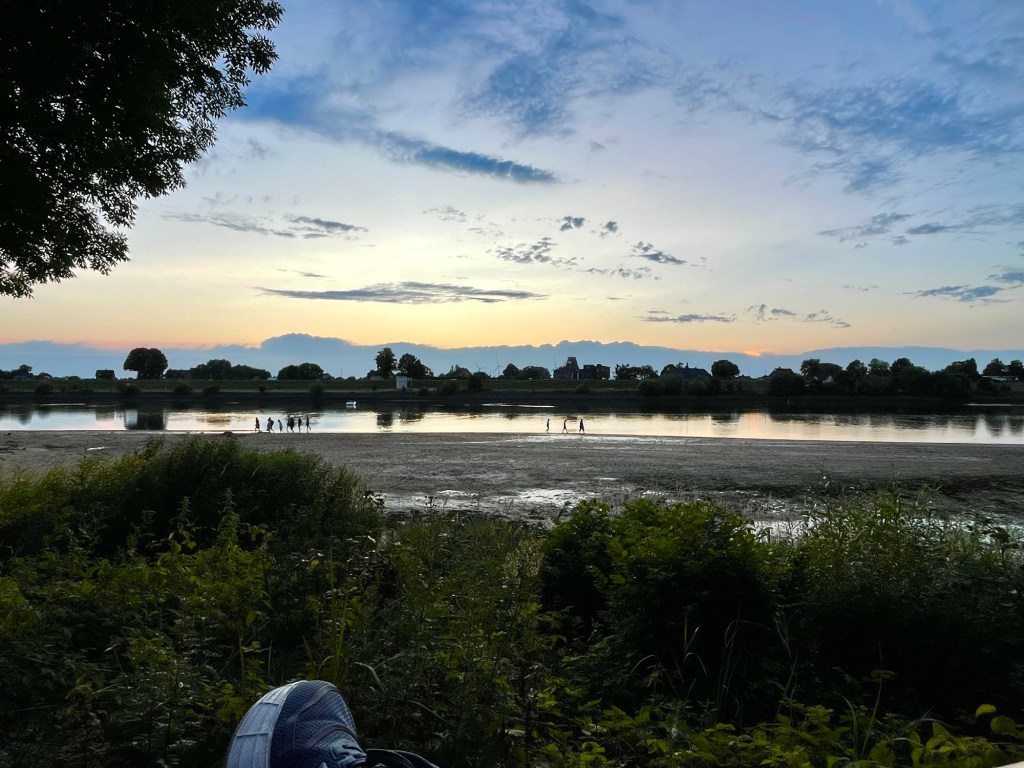
The last overnight stay of the trip was at Camping Land an der Elbe on the banks of the river Elbe. Although the tent pitch was surprisingly unorganised compared to other campsites, we found a spot under the pine trees and enjoyed the view. 27 EUR per night for a small tent.

11.DAY Hamburg and Back to Home
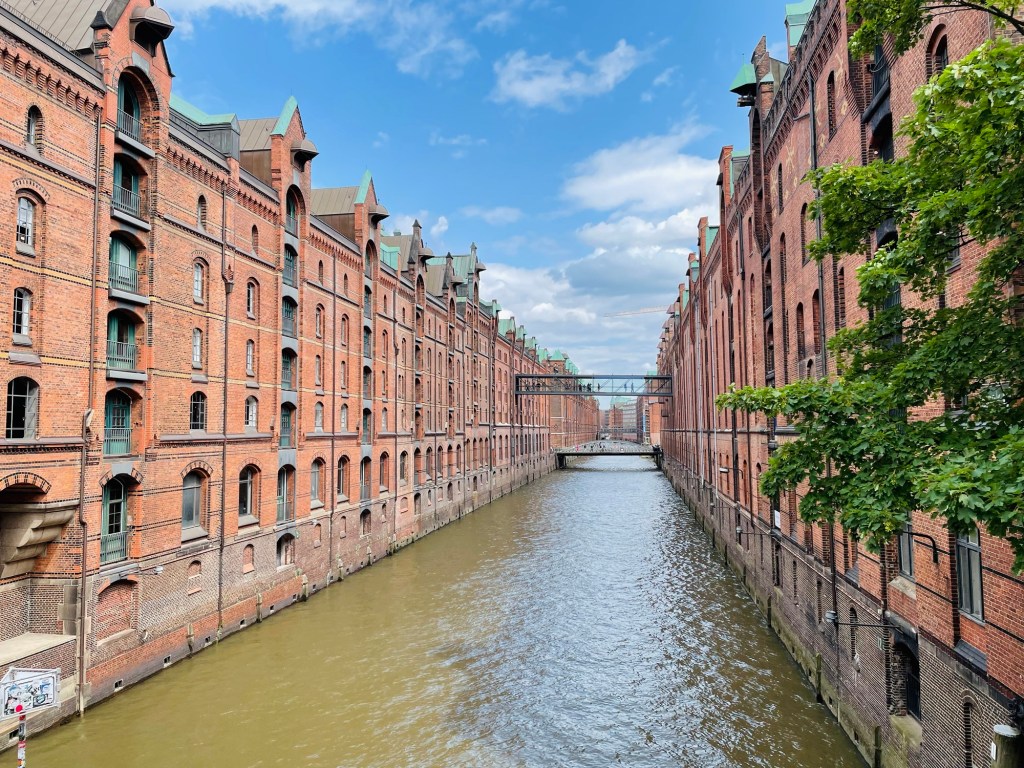
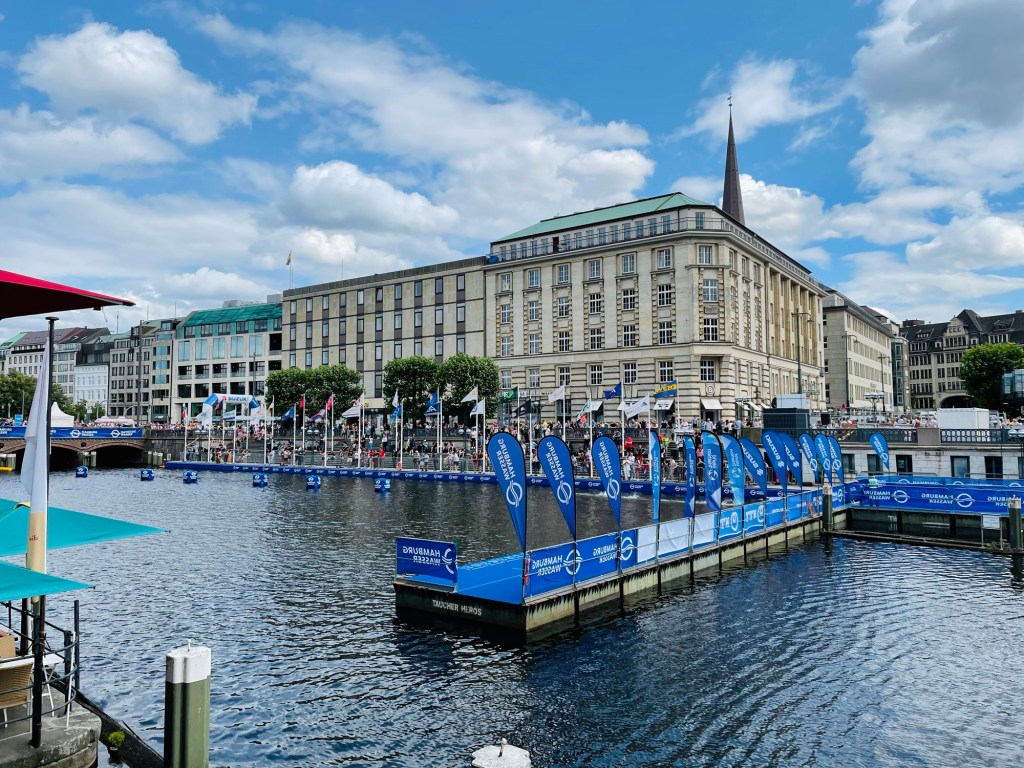
On our way back home, we stopped by Hamburg, one of the most popular locations in Germany, to see a friend of ours. It will take at least 2 days to fully visit Hamburg, where both modern and historical architecture are together. You also spend a lot of time taking photos 🙂 The building of the Elbe Philharmonic Orchestra was really impressive. I would like to listen to a concert here next time.


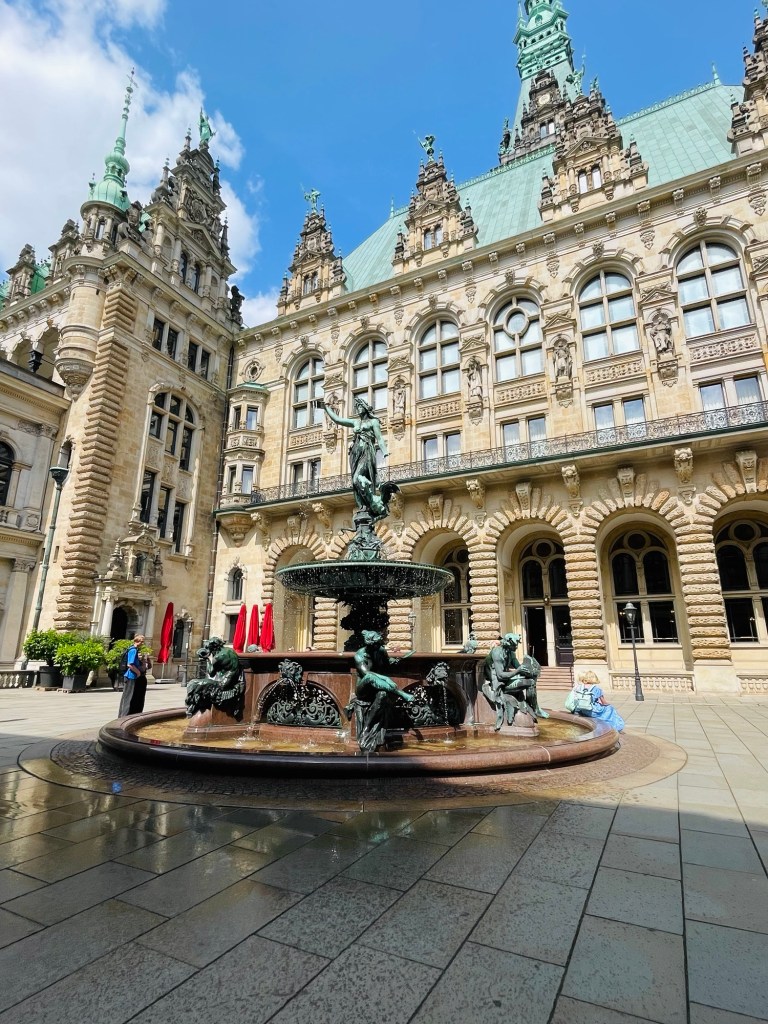

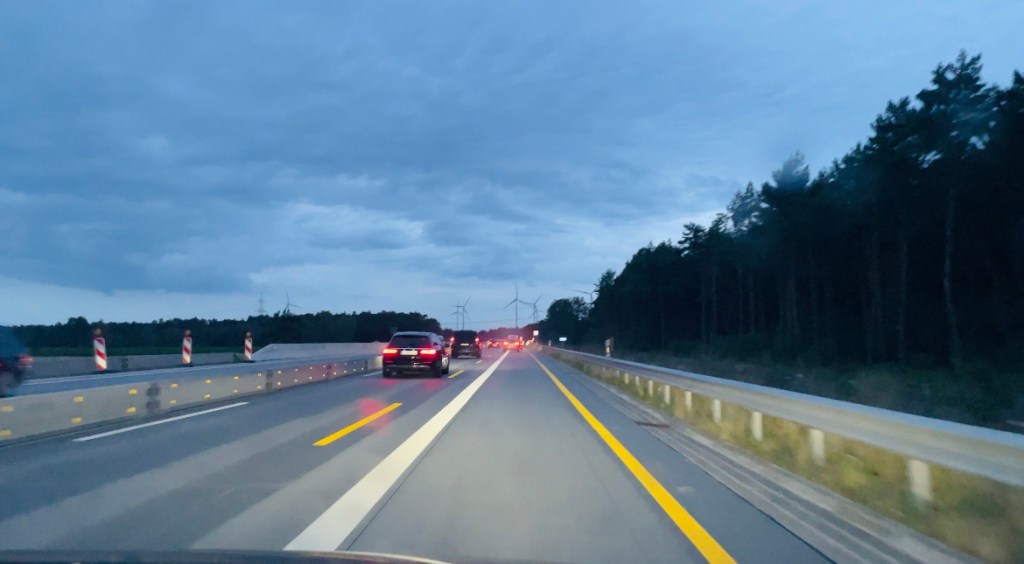
We get in the car with happy memories for our last 4 hours of travelling. I hope you also enjoyed this article. I have marked the whole trip on Google Maps, you can use this link.
Stay curious until the next post,
For more content, visit my Facebook, Instagram and YouTube accounts!
If you liked this post, you can buy me a coffee!
€3.00
 One Day Wonder
“Road Trip to North Germany, Sweden and Denmark” üzerine 2 yorum